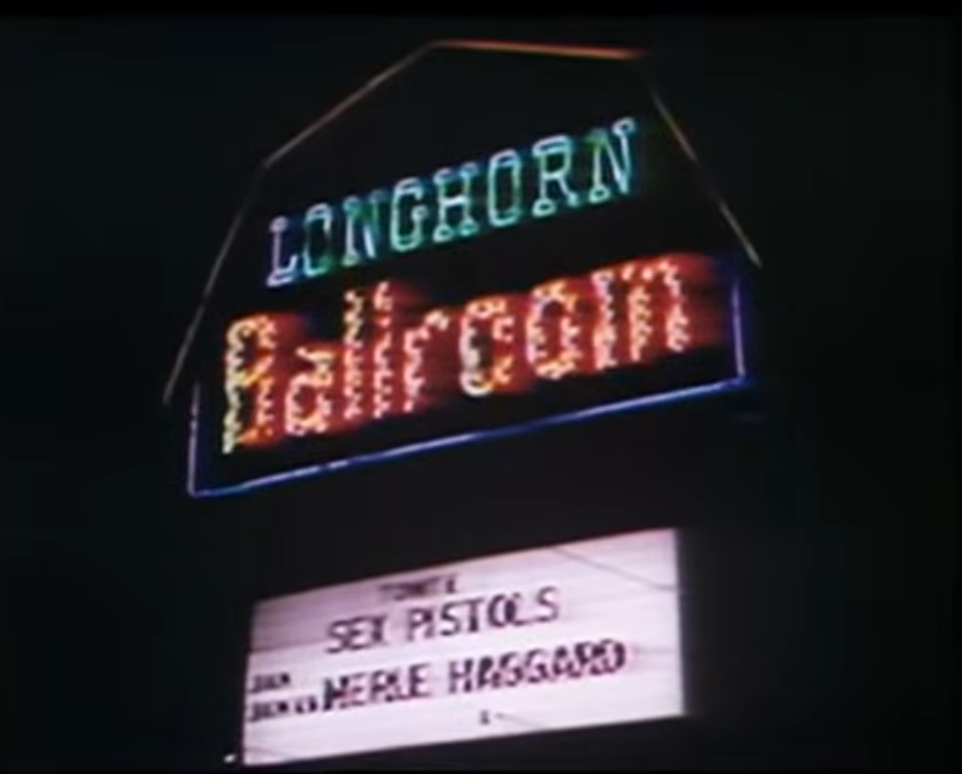
Great Rock ‘n Roll Swindle, The (1980)
“With the lineup complete, we immediately set about putting our plan into effect, to swindle our way to the top of the rock n roll industry.”
“We got a real sweet project going — so let’s be straight.”
|
Synopsis: |
|
Genres, Themes, Actors, and Directors:
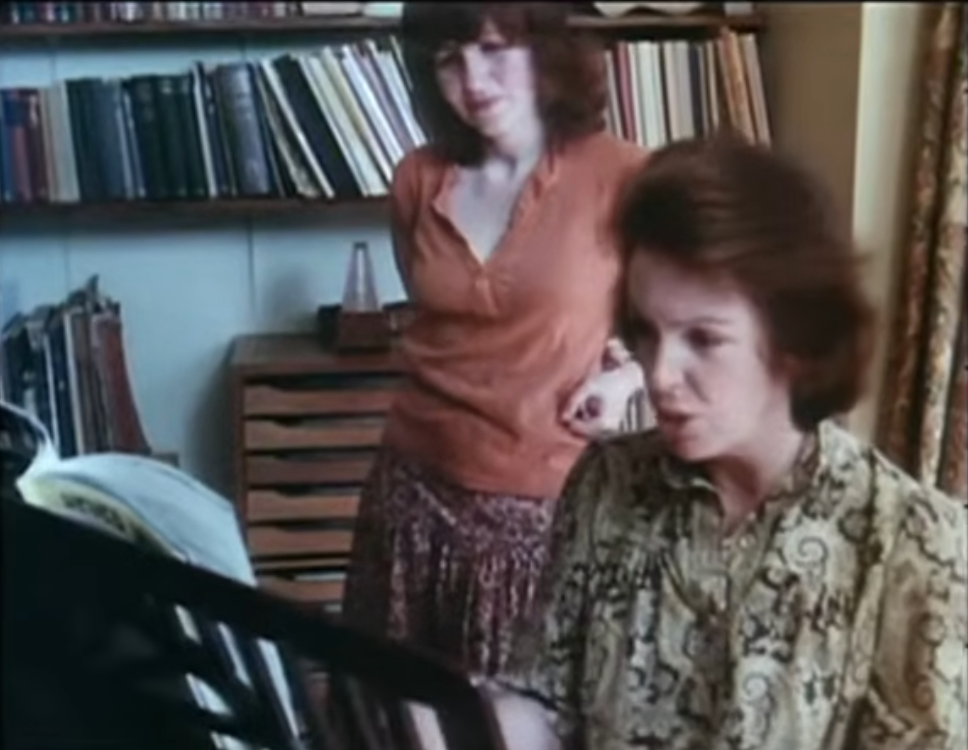
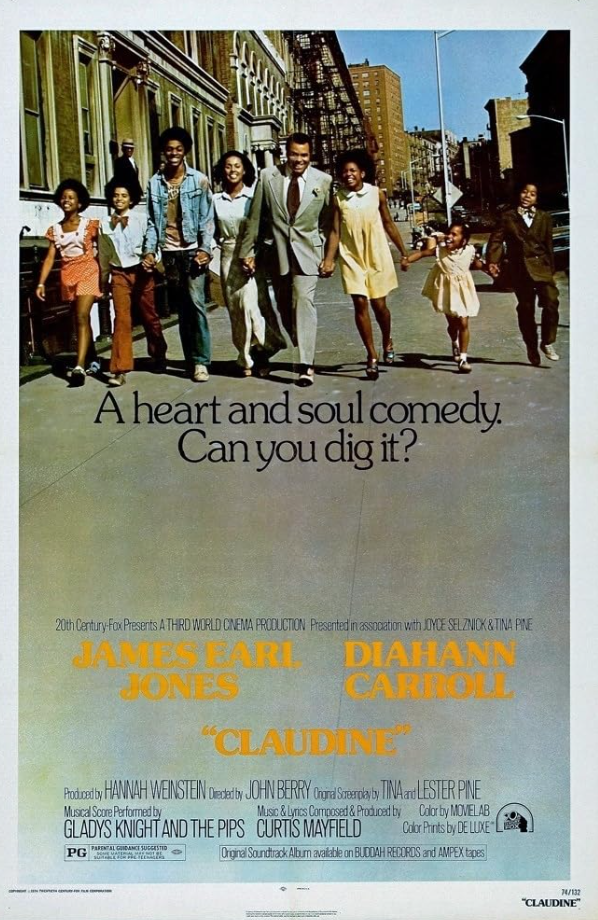
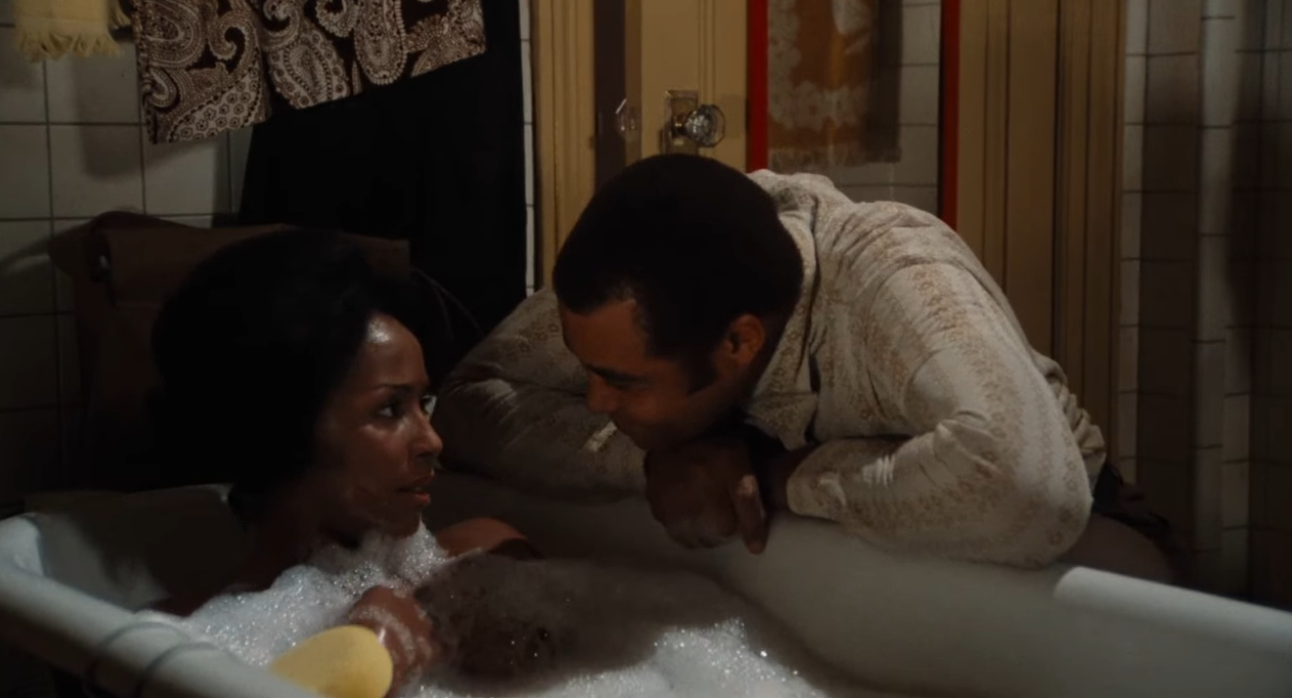
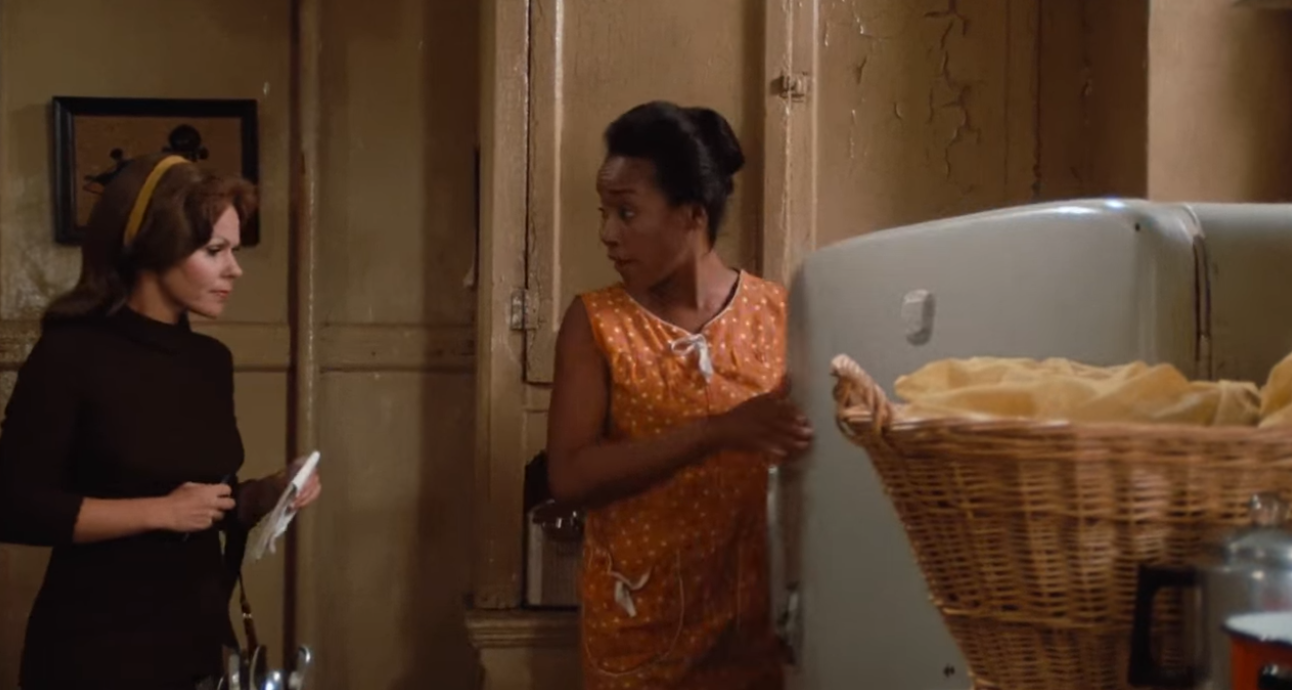
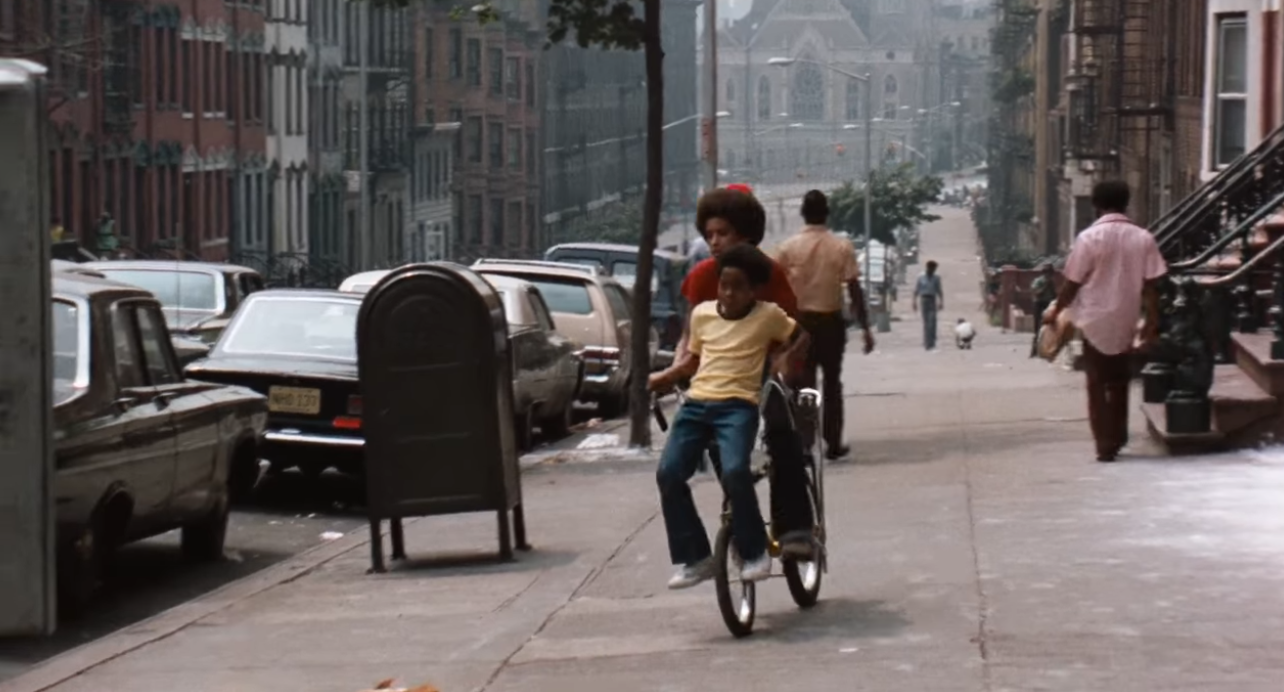
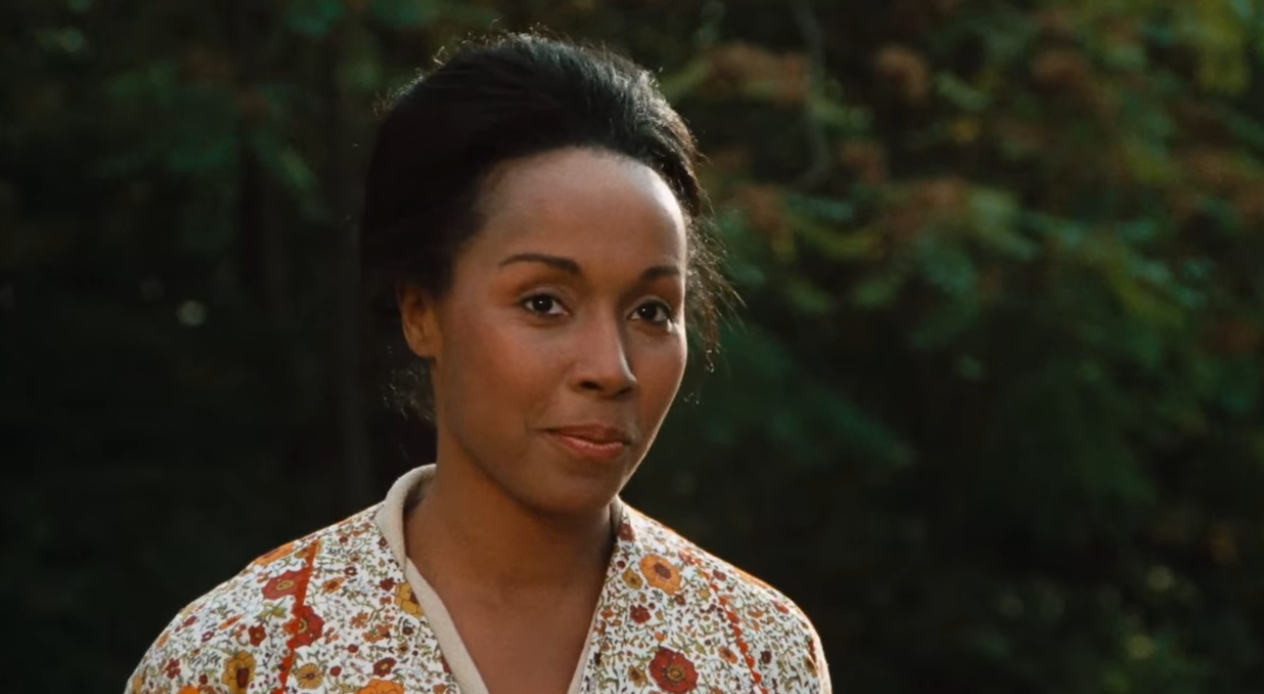
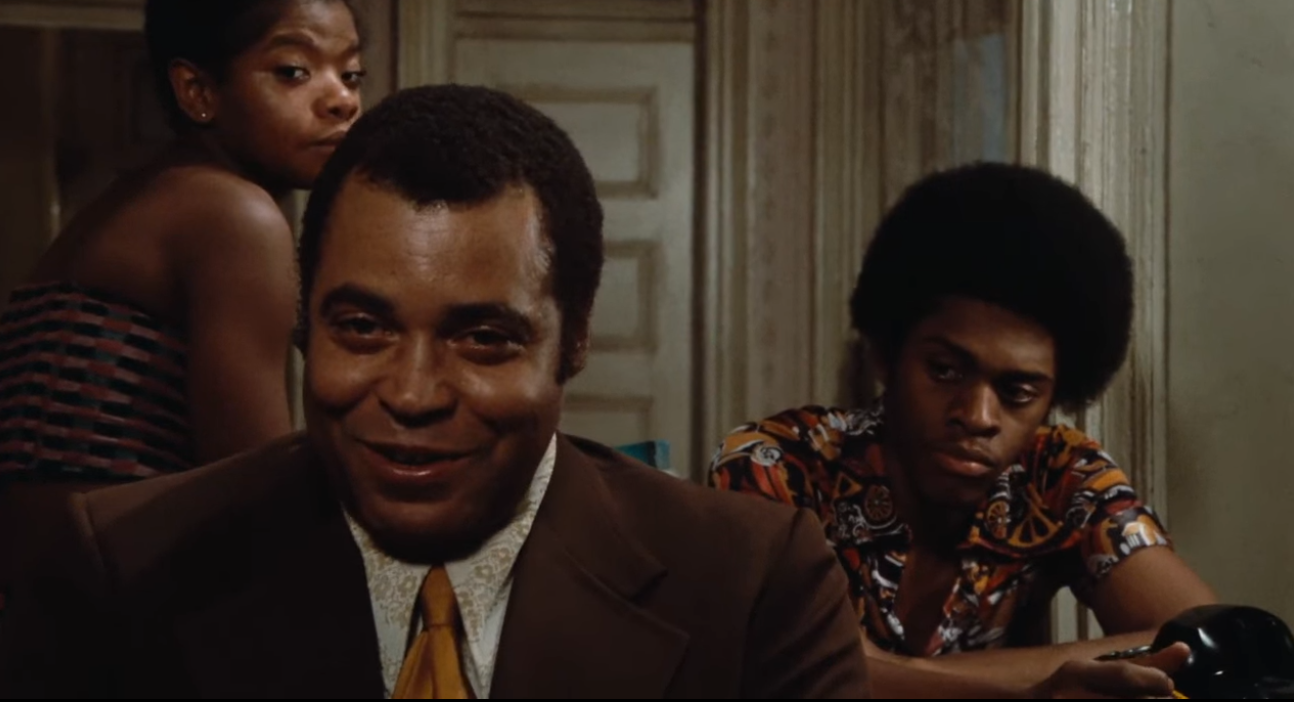
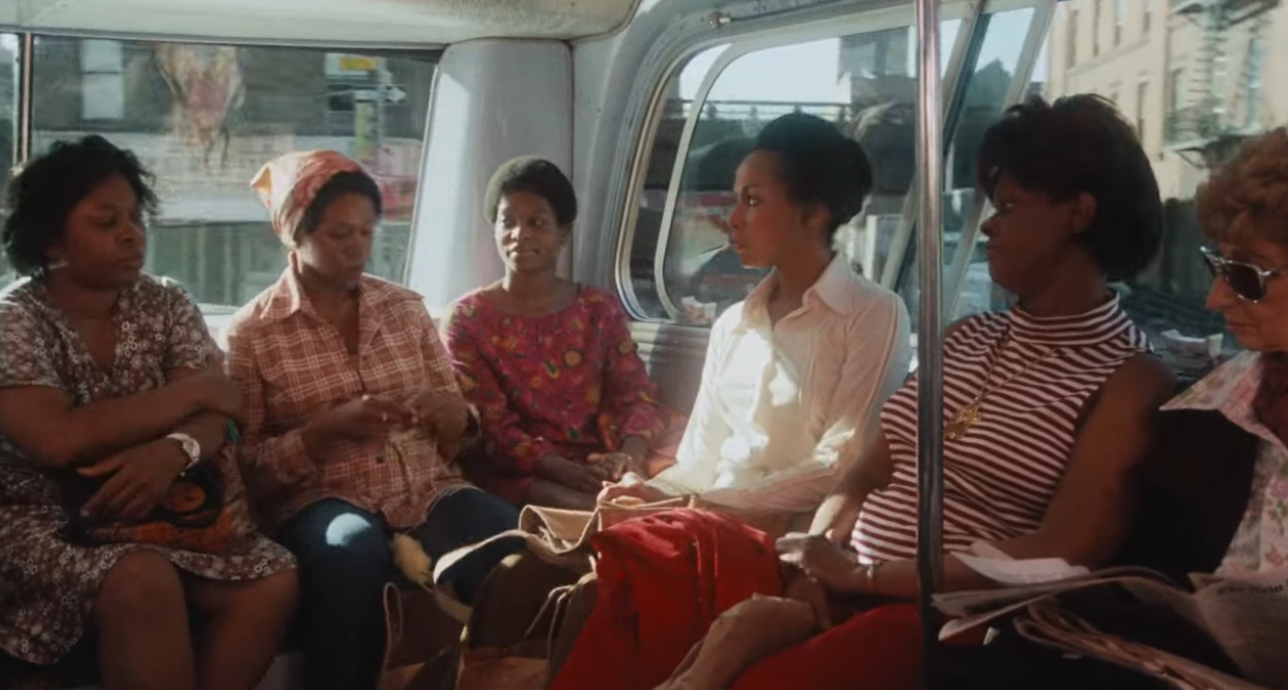
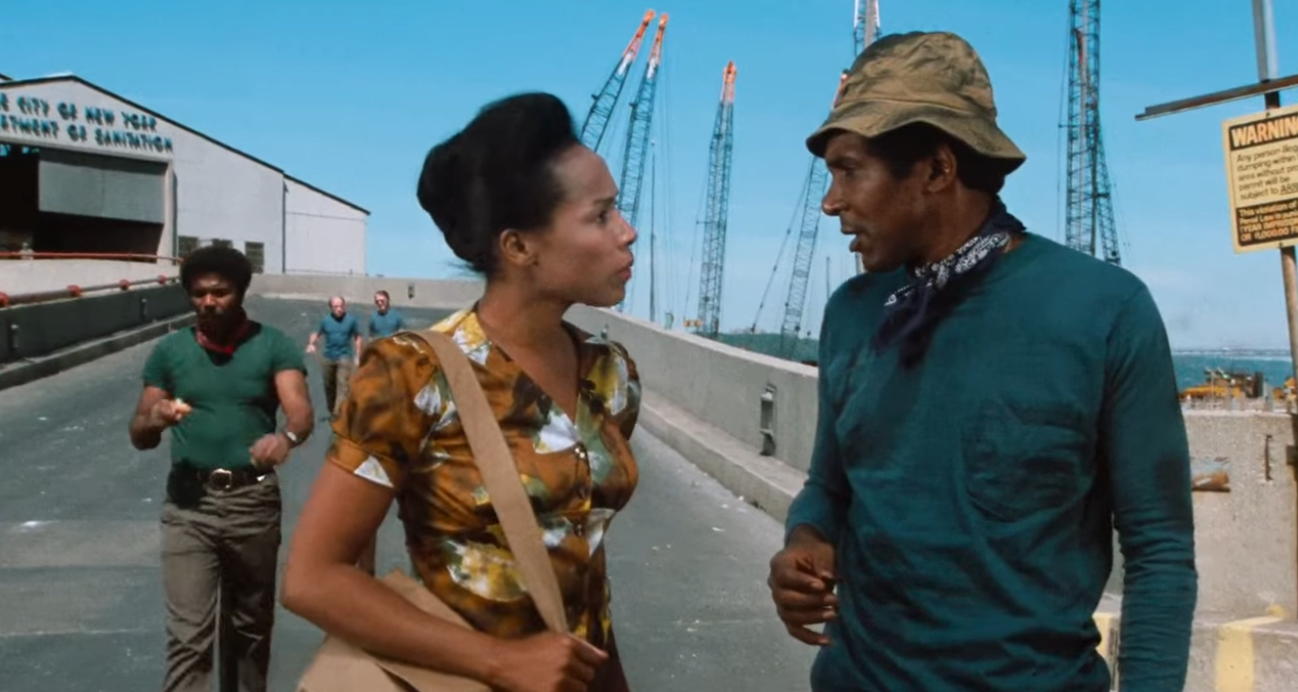
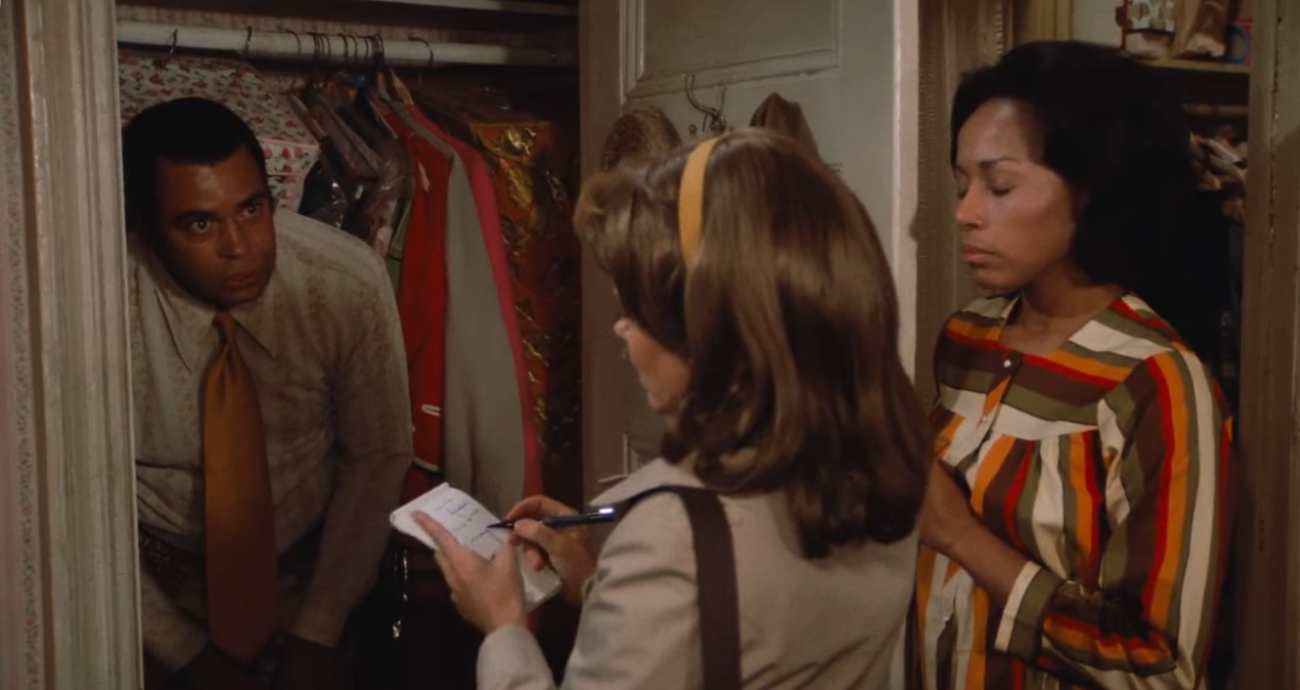
Review: … centered on navigating a truly dehumanizing “welfare” system which forces Carroll to make terrible but necessary decisions about her home life. The location shooting in Harlem is delightful, and surely adds to the nostalgia and appreciation many feel for this film. Notable Performances, Qualities, and Moments:
Must See? Categories
Links: |
“We don’t sell things – we sell dreams.”
|
Synopsis: |
|
Genres, Themes, Actors, and Directors:
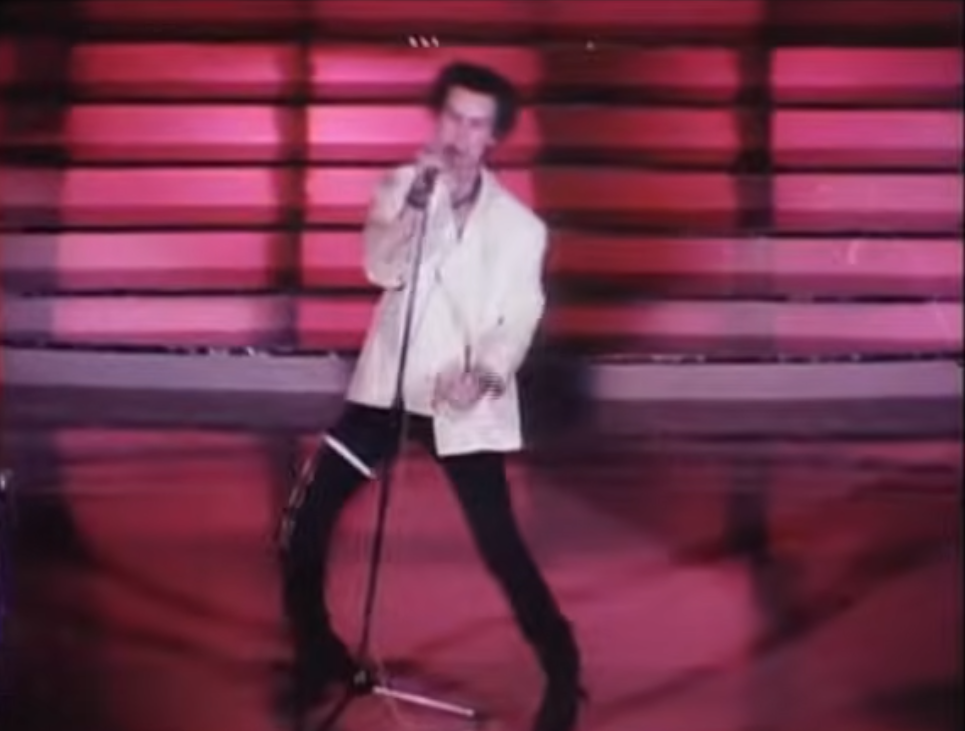
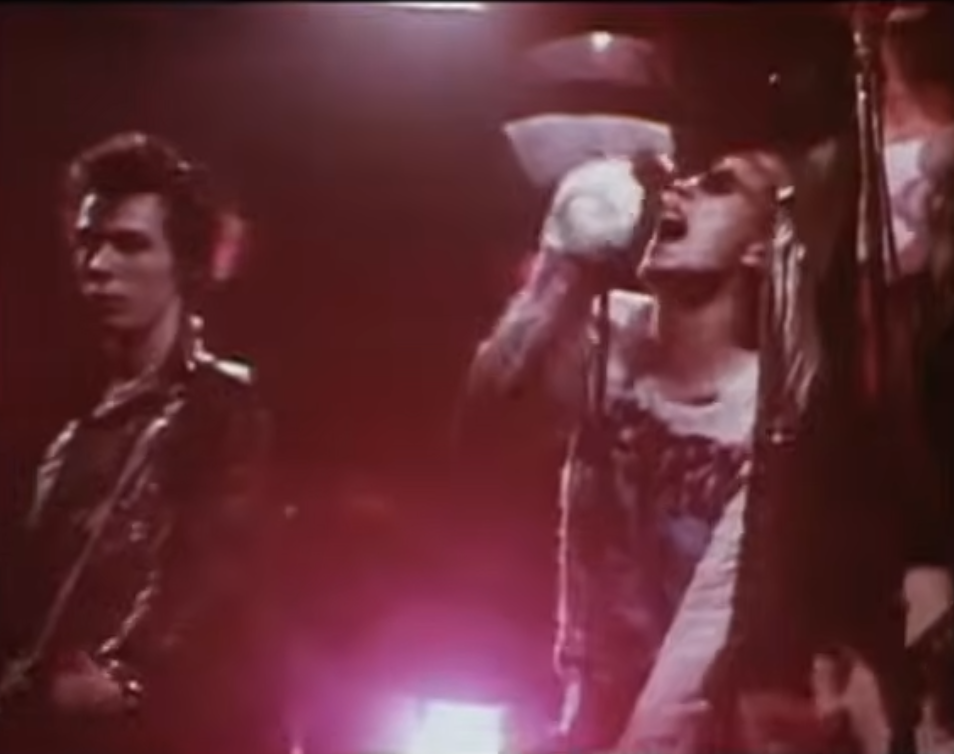
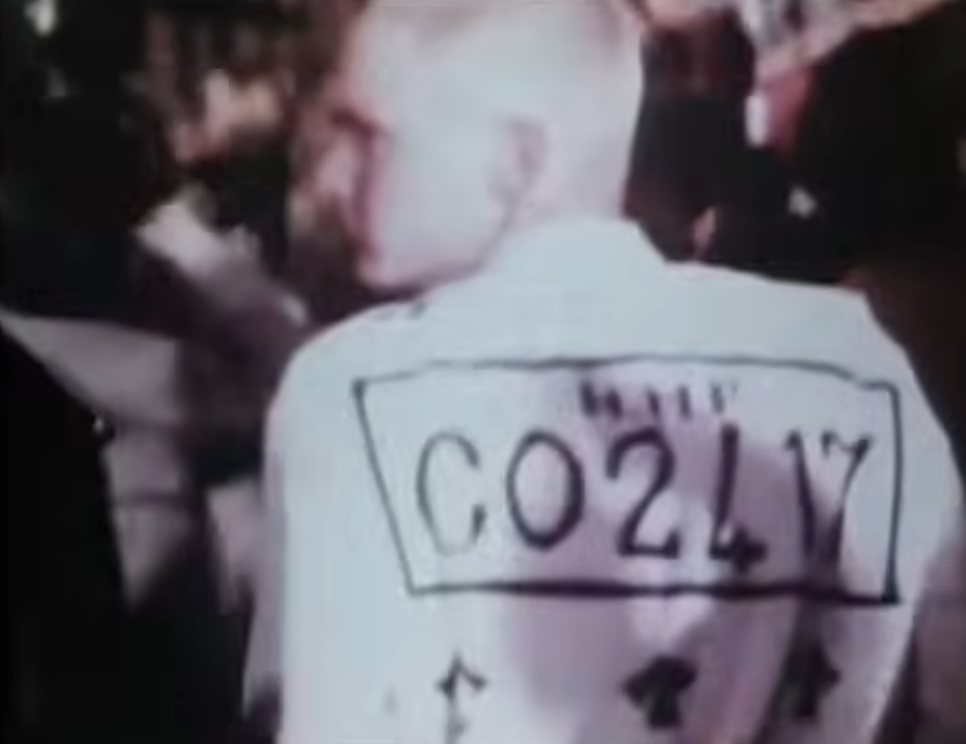
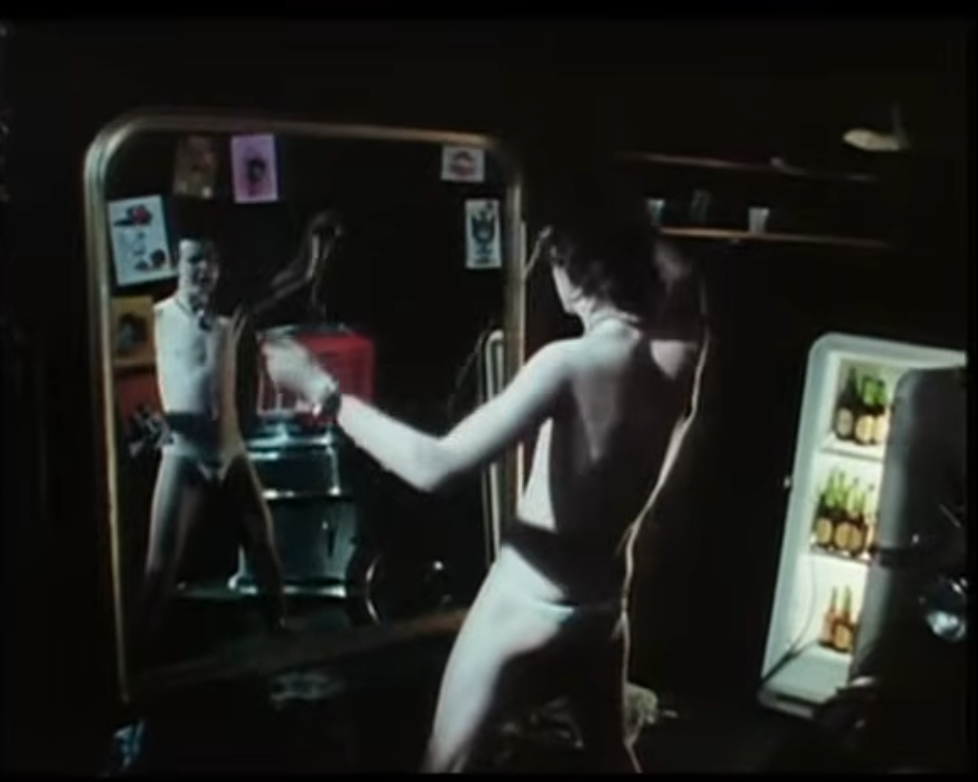
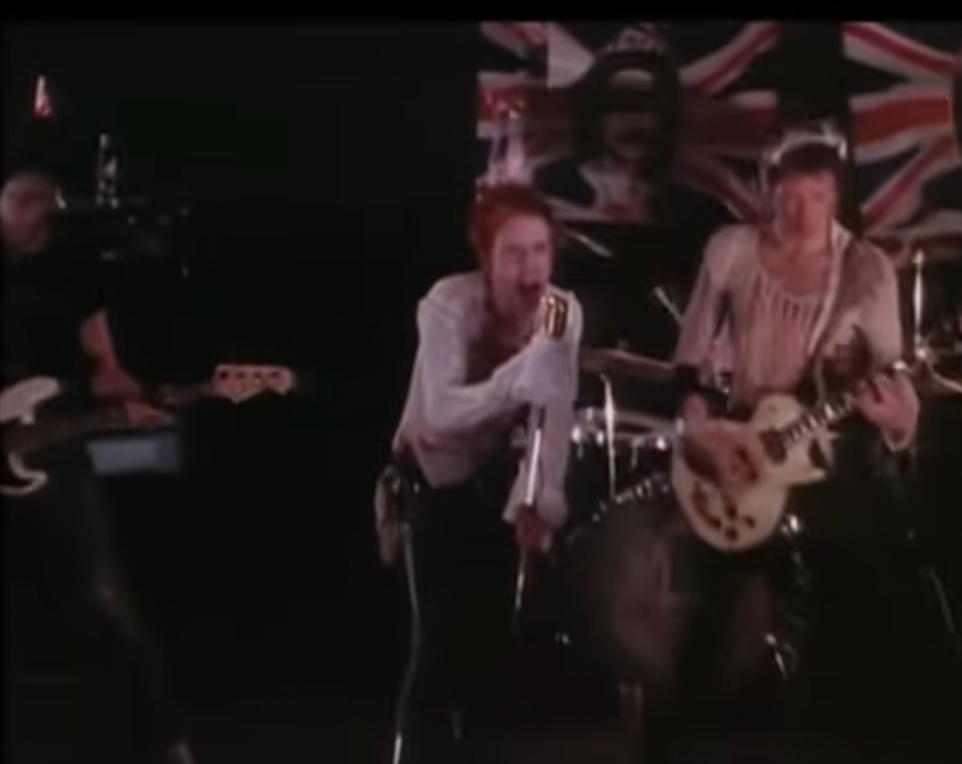
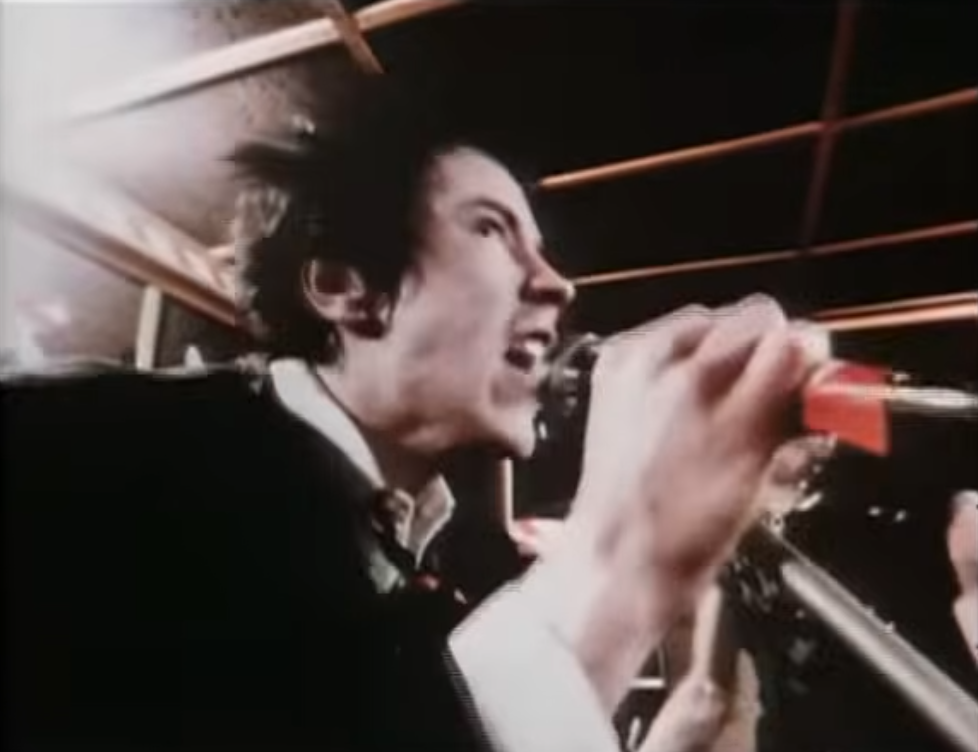
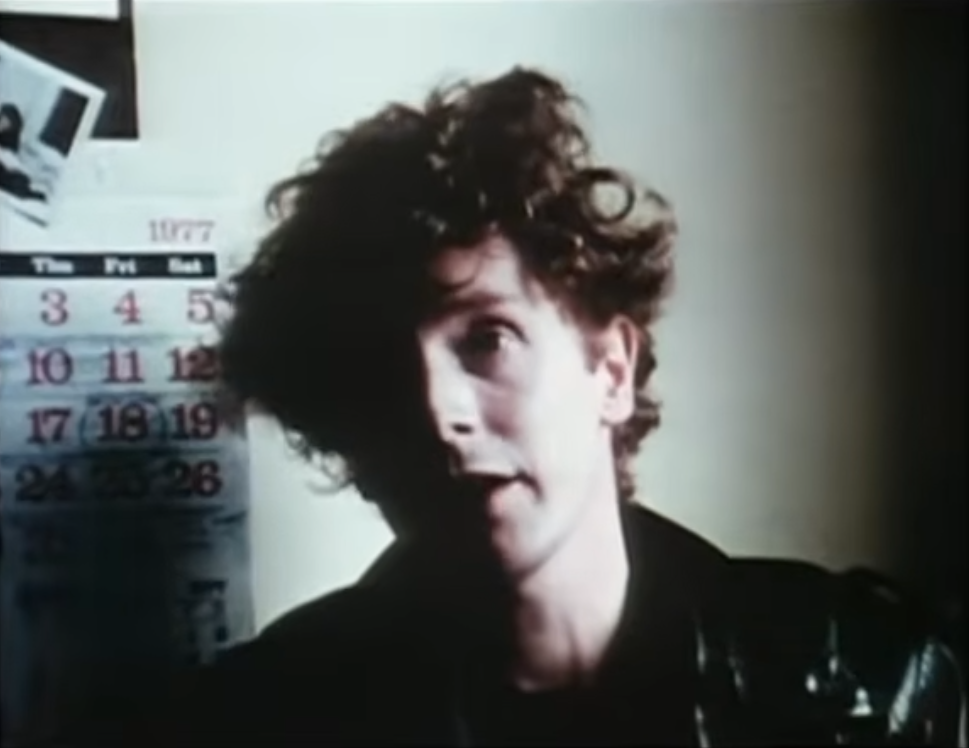
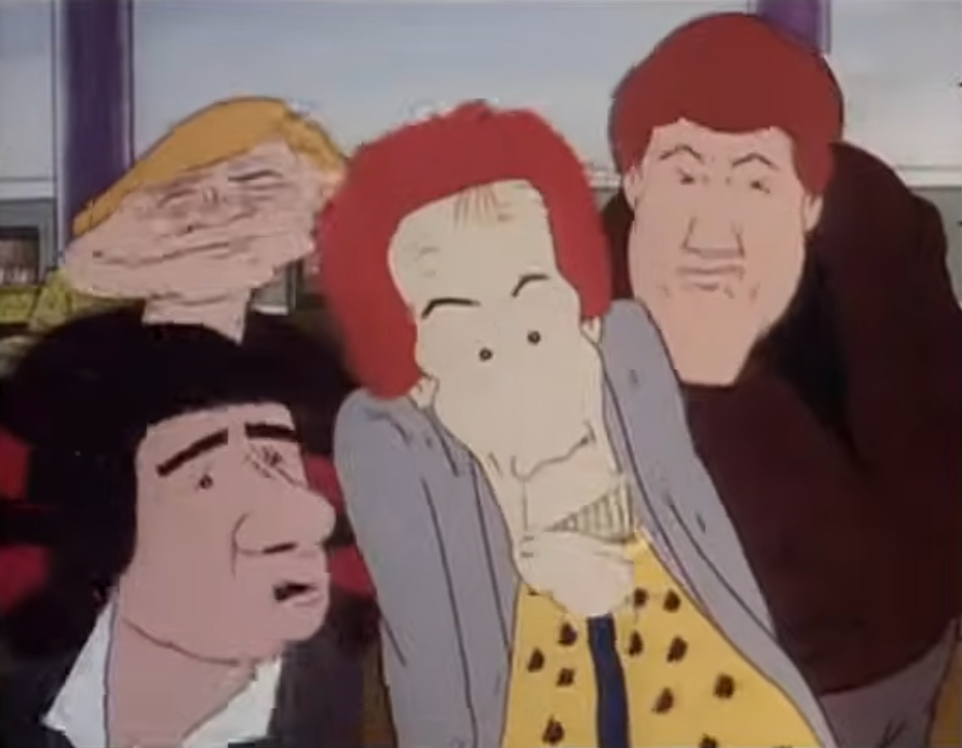
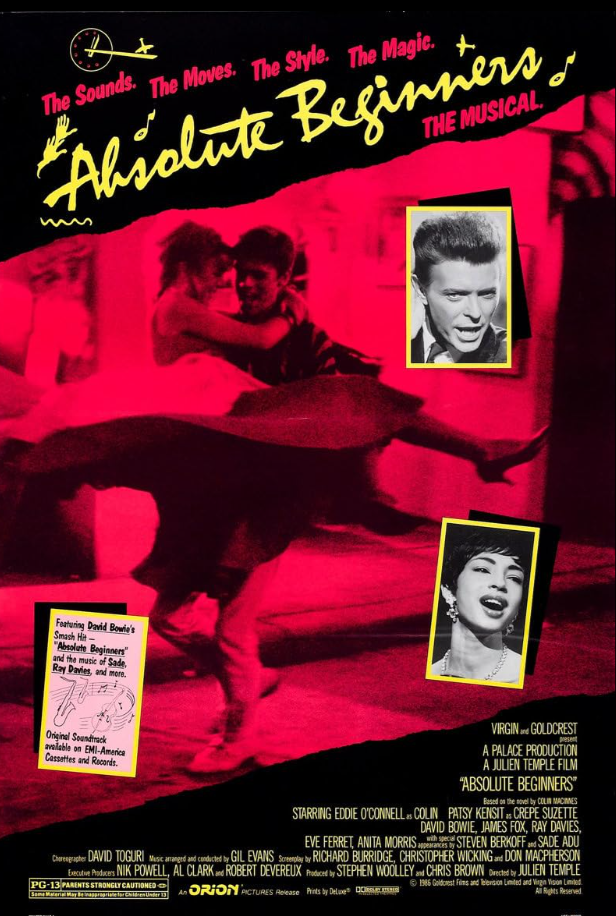
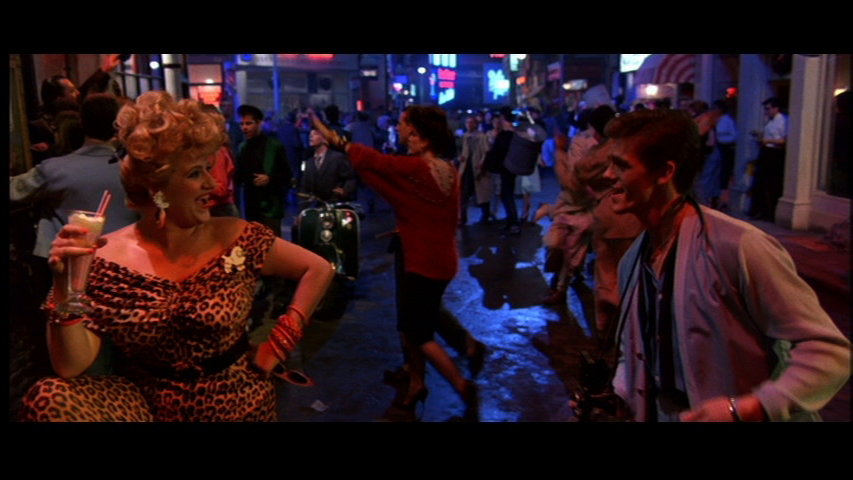
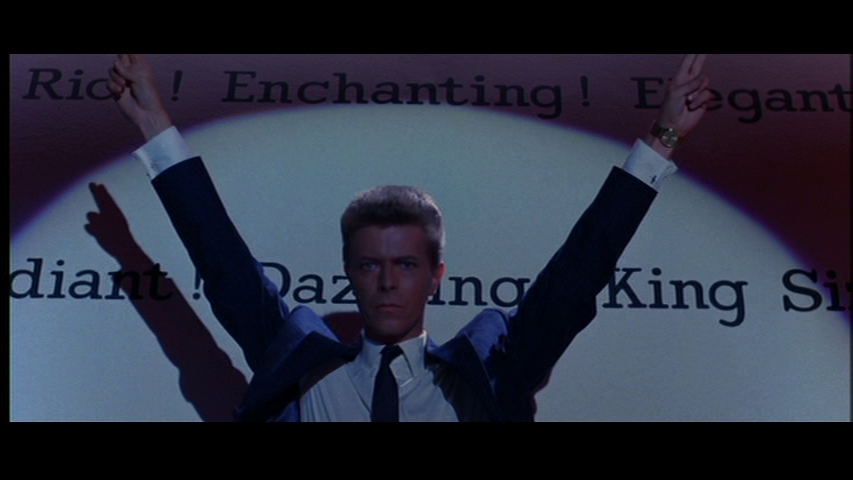
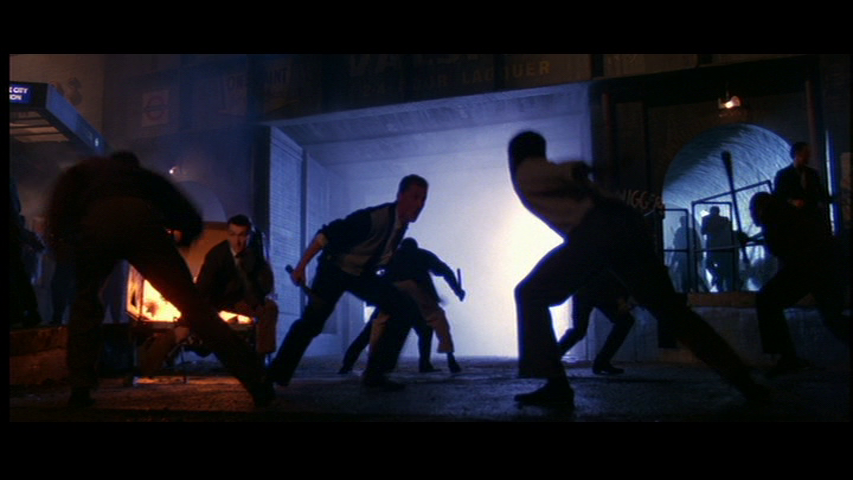
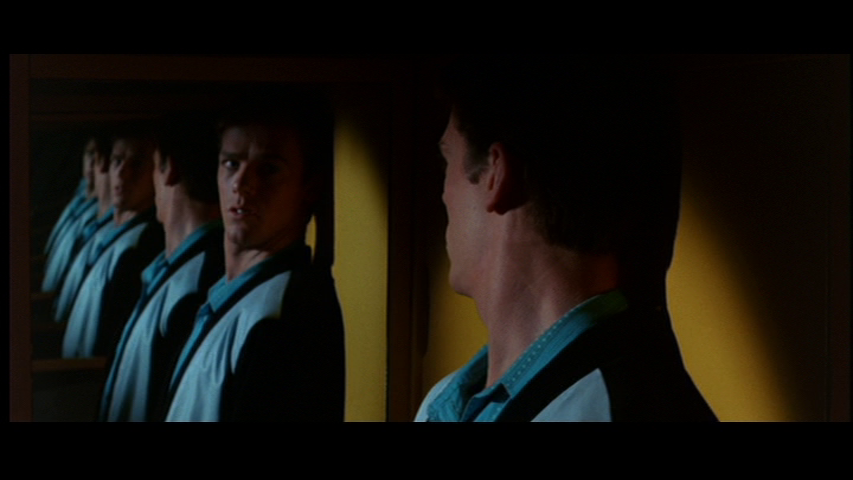
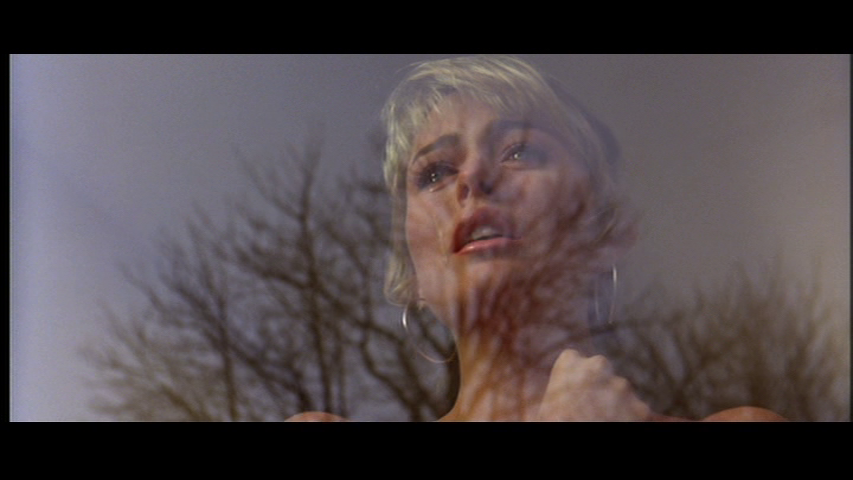
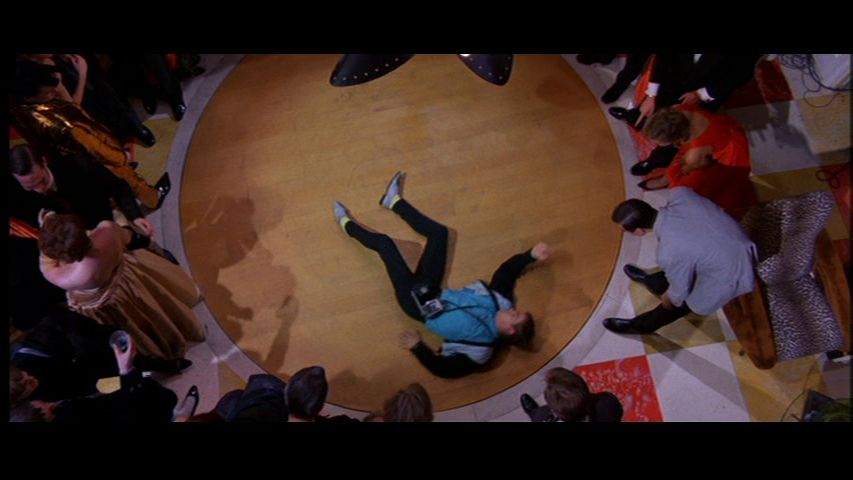
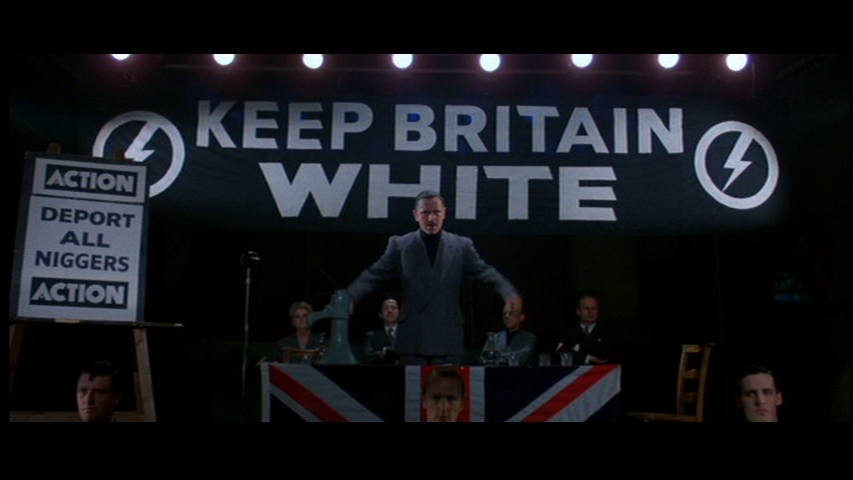
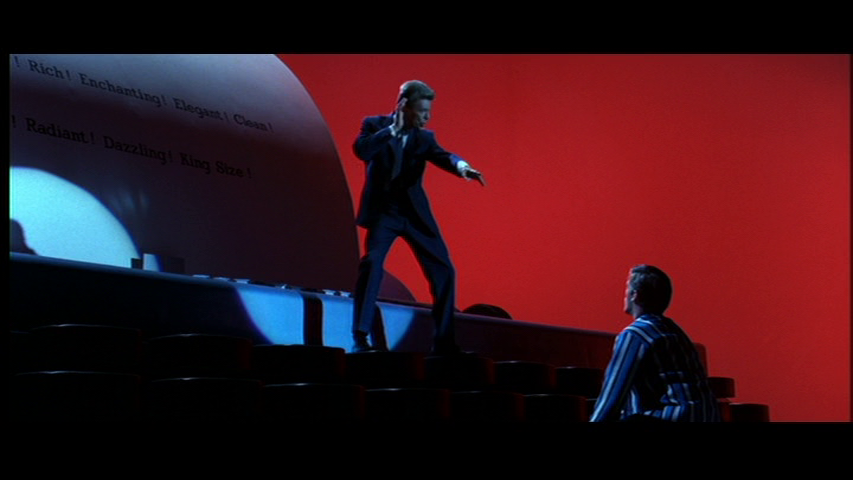
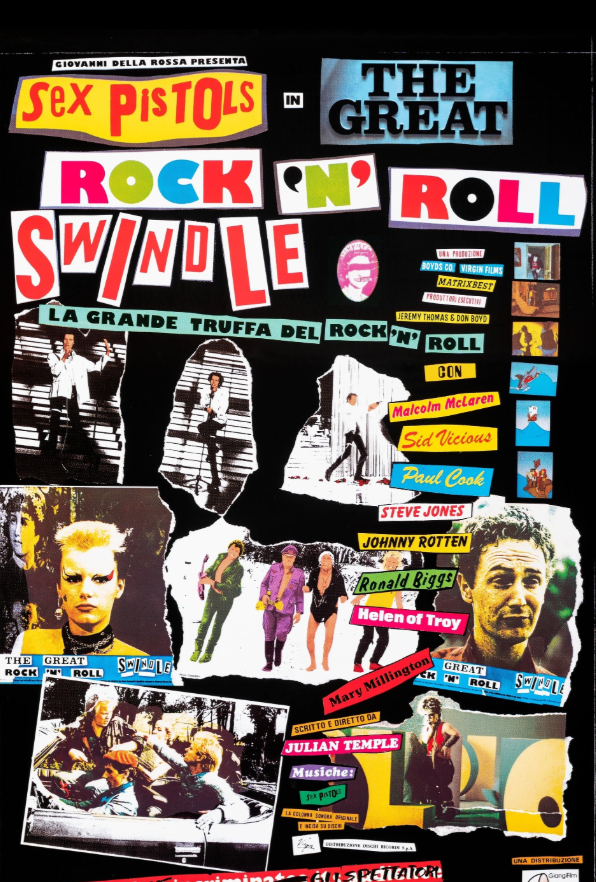
Review: … and the casting of David Bowie. (According to IMDb’s Trivia page, “Julien Temple asked David Bowie to write music for the film. After reading the book and then the script, Bowie agreed to Temple’s offer if he could also play the part of Vendice Partners.”) In his review, DVD Savant questions whether the film is actually “good,” noting regardless that “the movie is eye candy from one end to the other, a parade of color and costume creativity, flashy but not exaggerated editing, and the occasional snappy choreographic scene.” Indeed, it’s literally hard to pull your eyes away from this flick, given that “there are no calm scenes. To express the vitality and urgency of his characters, Temple keeps the camera moving at all times through crowds of eccentric supporting and bit players.” While there is far too much going on narratively, one can’t accuse Temple or his team of shying away from appropriately controversial topics, ranging from the toxic allure of fame and capitalism to violent systemic racism. To that end, one more trivia item on IMDb offers a useful comparison:
Notable Performances, Qualities, and Moments:
Must See? Categories
Links: |
“Mabel is not crazy; she’s unusual.”
|
Synopsis: |
|
Genres, Themes, Actors, and Directors:
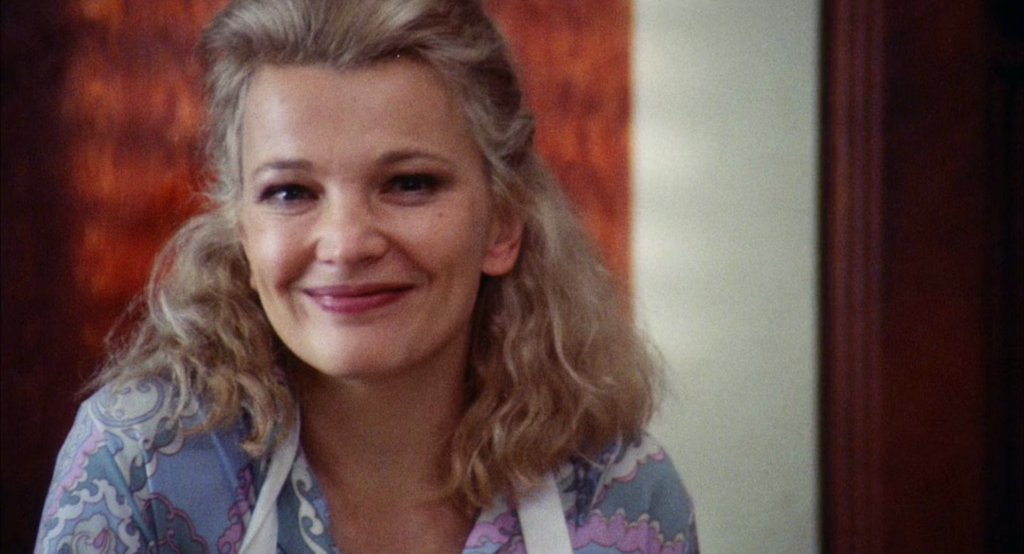
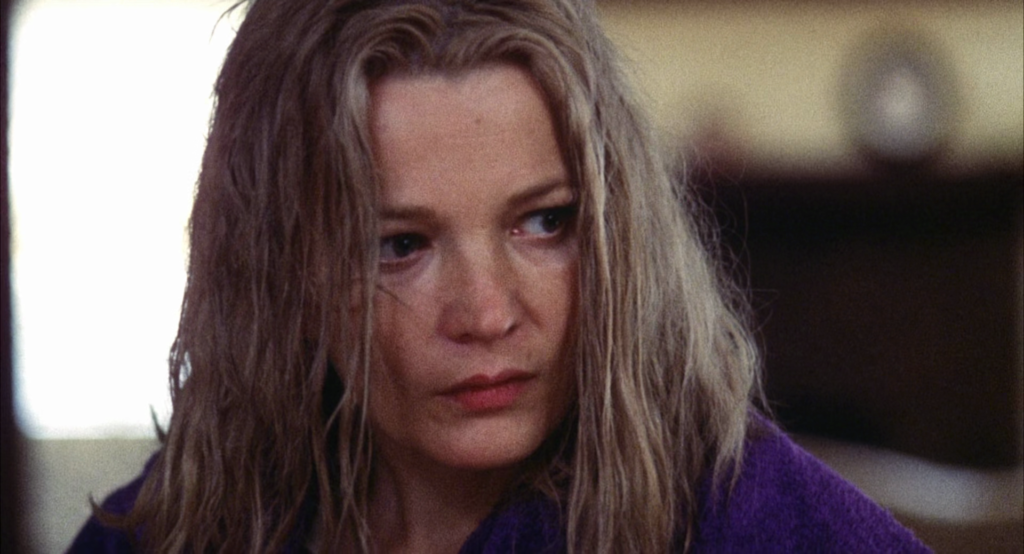
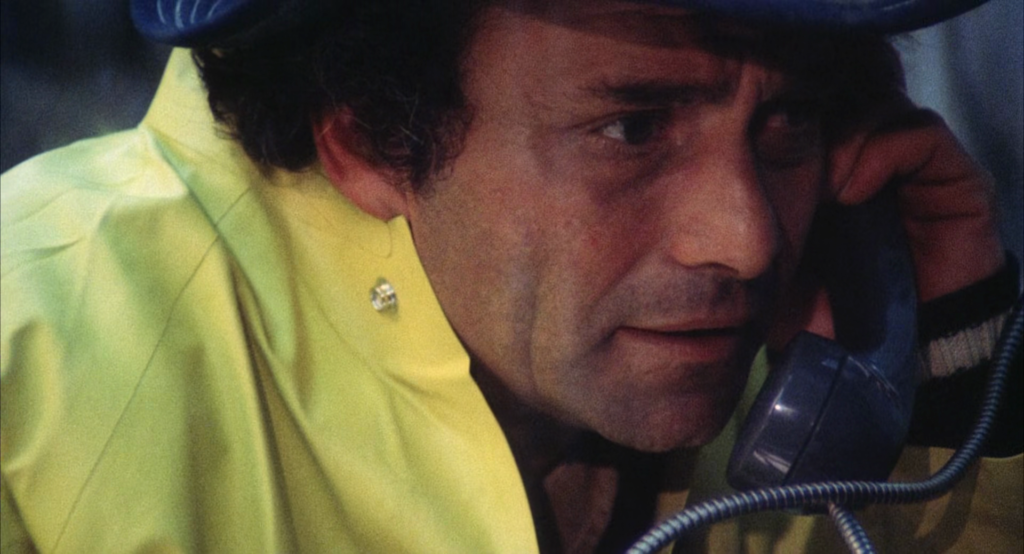
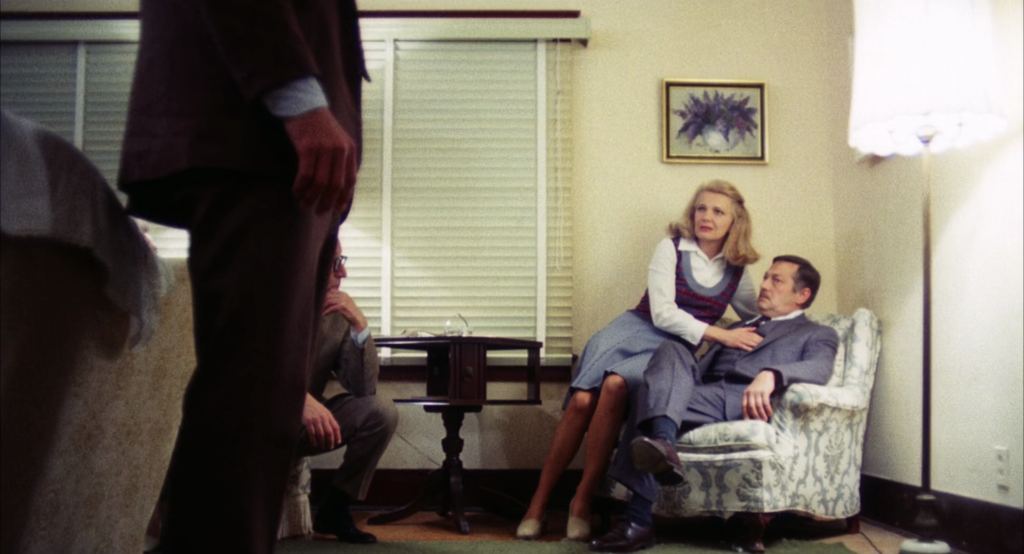
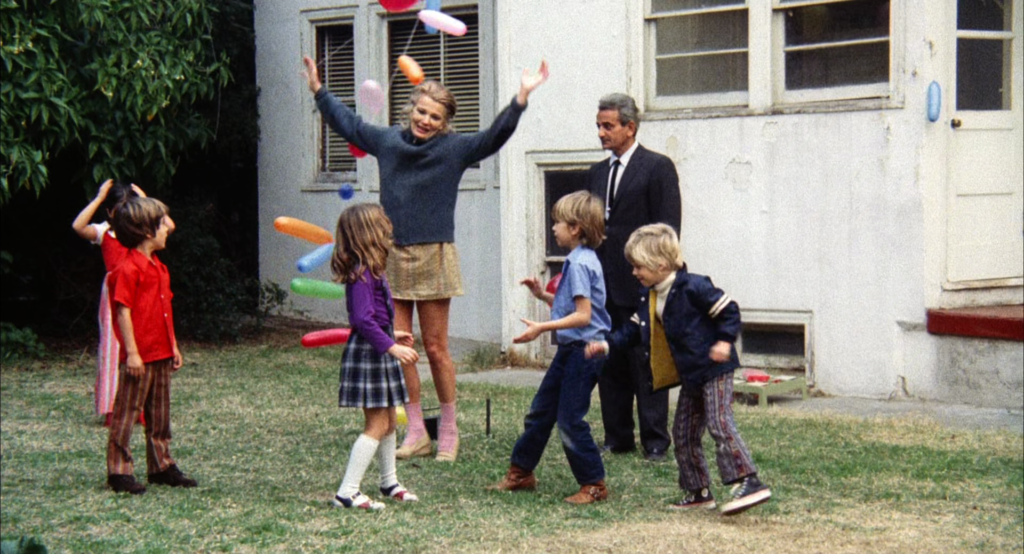
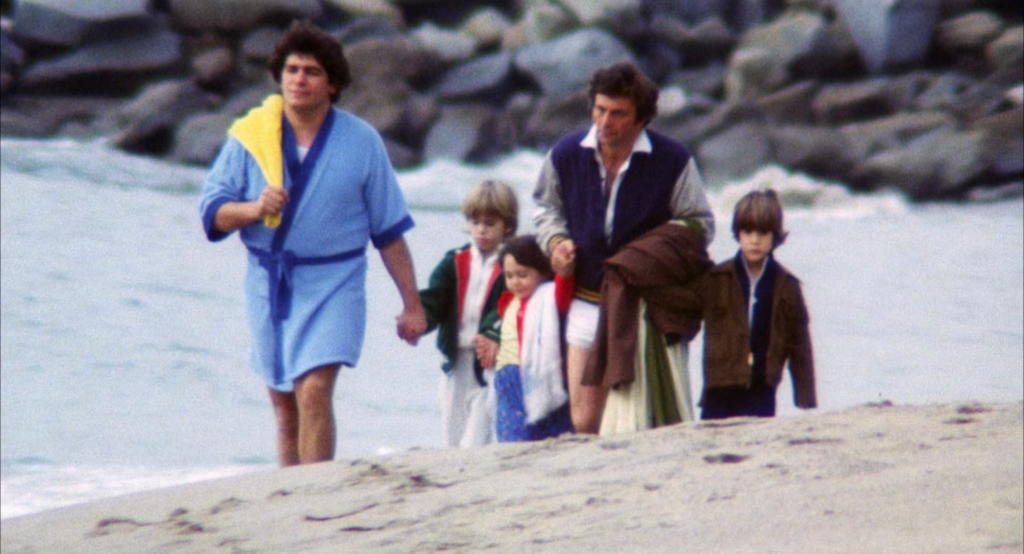
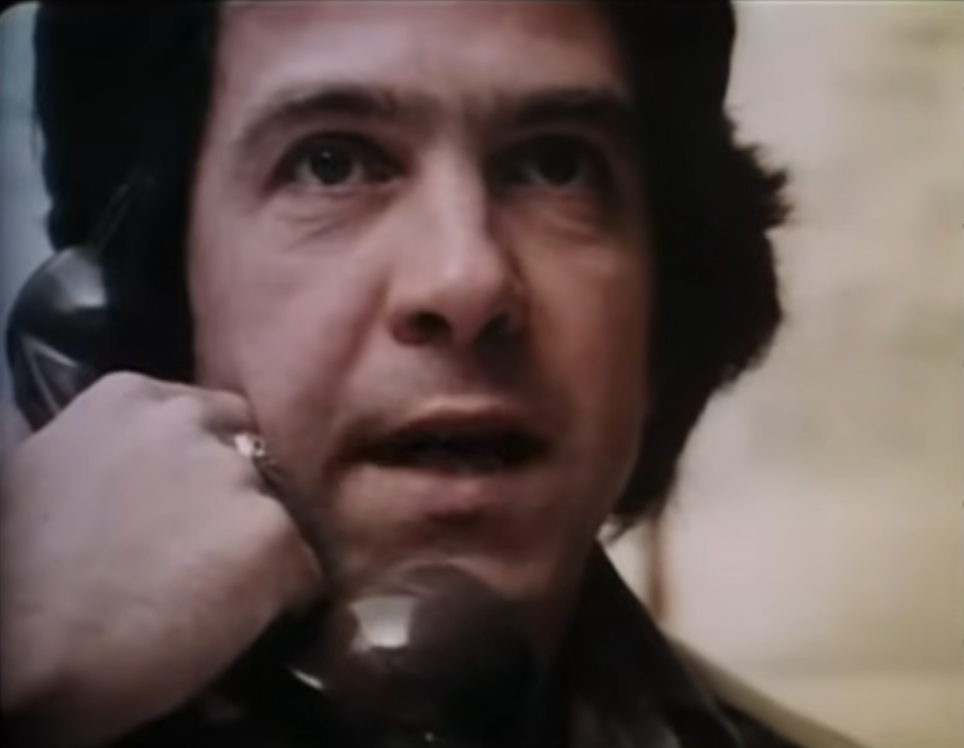
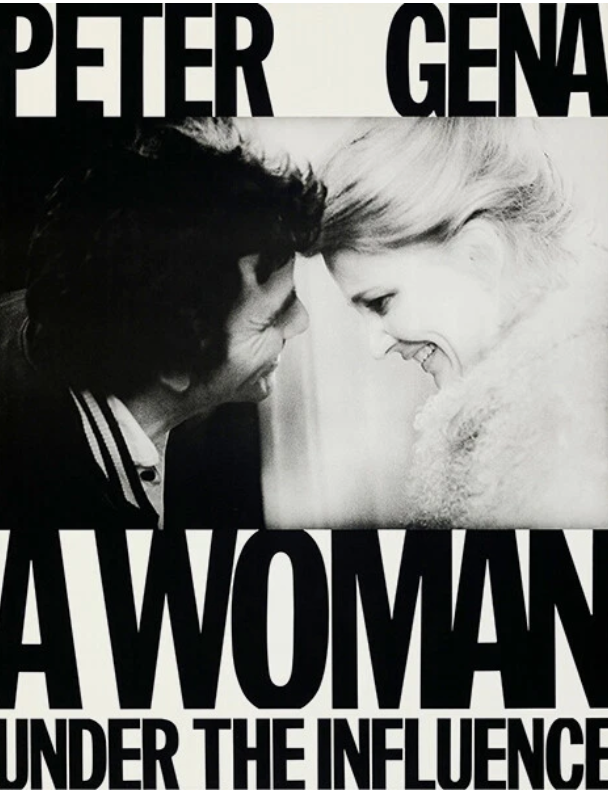
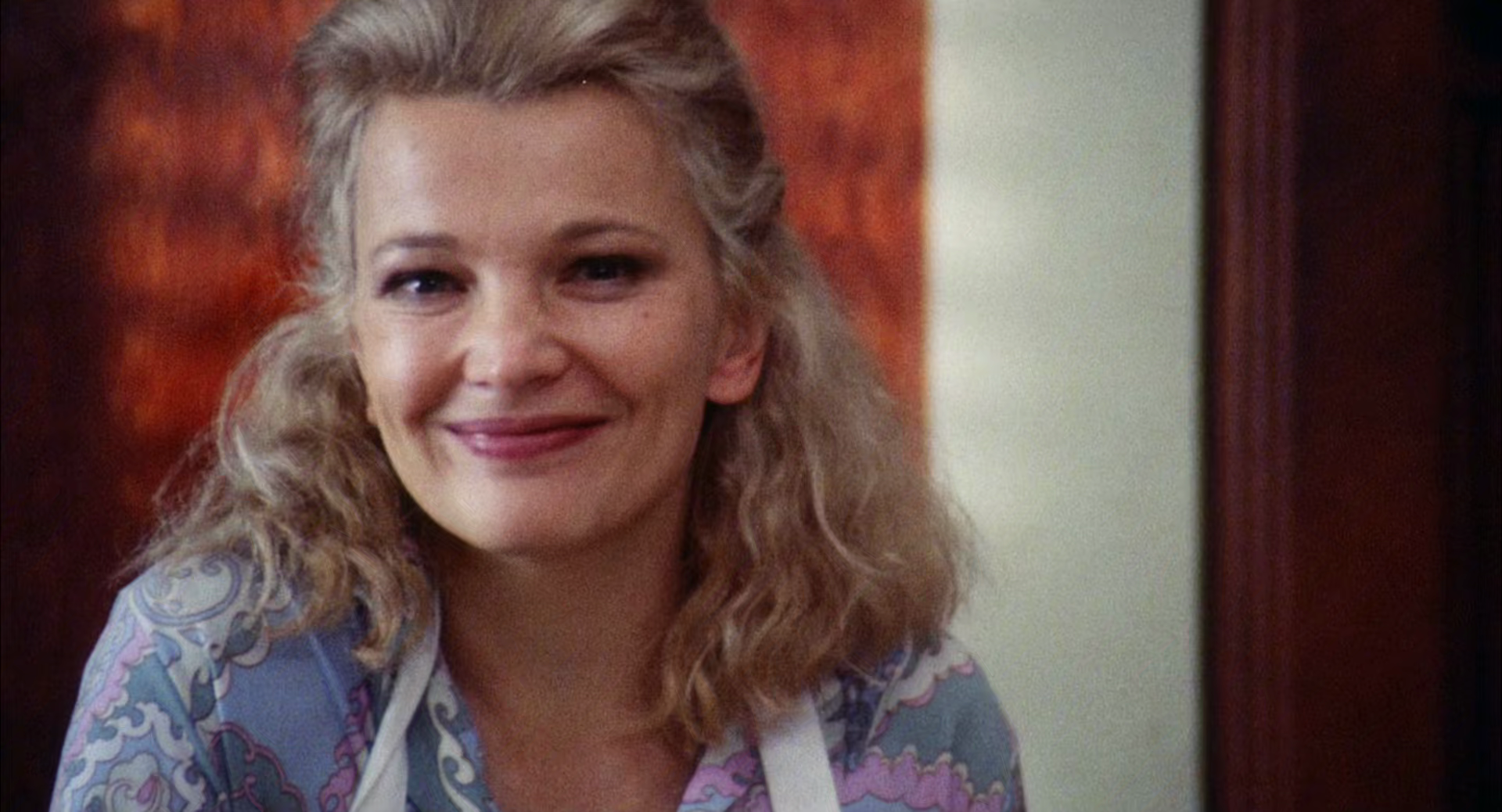
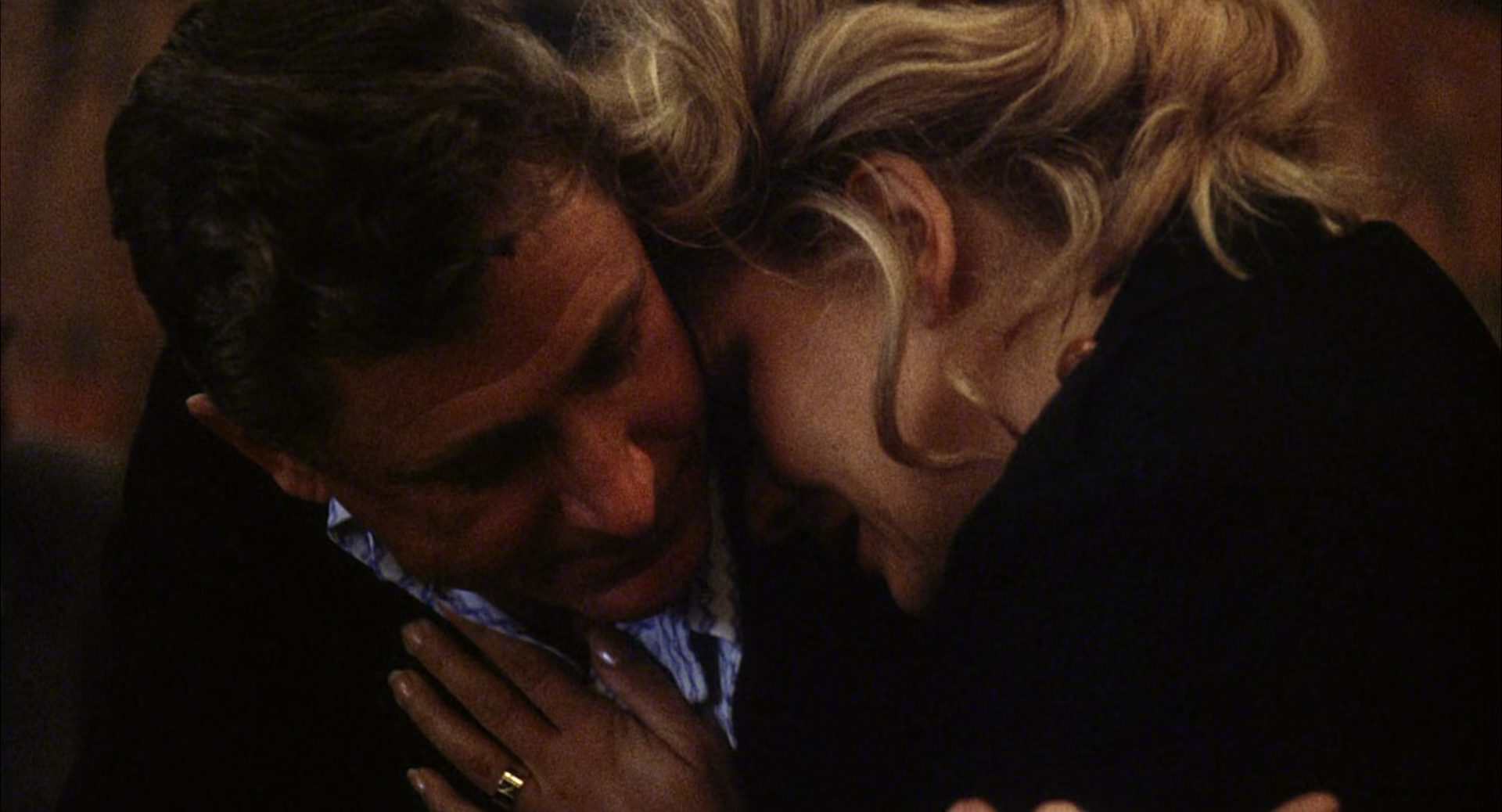
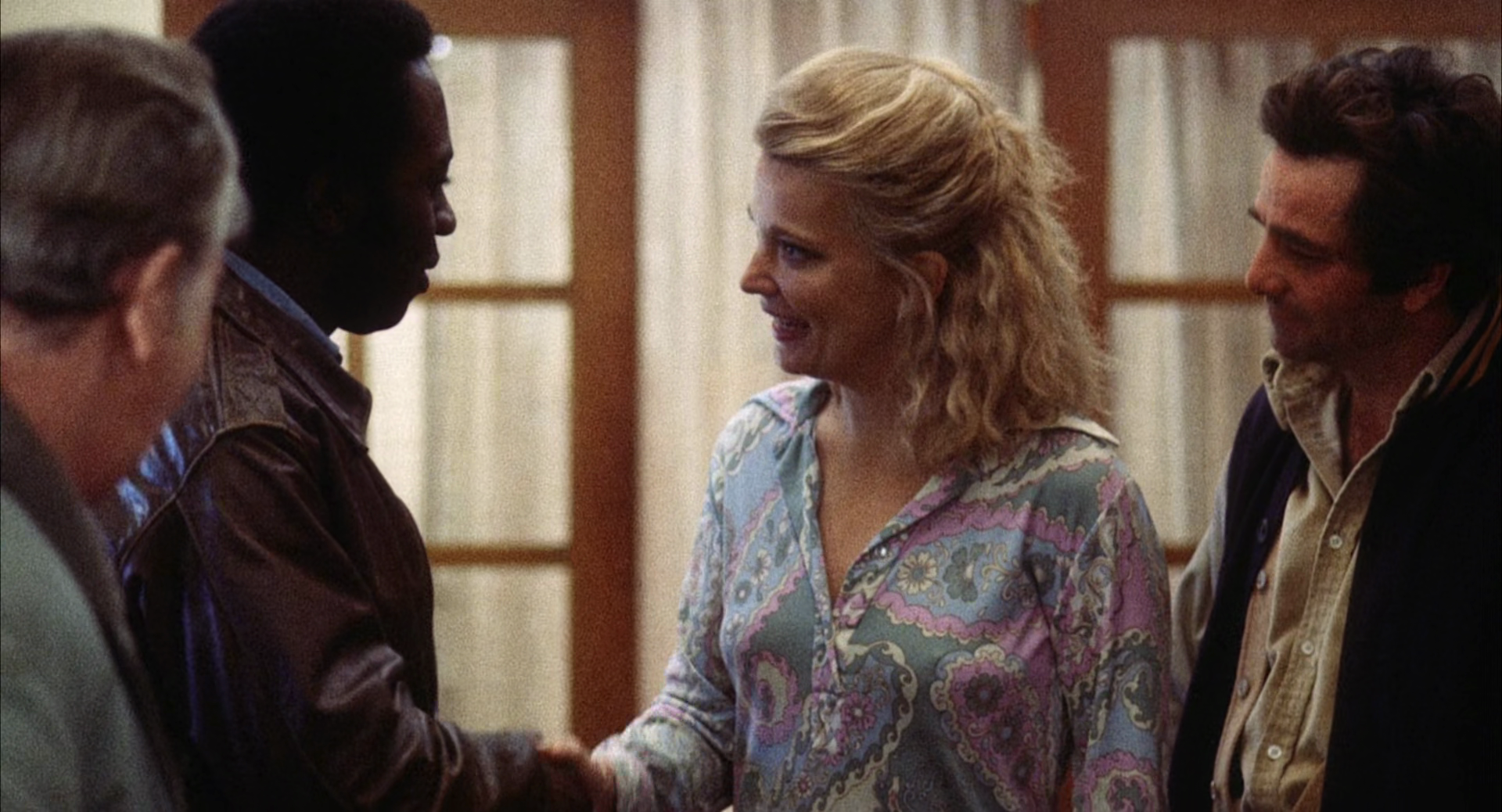
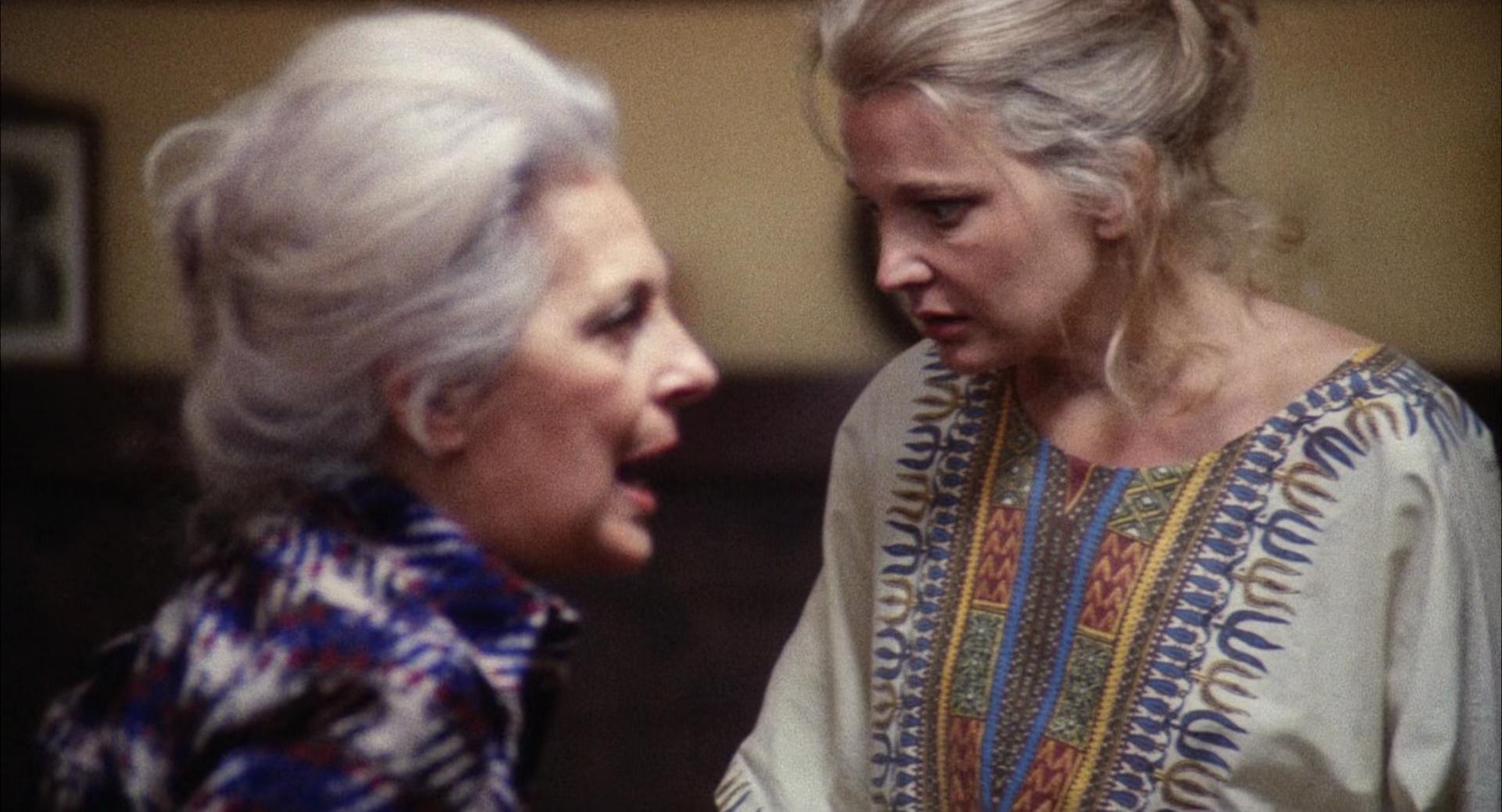
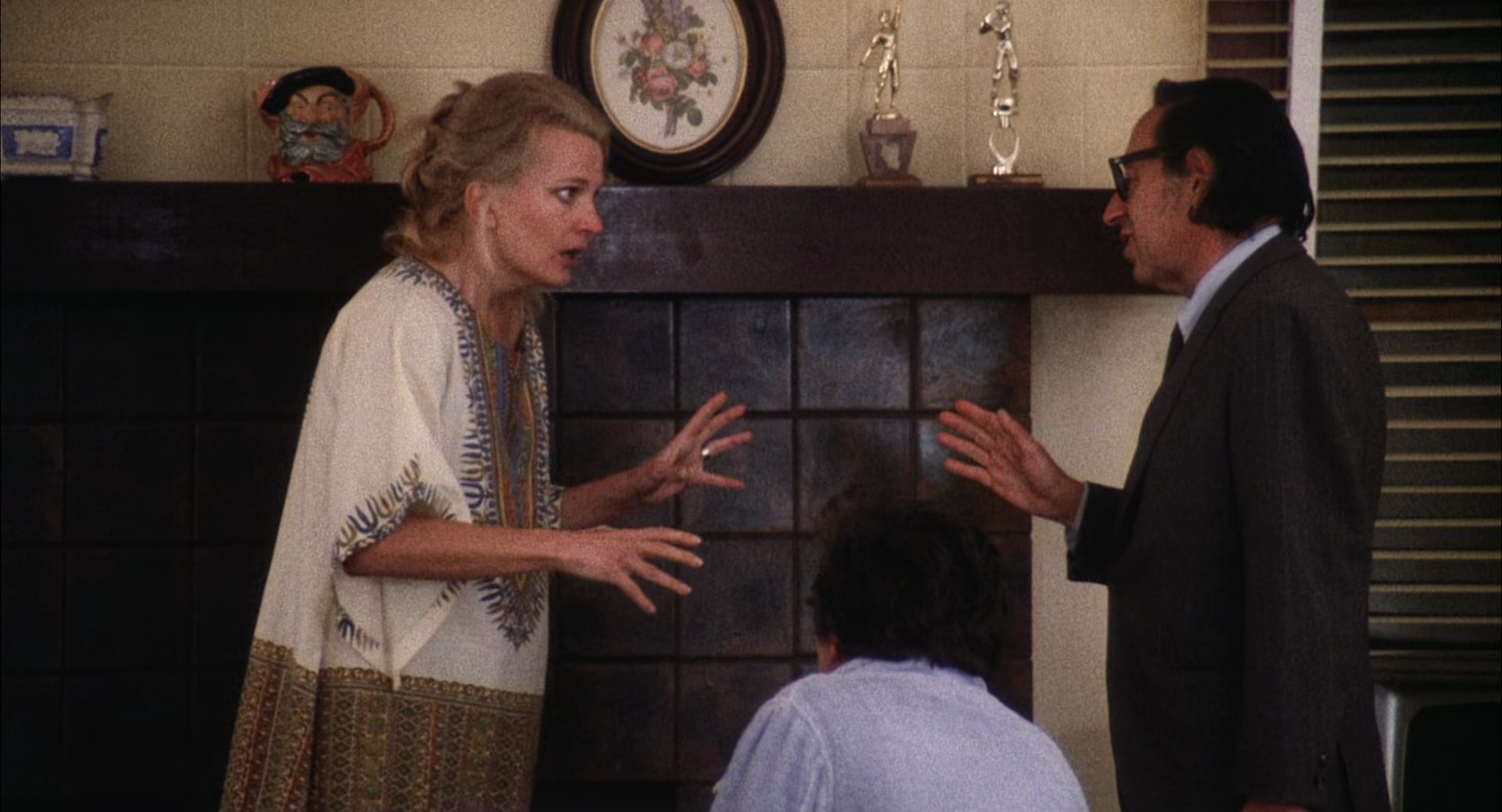
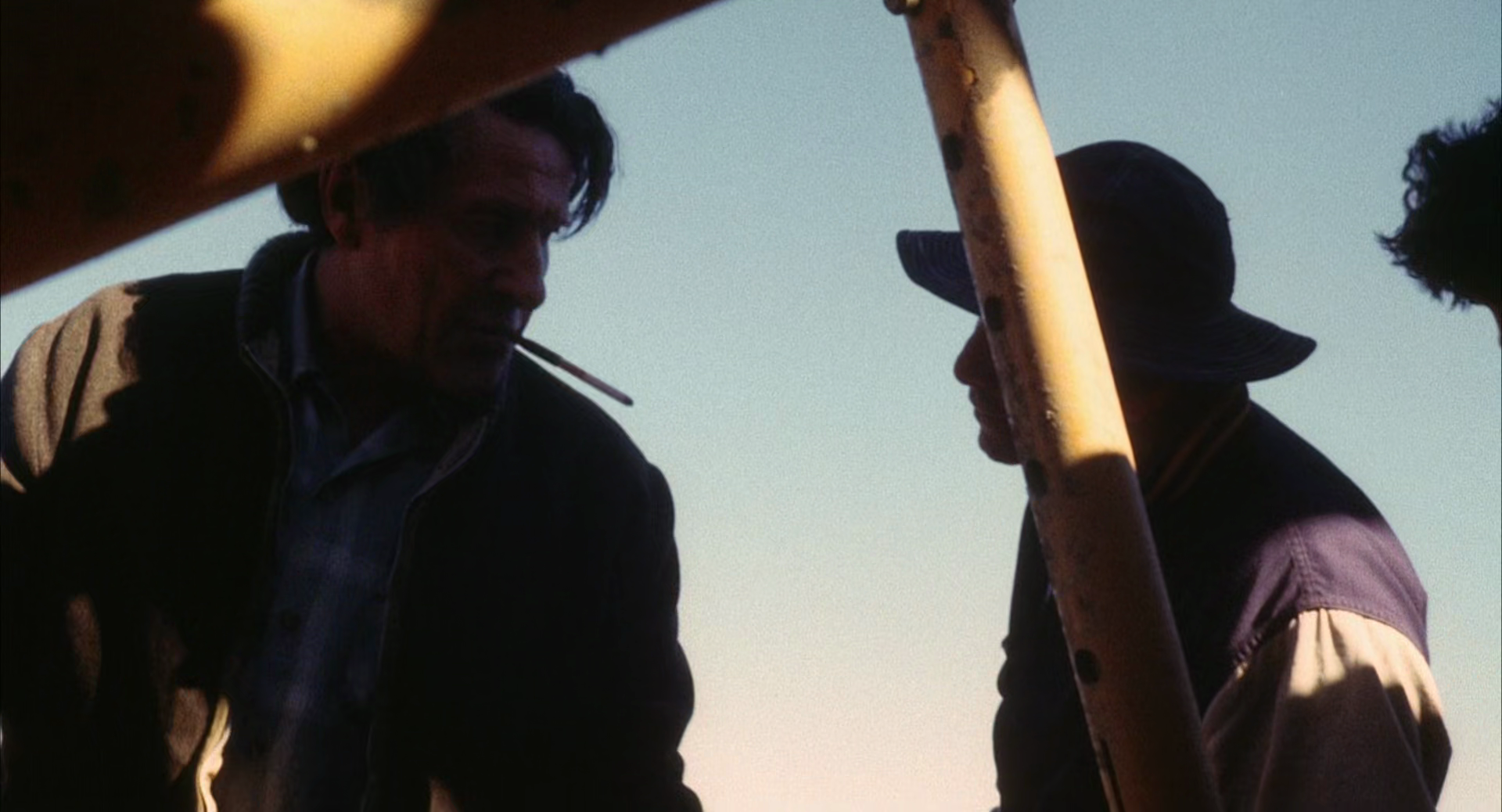
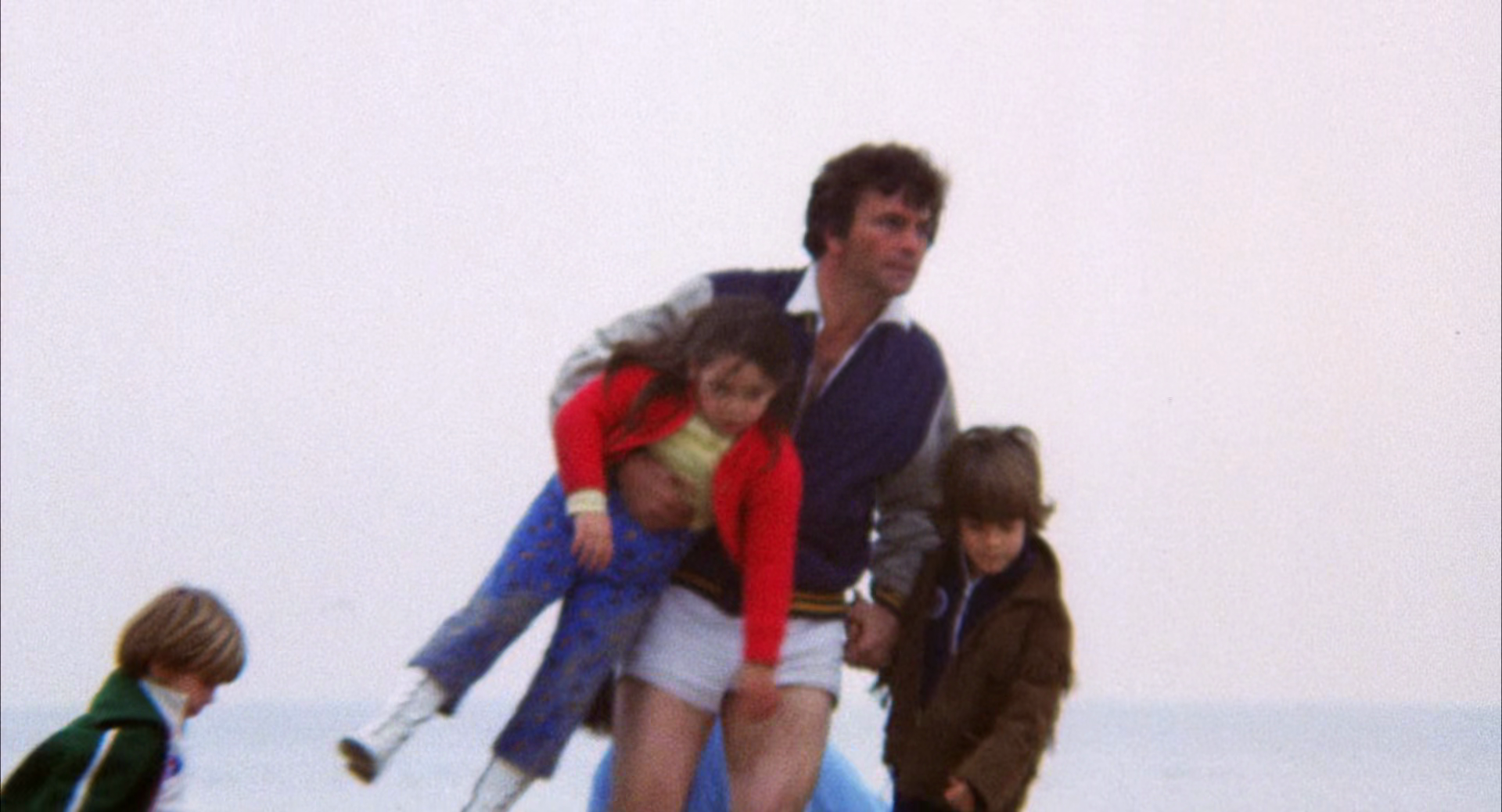
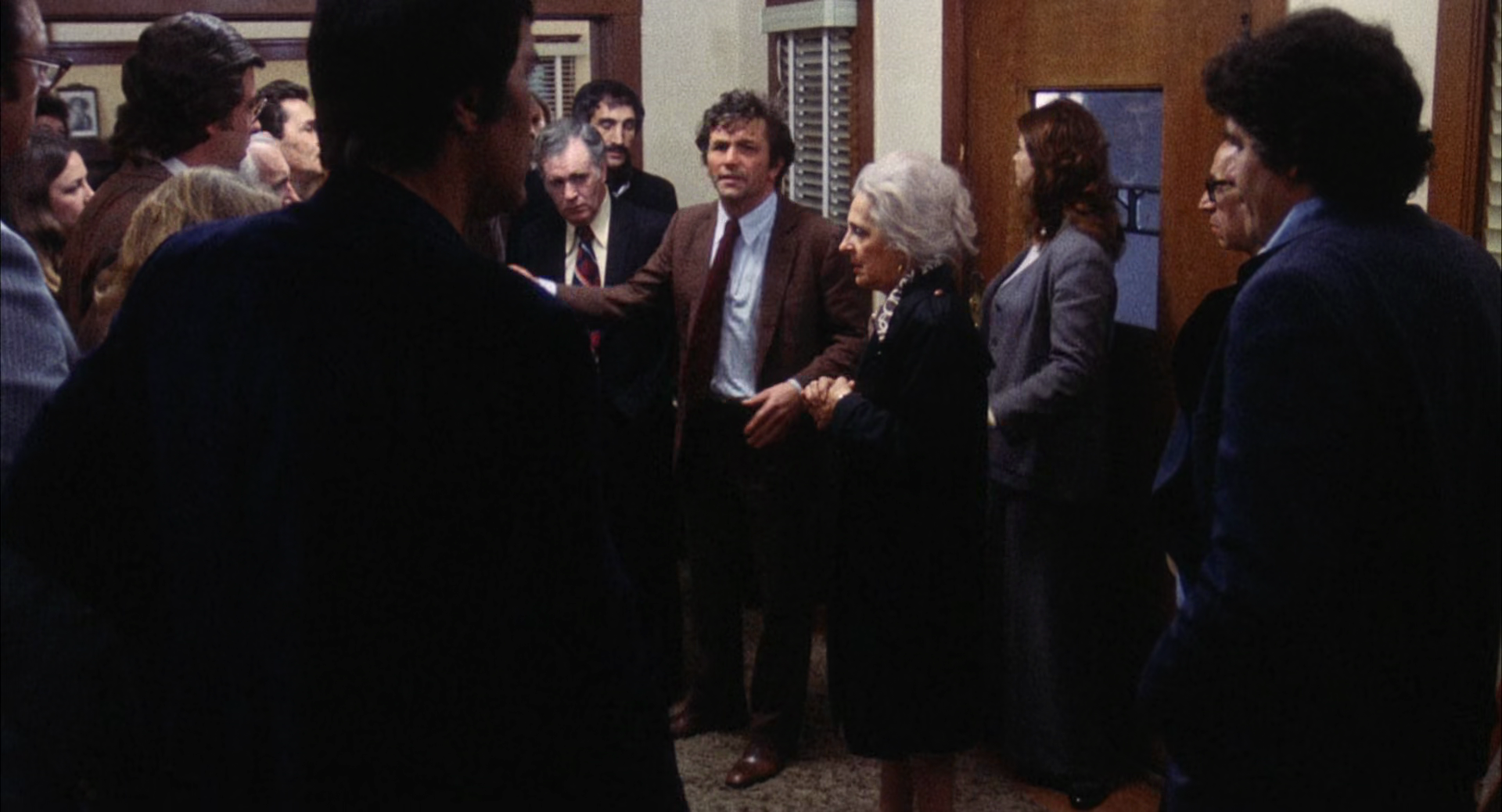
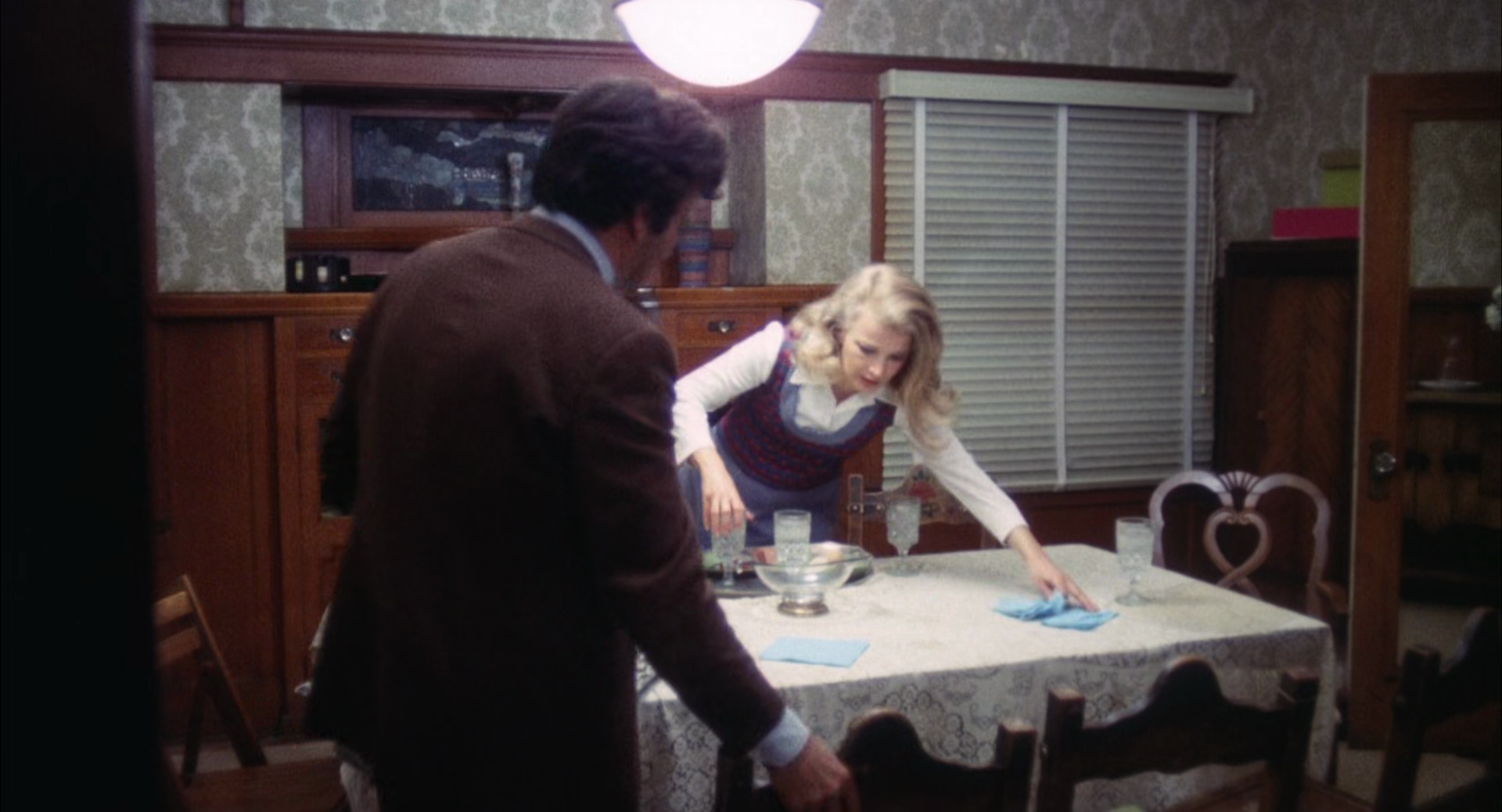
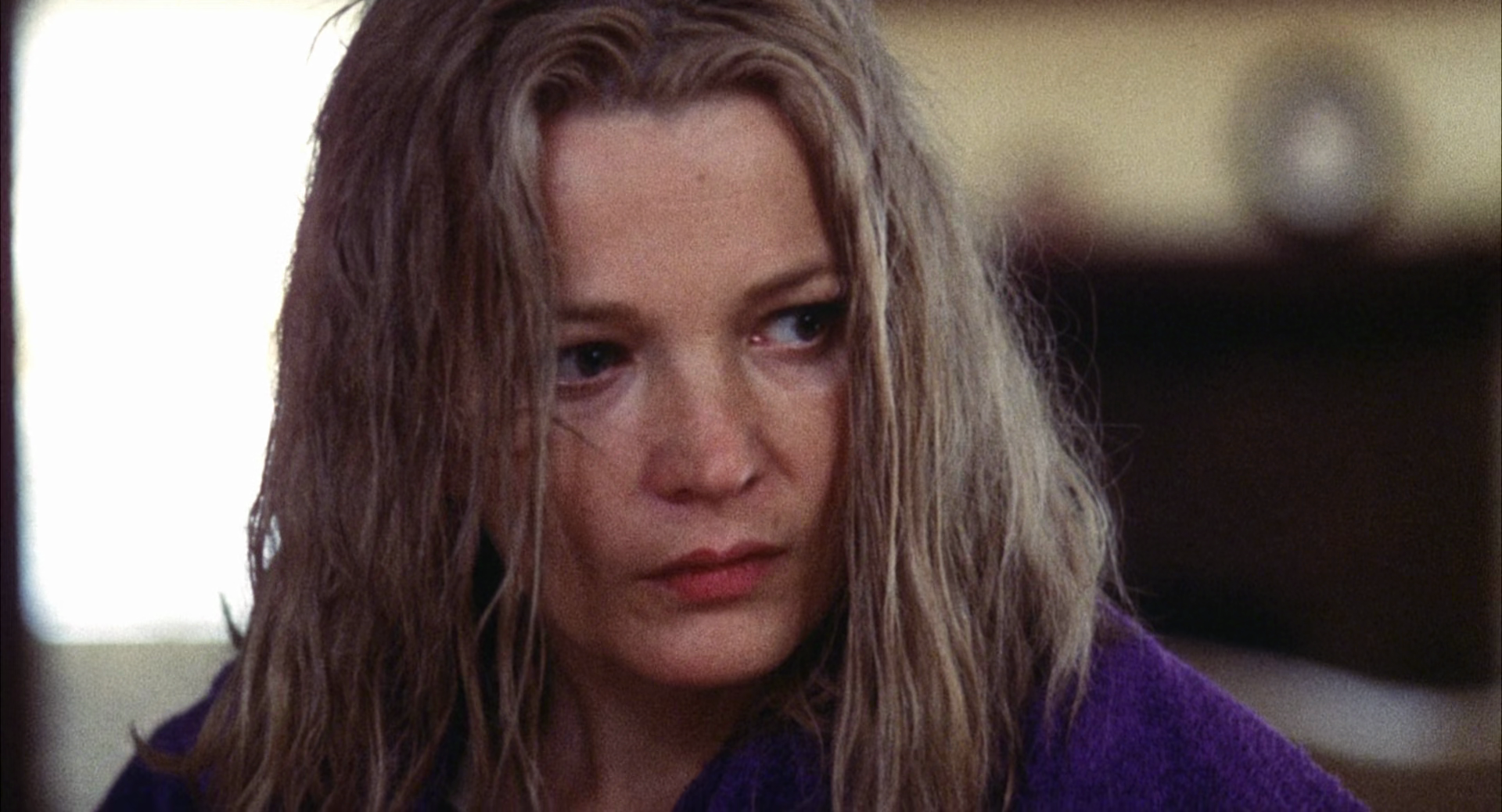
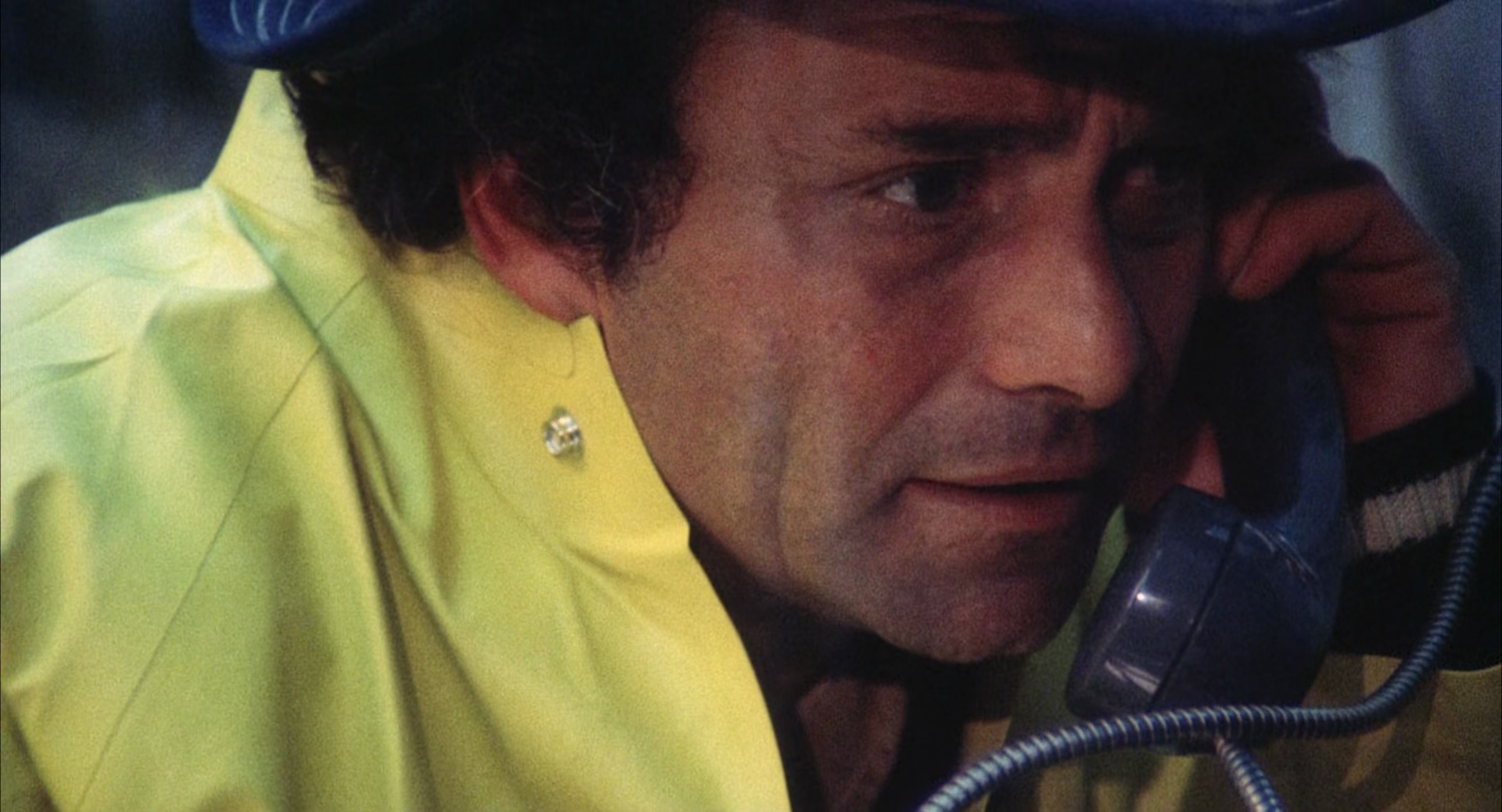
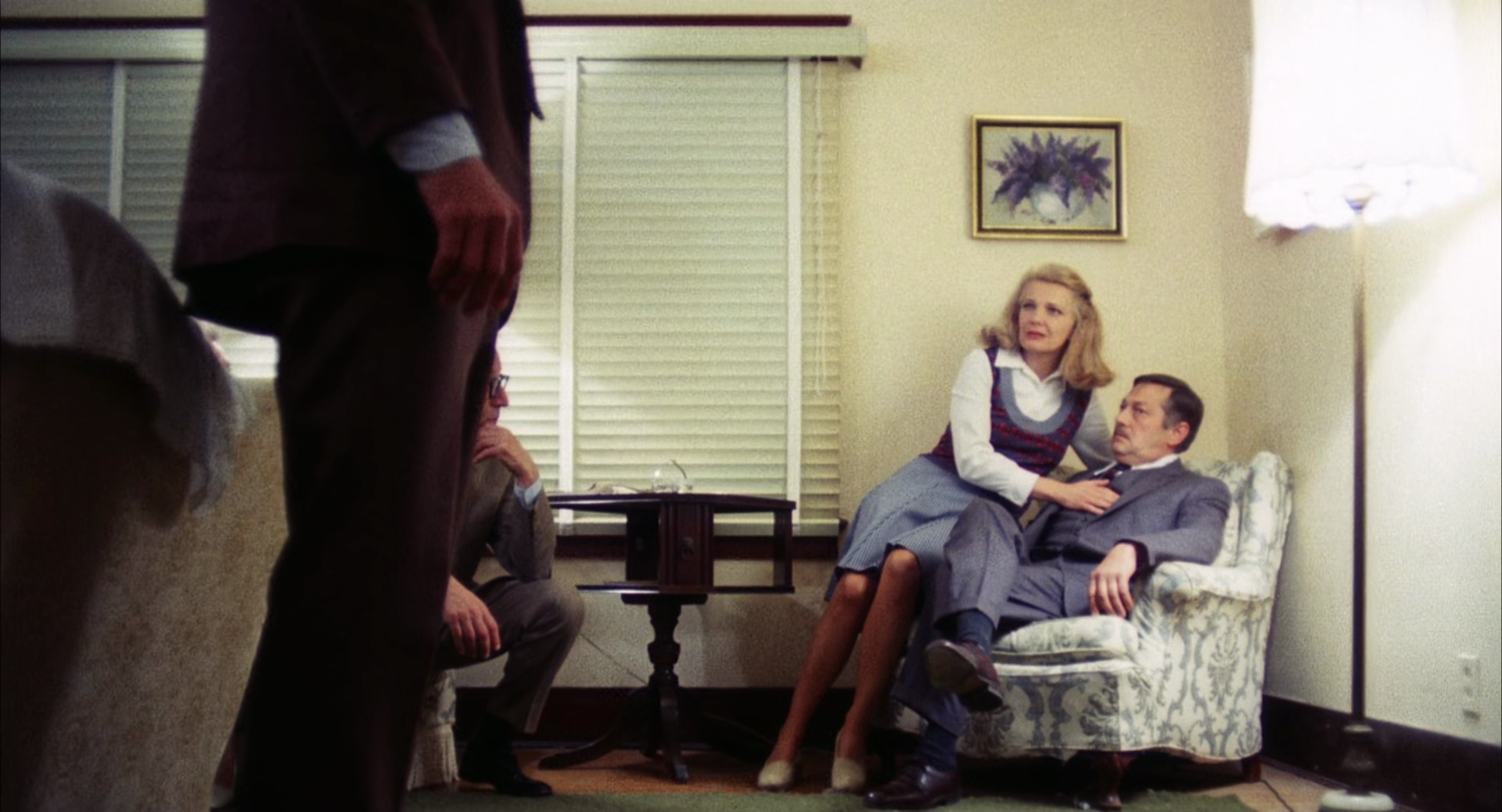
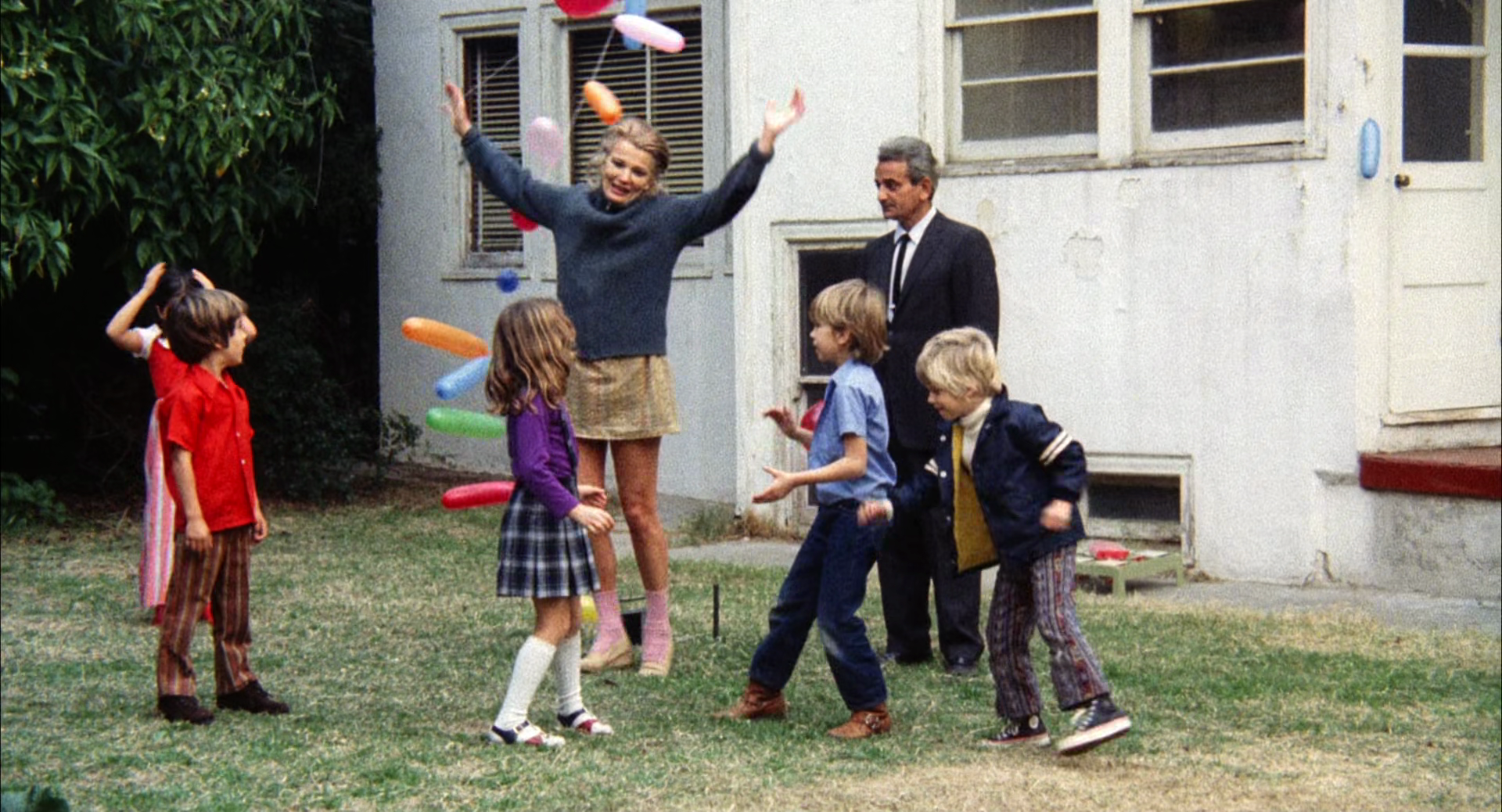
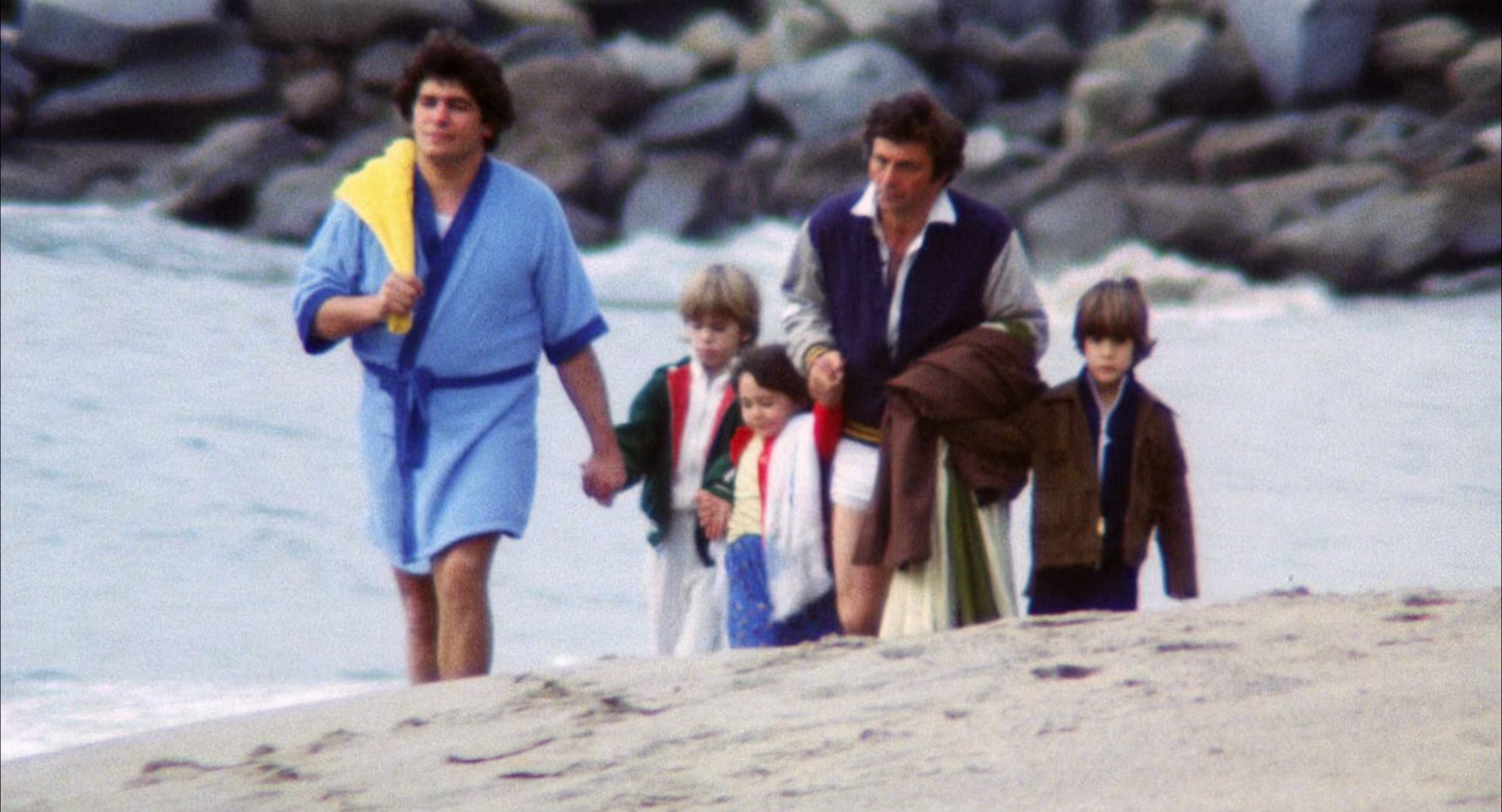
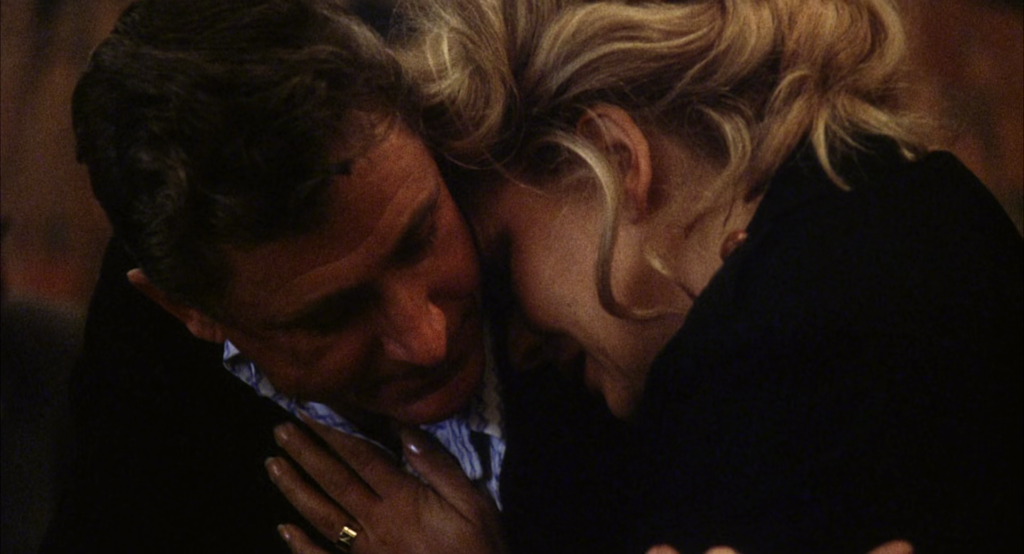
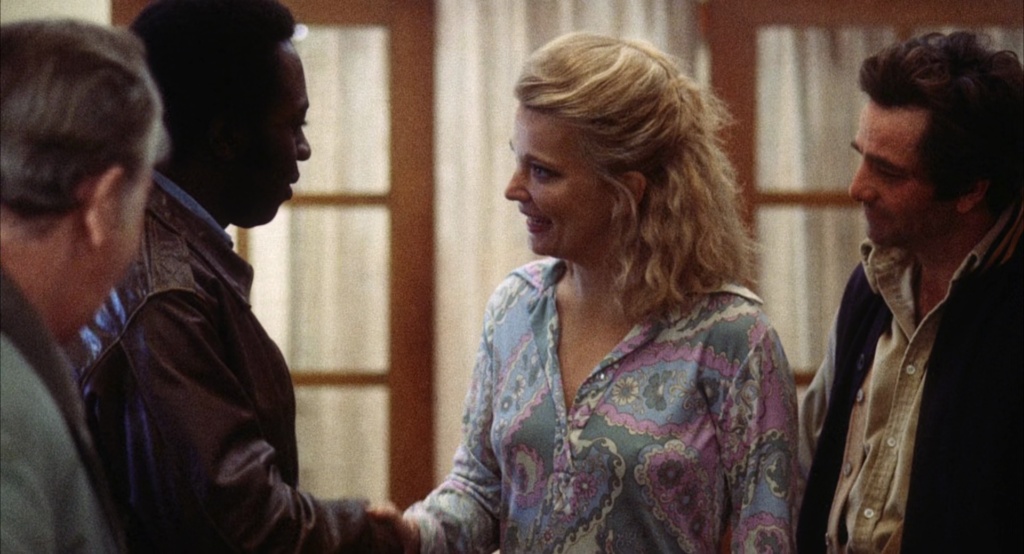
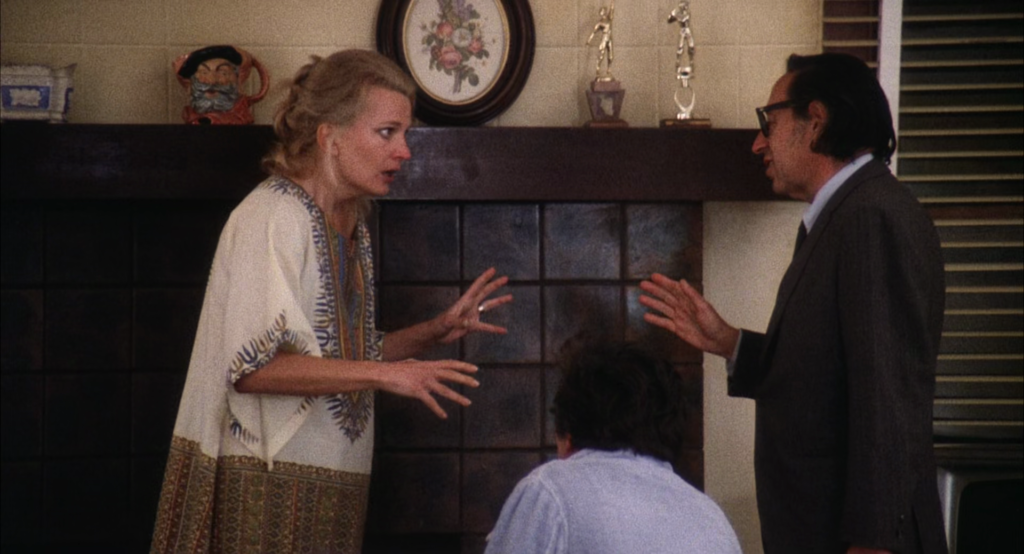
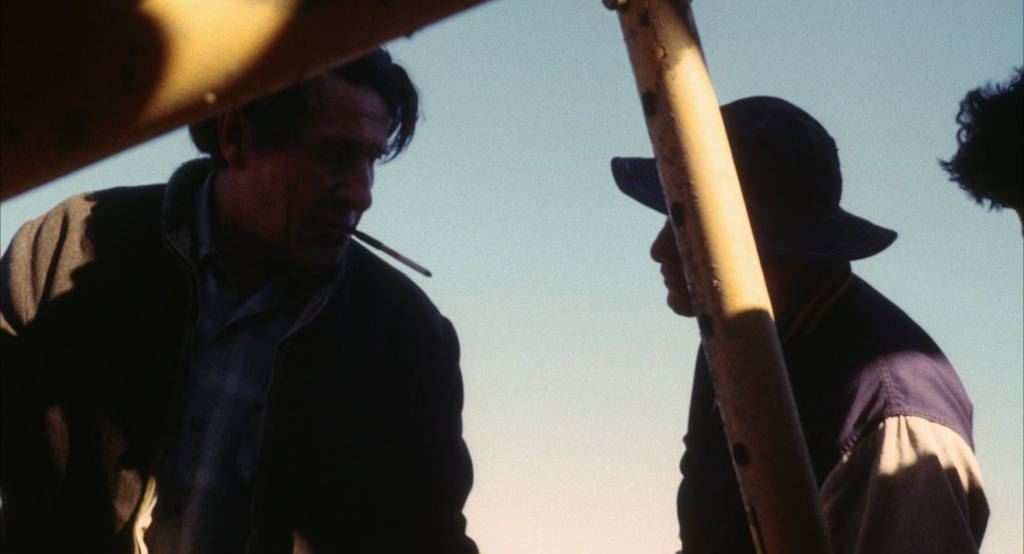
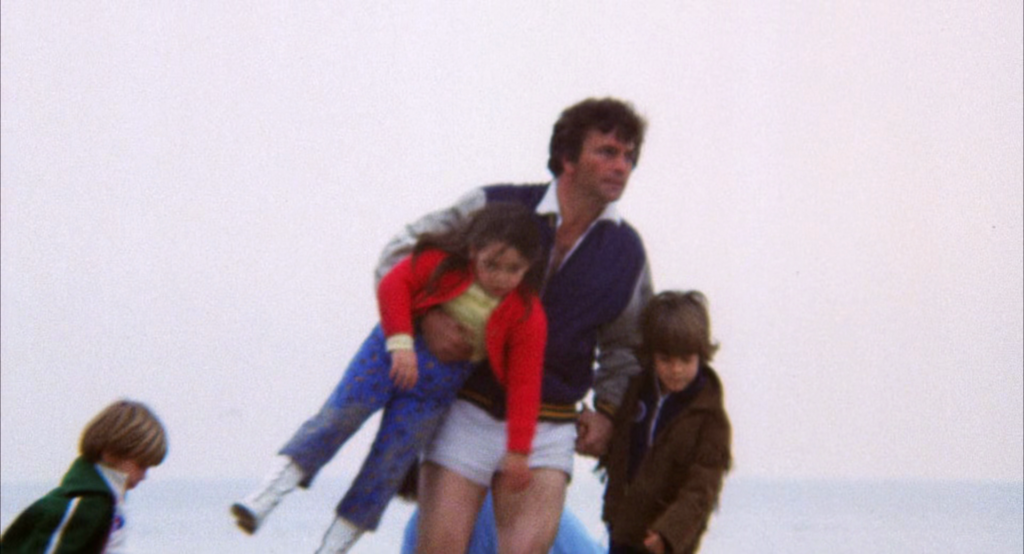
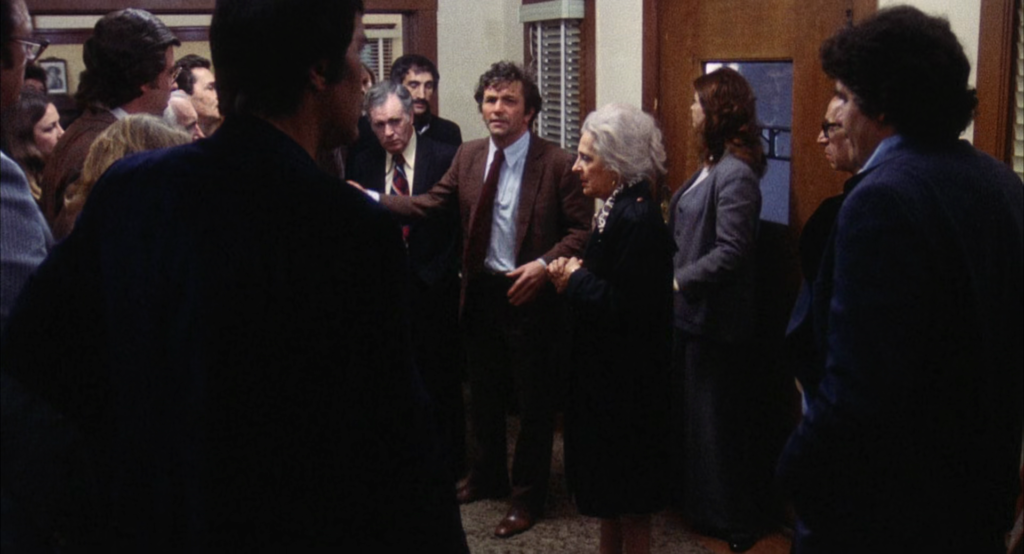
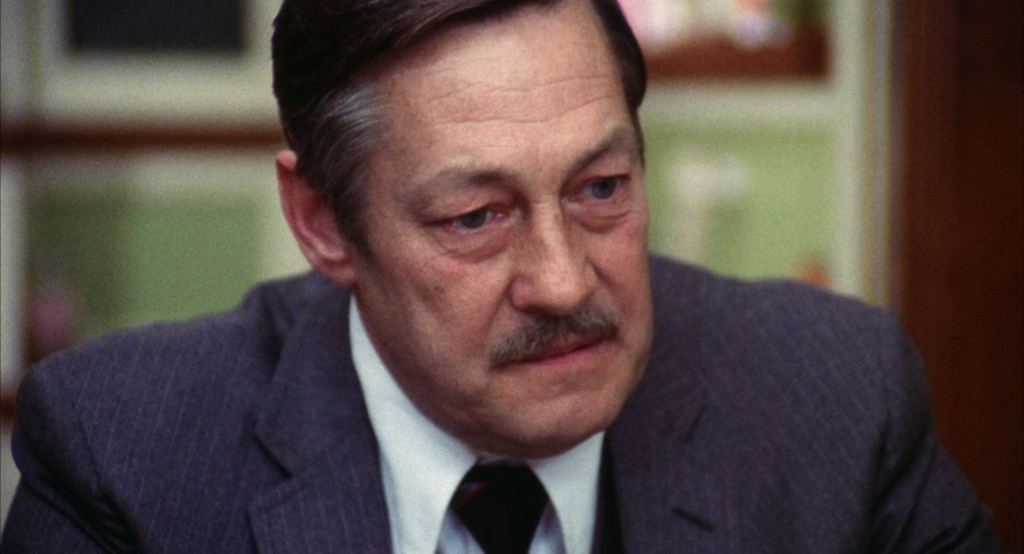
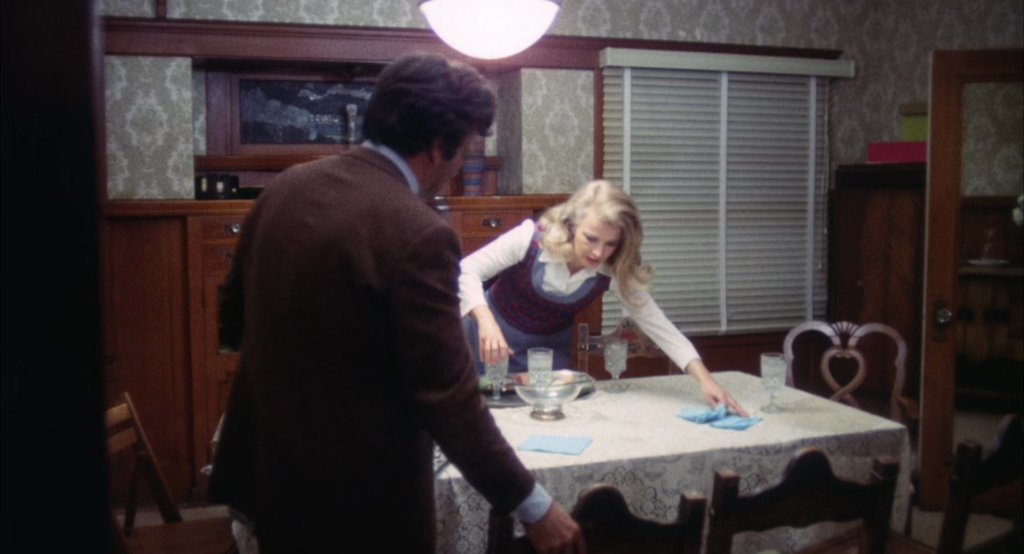
Review: What I was most curious about upon this second viewing — much later in my life, now with three kids of my own — was to get a better sense of what, exactly, Mabel was “under the influence” of: delusions? substances? her husband? society? patriarchy? all of these? (This remains hotly debated; check out Reddit for robust discussions.) In the opening scene, while dealing with disappointment that her husband Nick (Falk) can’t make it home for a specially planned evening together, she acts out through drinking and dallying. At this point, we feel sorry for hardworking Nick, who’s stuck in a laborious overnight shift and dreads disappointing his wife. However, when he proceeds to bring home his entire crew the following morning for socializing — rather than returning alone, apologizing, and doing what he can to make things up to Mabel — we begin to see that his coping responses aren’t exactly healthy, either. Adding to Mabel’s stress is Nick’s overbearing mother (played by Cassavetes’ real-life mom, Katherine Cassavetes), who doesn’t hesitate to share her true feelings: “[My son] says you give him nothing! You’re empty inside! Your children are naked! They’re hungry!” Also part of Mabel’s living nightmare is the presence of a seemingly kind but insistent doctor (Eddie Shaw) determined to shoot her up with sedatives and take her away from her beloved kids. Meanwhile, we’re also given stronger indications of Nick’s racism and short temper, particularly during a harrowing work-site scene depicting his Mexican colleague tumbling down a ledge after Nick yells at him. Is Nick a MAN “under the influence” as well? Yes, he clearly is — but, as a (white) male, he also gets to make the decisions in his spheres of influence: he drags his kids to the beach for a requisite family outing, not only failing to have a fun time with them, but giving his boys beer in the back of a truck on their way home. The final harrowing scenes take place six months later, back at Nick and Mabel’s home (filmed in “a slightly run-down house on Taft Avenue, just off Hollywood Boulevard”), where Nick has inexplicably invited seemingly everyone he knows (and then some) over in anticipation of celebrating Mabel’s arrival back from her enforced hospitalization. In truth, Nick doesn’t actually WANT to be left alone with his wife — despite the fact that this (and being with her kids) is all she wants after being gone for so long. Meanwhile, Nick repeatedly implores her to “Just be yourself — be yourself!”, yet doing just that is precisely what got her put away. Talk about a double-bind. Mabel pleads with her clueless father (Fred Draper) to “just stand up” for her, but he literally has no idea what she means by this, and is thus yet another unreliable male figure in her life. (My daughter told me this was the most heartbreaking scene of all for her.) In the film’s final unnerving moments, Nick and Mabel are co-habitating once again in their mostly empty house, but can’t stop moving, working, cleaning… Will they be able to repair things? At the very least (as Falk pointed out in a later interview reflecting back on the film), his character doesn’t pick up the phone while it’s ringing — thus presumably ignoring his mom, for awhile. It’s a start. Notable Performances, Qualities, and Moments: Must See? Categories
Listed as a Cult Movie and a Personal Recommendation in the back of Peary’s book. (Listed in 1001 Movies You Must See Before You Die) Links: |
“I must break you.”
|
Synopsis: |
|
Genres, Themes, Actors, and Directors:
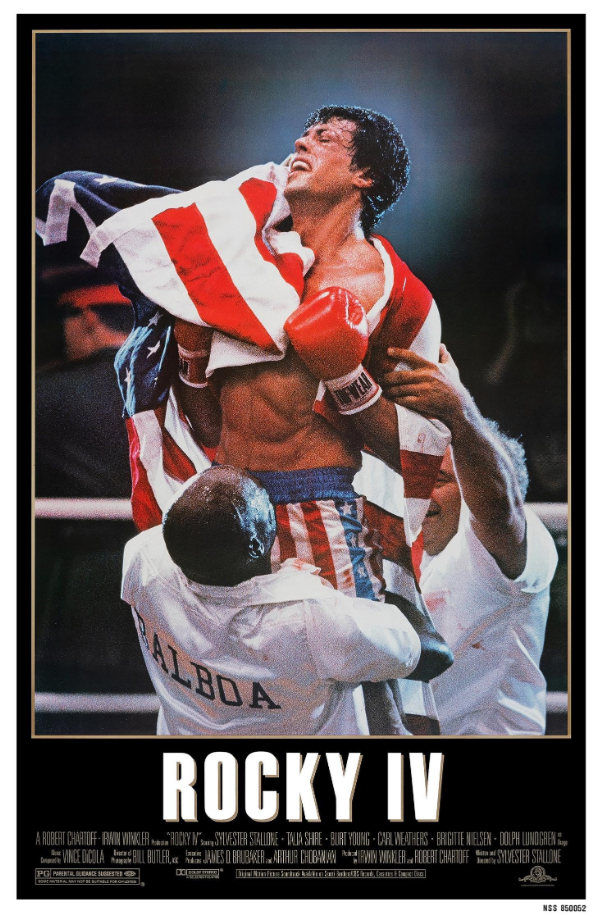
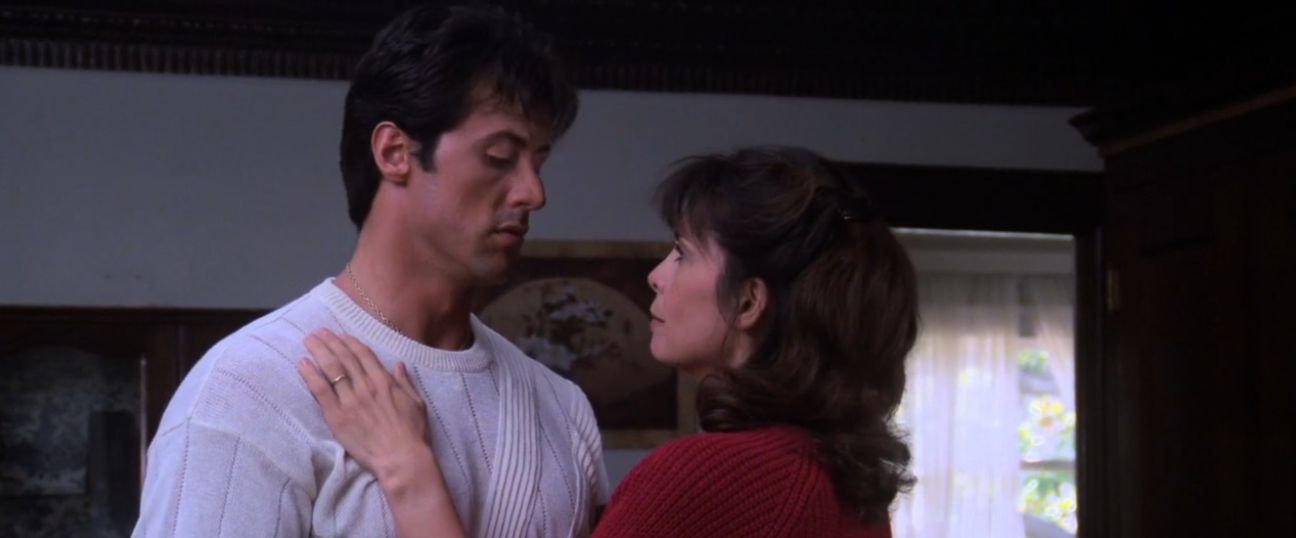
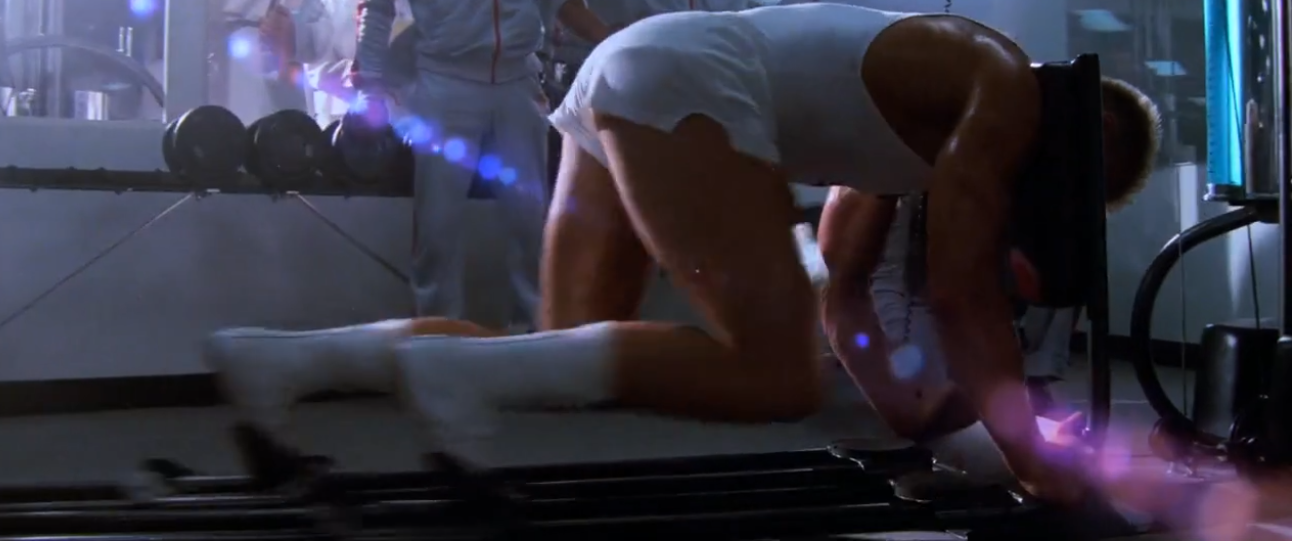
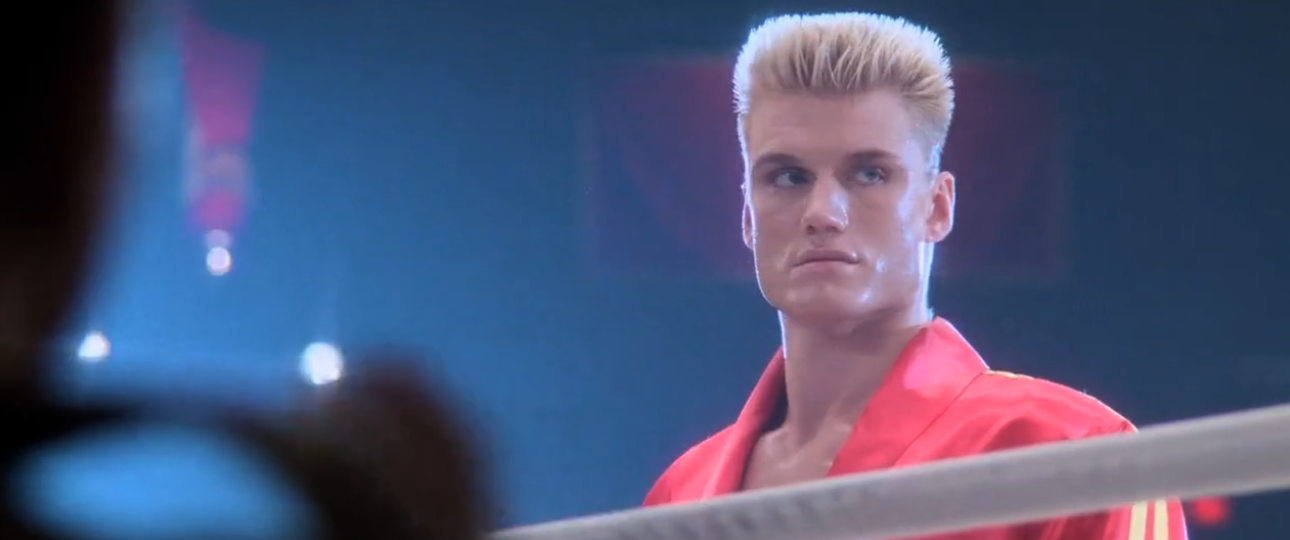
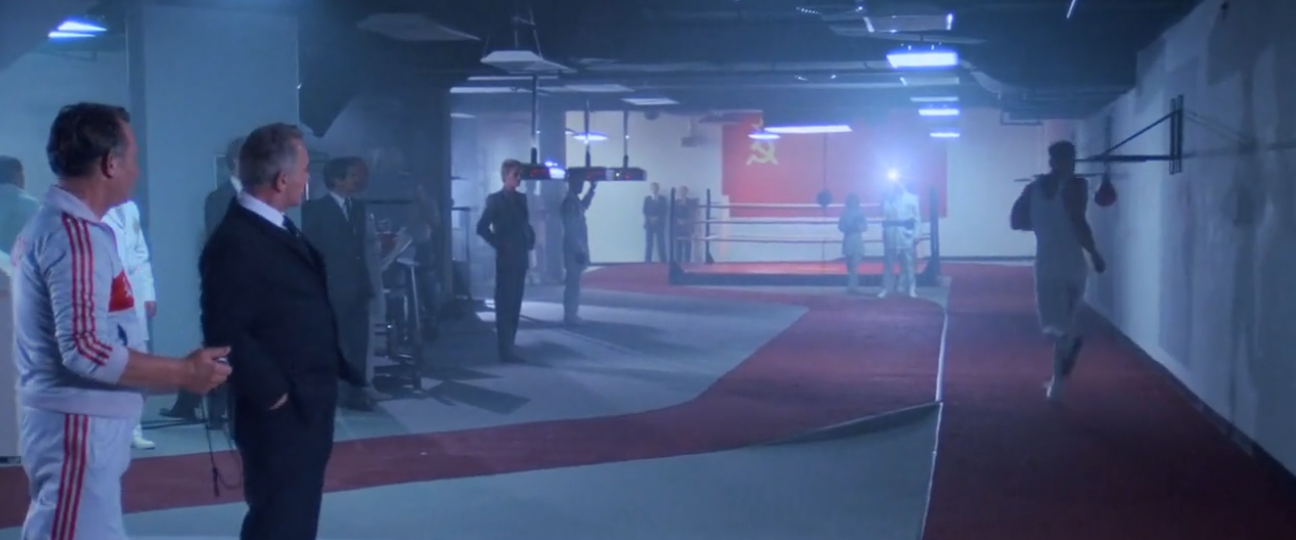
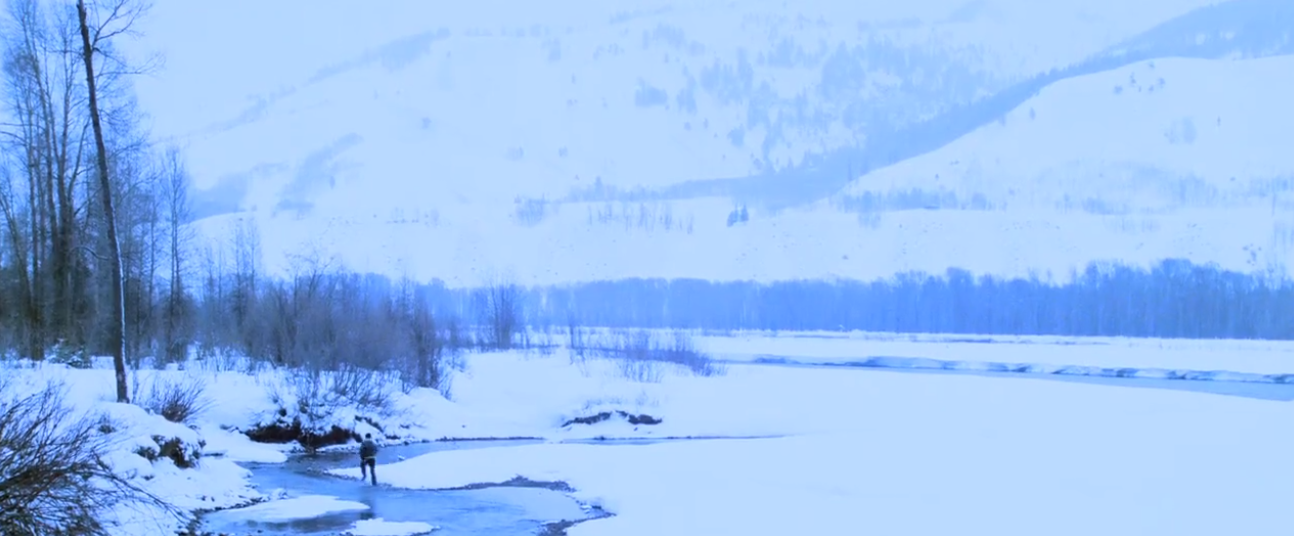
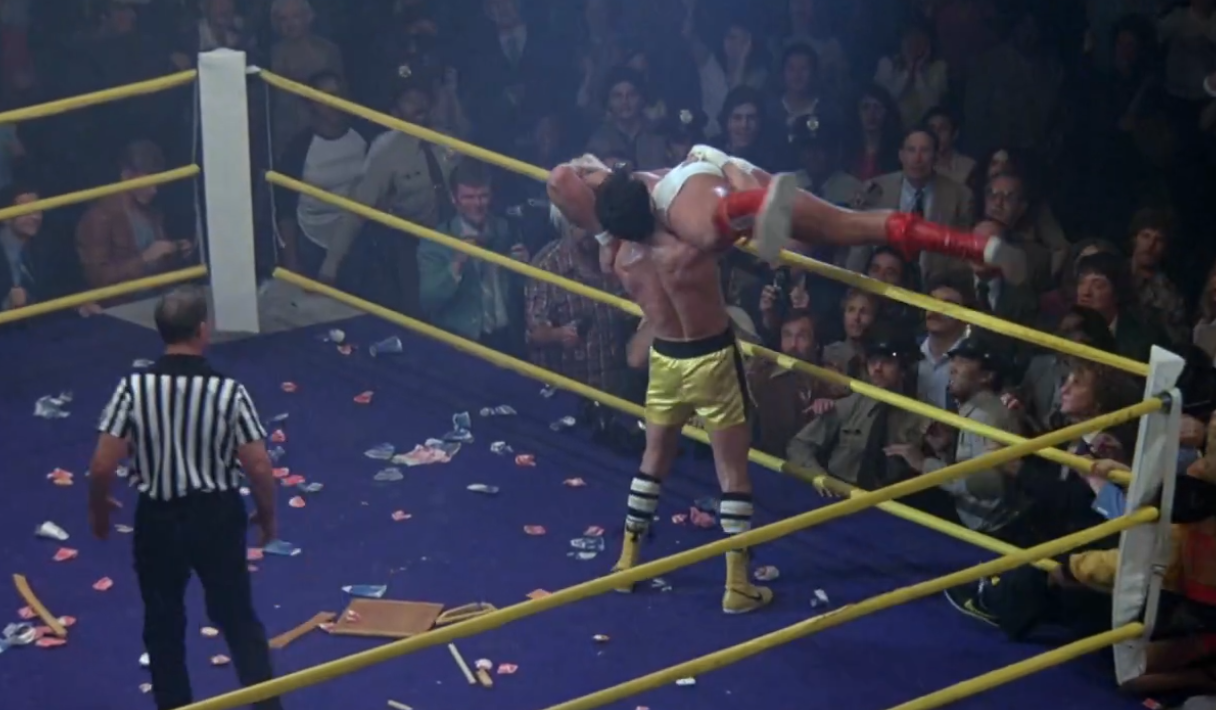
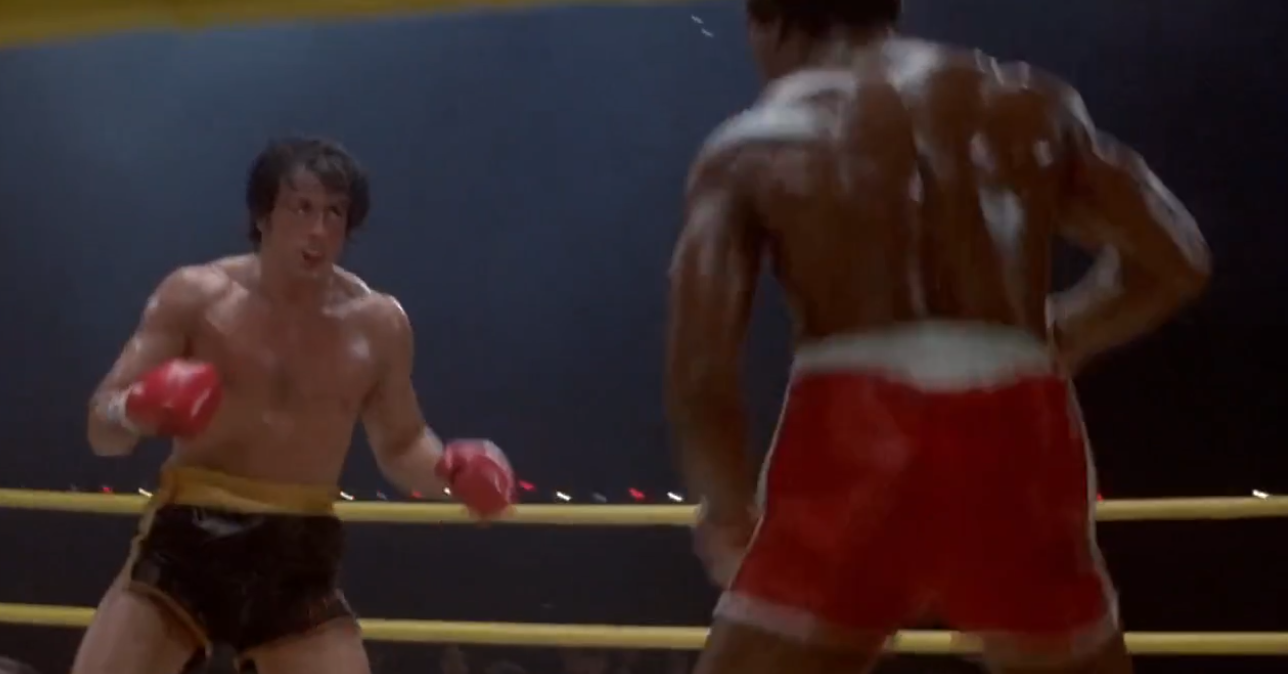
Response to Peary’s Review: He further points out the “lazy” dialogue, noting that “conversations between Rocky and wife Adrian (Talia Shire) have reached the point where long sentences last five simple words” (he’s overexaggerating to make his point), and that since “she has nothing to say,” she simply “smiles, looks worried, [and] looks pained.” Most egregiously, Peary writes, “Stallone’s direction has also become lax, so that his film is comprised of many montages with blaring music in the background” with each “equivalent to a rock video” which “could be shown intact as just that.” (According to IMDb, one calculation found that 31.9% of the movie consists of montages!) These are either flashbacks to the earlier films in the series, or laughably simplistic comparisons between Rocky’s training style (in the harsh environs of the Russian landscape — actually filmed in Wyoming) and Drago’s “high tech” indoors training, surrounded by his support team. Peary points out that “at least Drago — a sort of handsome, icier version of Richard Kiel’s ‘Jaws’ – is a more than satisfyingi villain” who “it’s a pleasure” to see Rocky ripping into. There’s not much more to say about this one except that it did really well at the box office; won 5 Razzies (and was nominated for 4 more); and was re-released as a director’s cut (entitled Rocky IV: Rocky vs. Drago) in 2021. Notable Performances, Qualities, and Moments: Must See? Links: |
“You ain’t been hungry since you won that belt.”
|
Synopsis: |
|
Genres, Themes, Actors, and Directors:
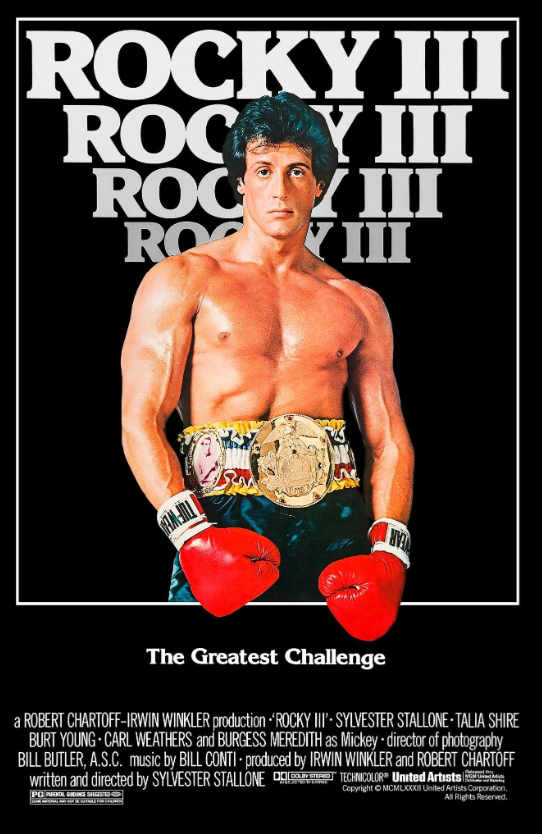
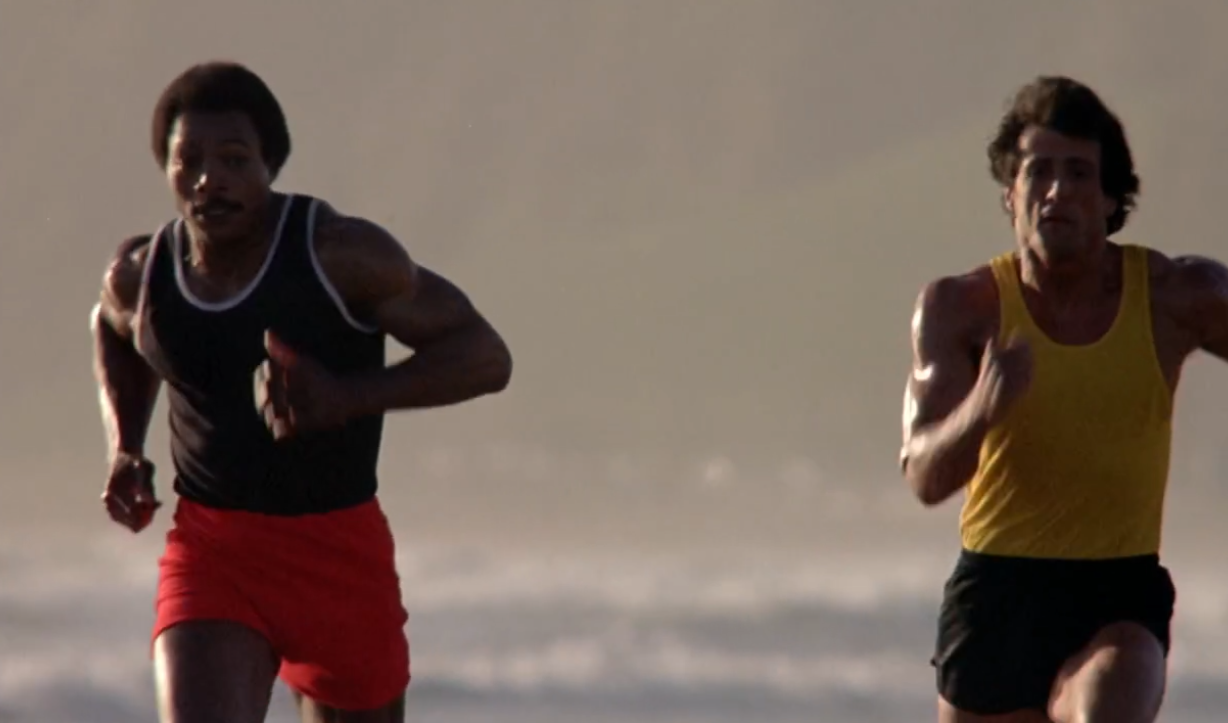
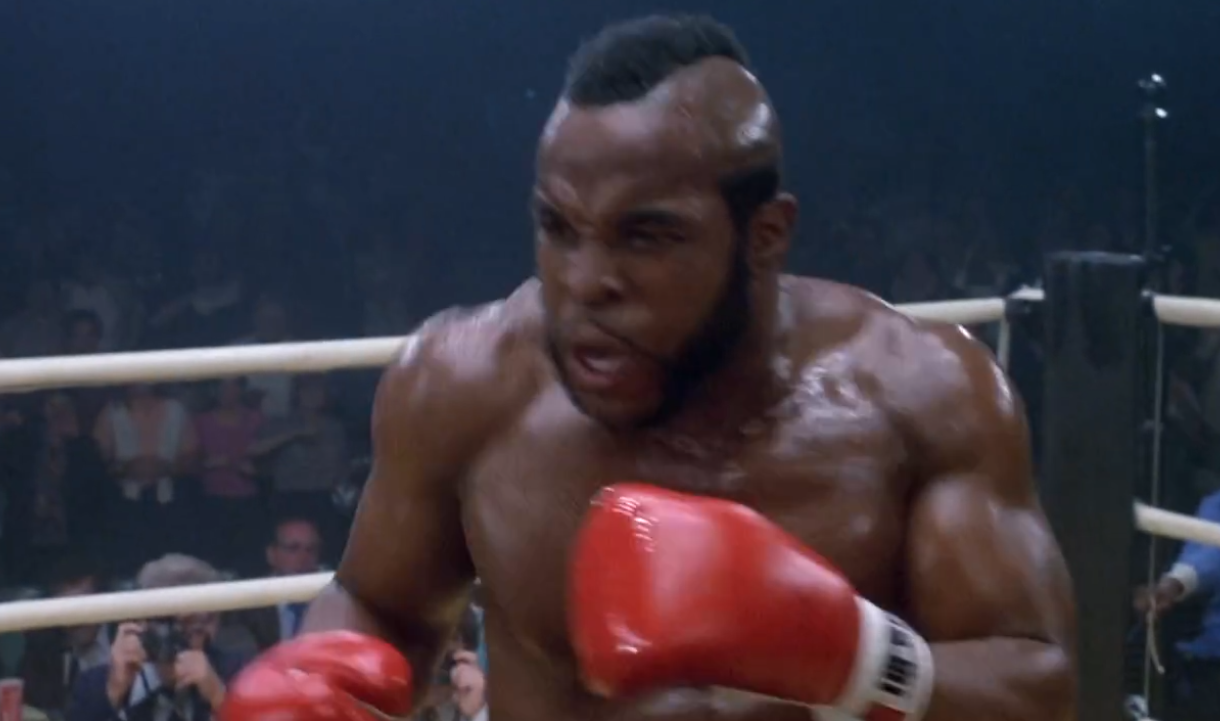
Response to Peary’s Review: Peary’s right that there’s not much else to say about this innocuous third installment, other than that it’s good to see Weathers and Stallone teaming up: … it’s easy to see why Mr. T. got a TV deal: … and there’s a silly early sequence in which Hulk Hogan appears to thoroughly thrash Stallone, only for Stallone to suddenly turn things around. Notable Performances, Qualities, and Moments: Must See? Links: |
“Why don’t you be smart and fight again?”
|
Synopsis: |
|
Genres, Themes, Actors, and Directors:
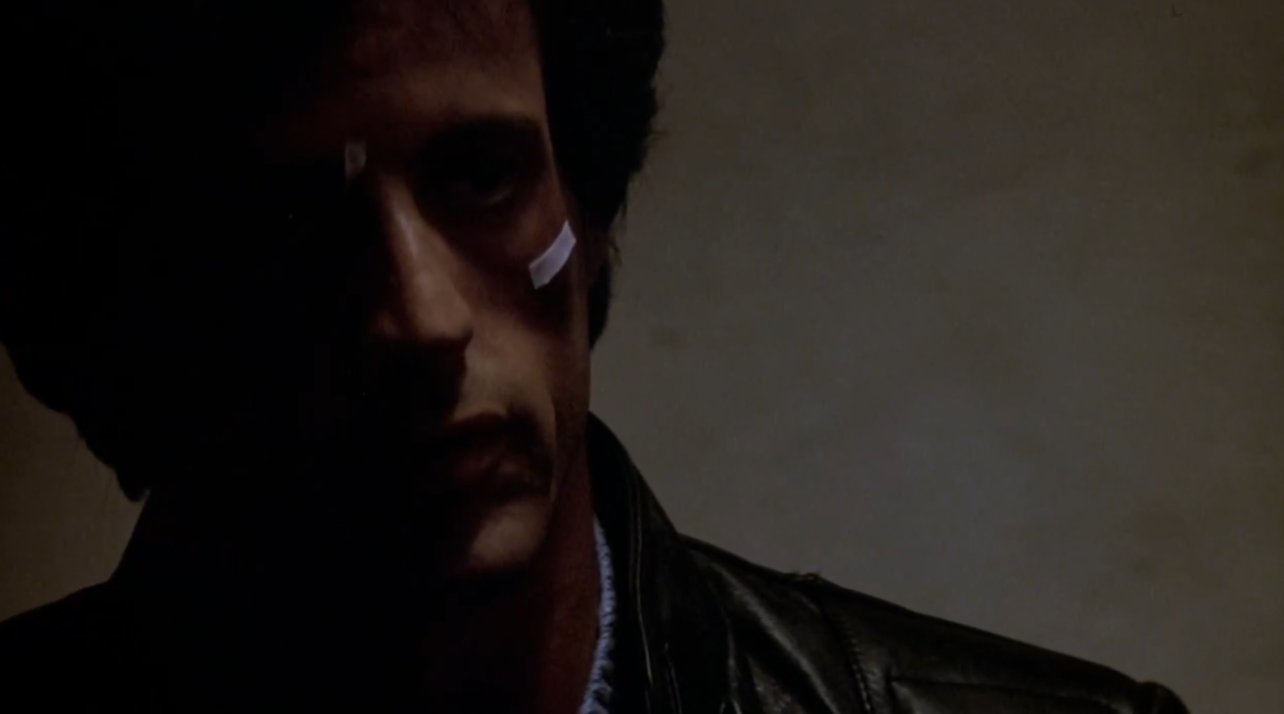
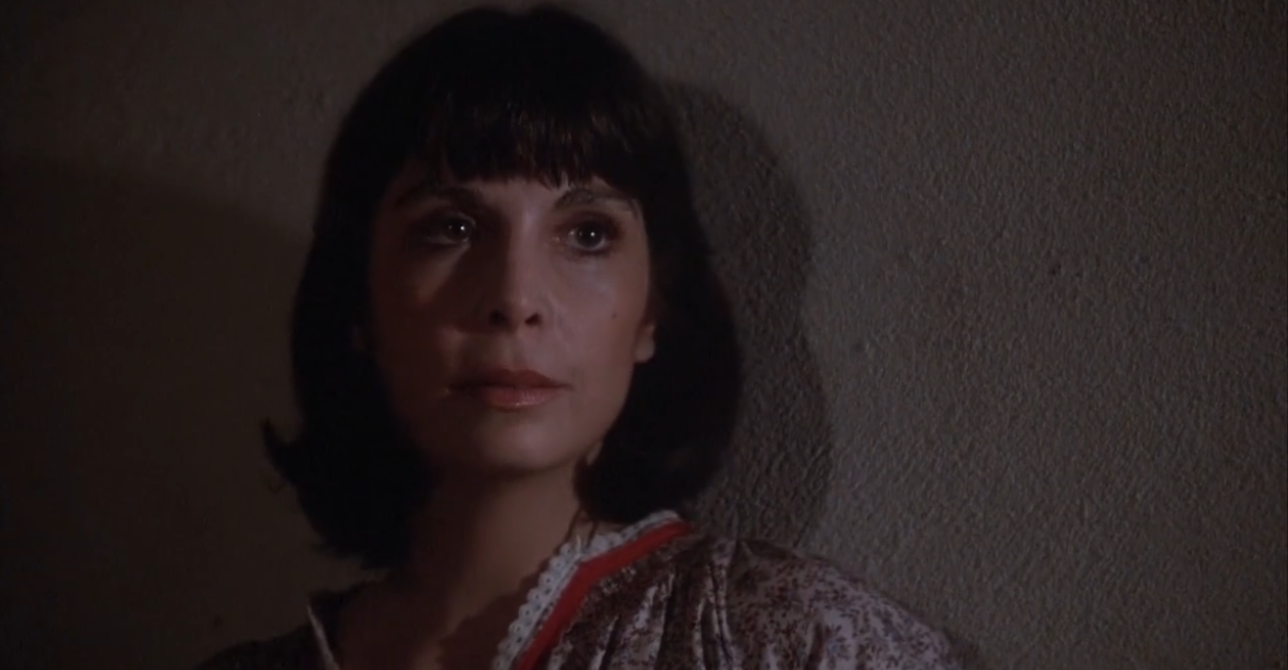
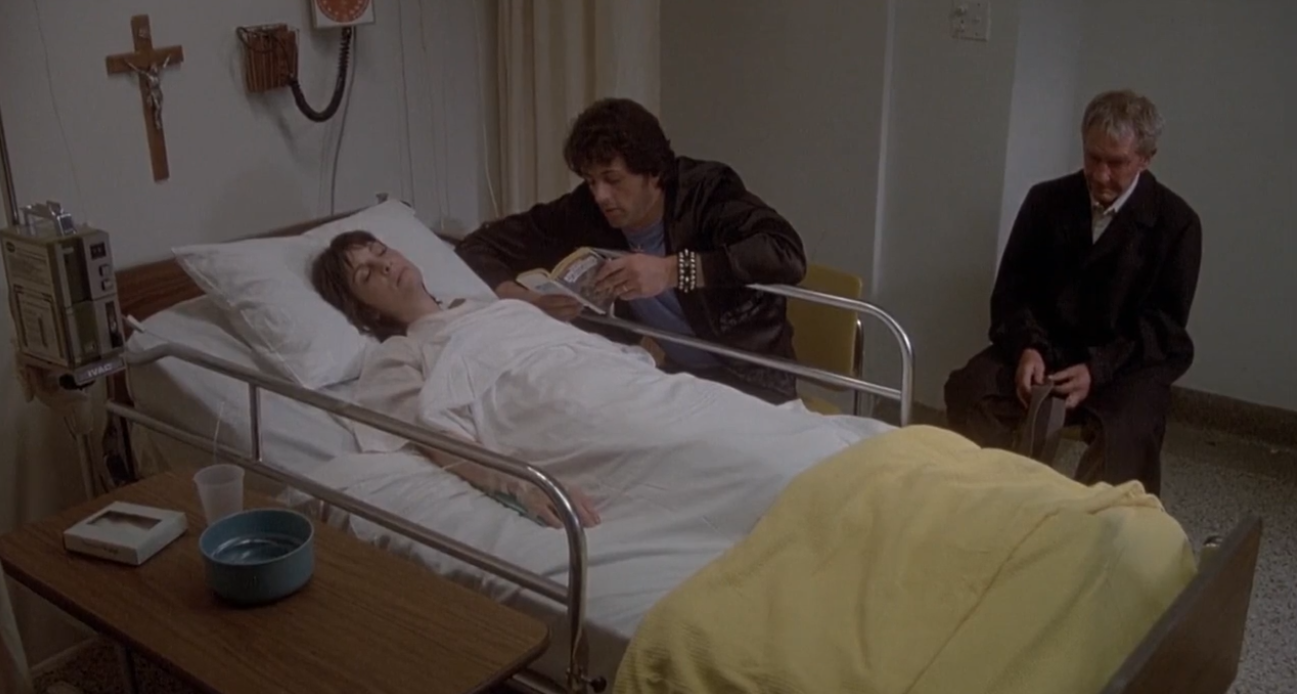
Response to Peary’s Review: … but “what’s most interesting is the relationship between Rocky and Adrian… Although she still can’t bear to watch him fight, she becomes his partner (rare for a woman in a boxing film) and the person who gives him the necessary motivation to… make the most of his life.” With that said, you’ll most definitely “have a hard time putting up with director-writer Stallone pulling your emotional strings by subjecting Adrian to a hemorrhage and lengthy deathbed stay, from which” SPOILER “she recovers because of Rocky’s prayers.” Indeed, the flaws and limitations of Stallone’s writing style — not to mention his strong Christo-patriarchal leanings — are much more evident this time around, as he attempts to provide a framework for essentially re-offering the same movie with just a few twists; everything viewers loved about the first movie is brought back for a second run, including starting with its final fight scene. With that said, lovers of Rocky and his entourage will likely enjoy a chance to spend more time with them (and to experience his inevitable success after adversity) — but this film hasn’t held up well as an essential sequel on its own. Notable Performances, Qualities, and Moments: Must See? Links: |
“All I wanna do is go the distance.”
|
Synopsis: |
|
Genres, Themes, Actors, and Directors:
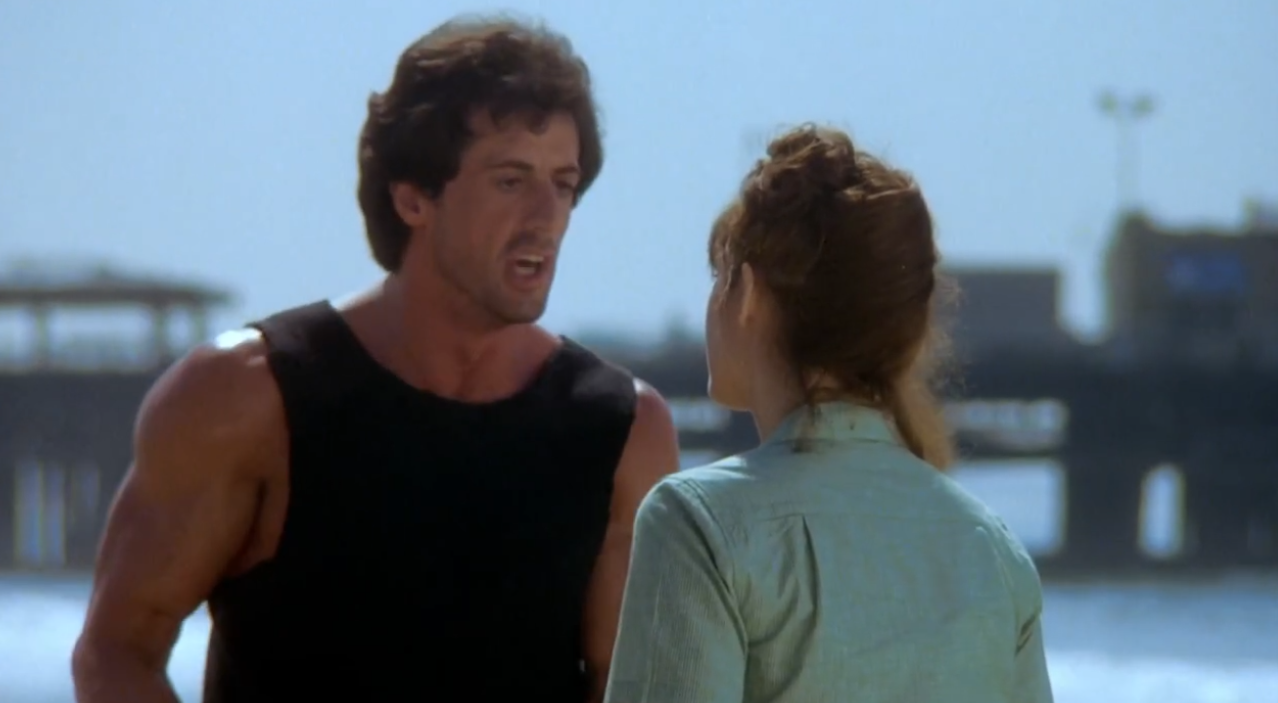
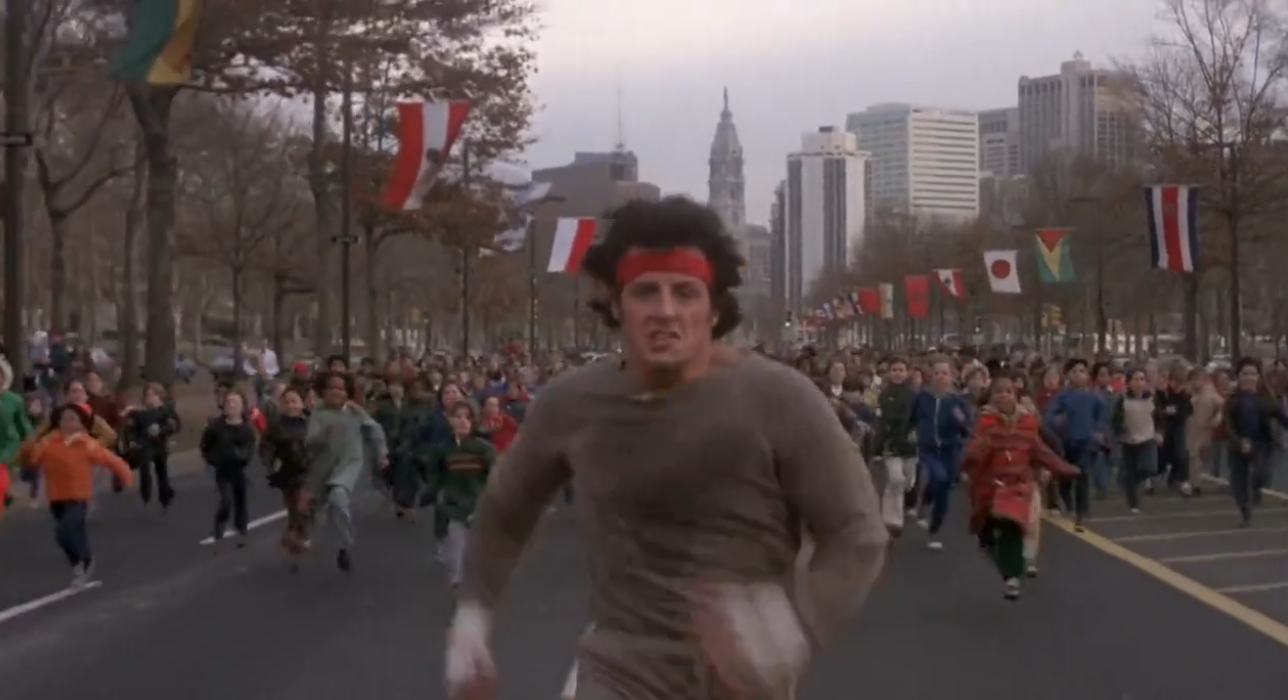
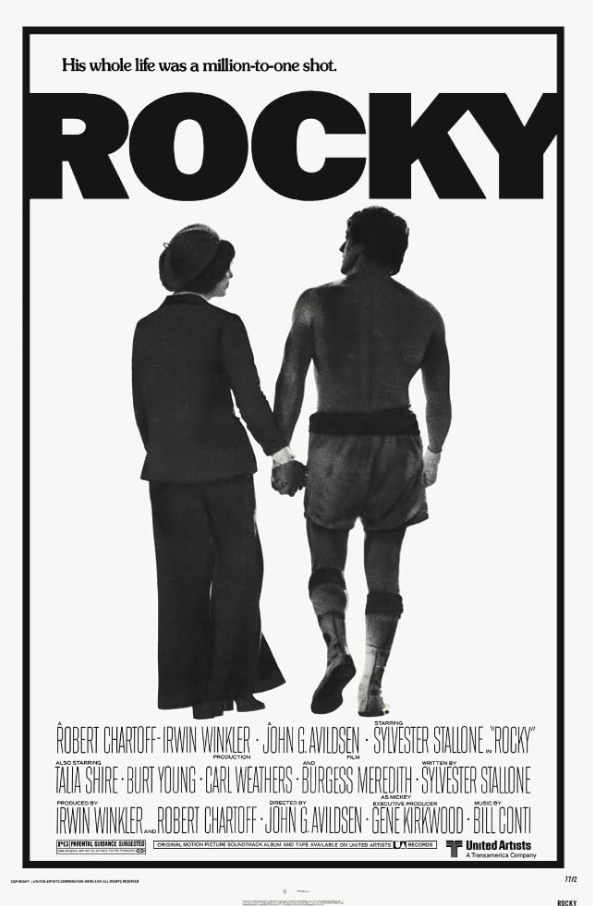
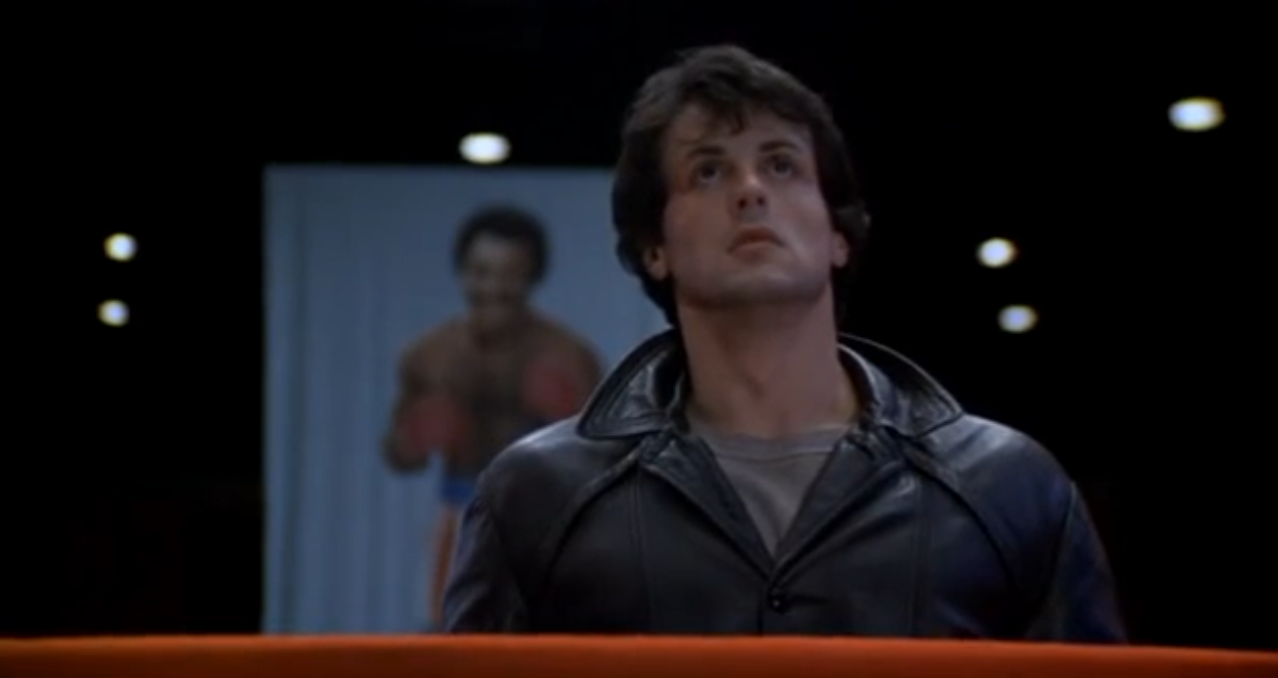
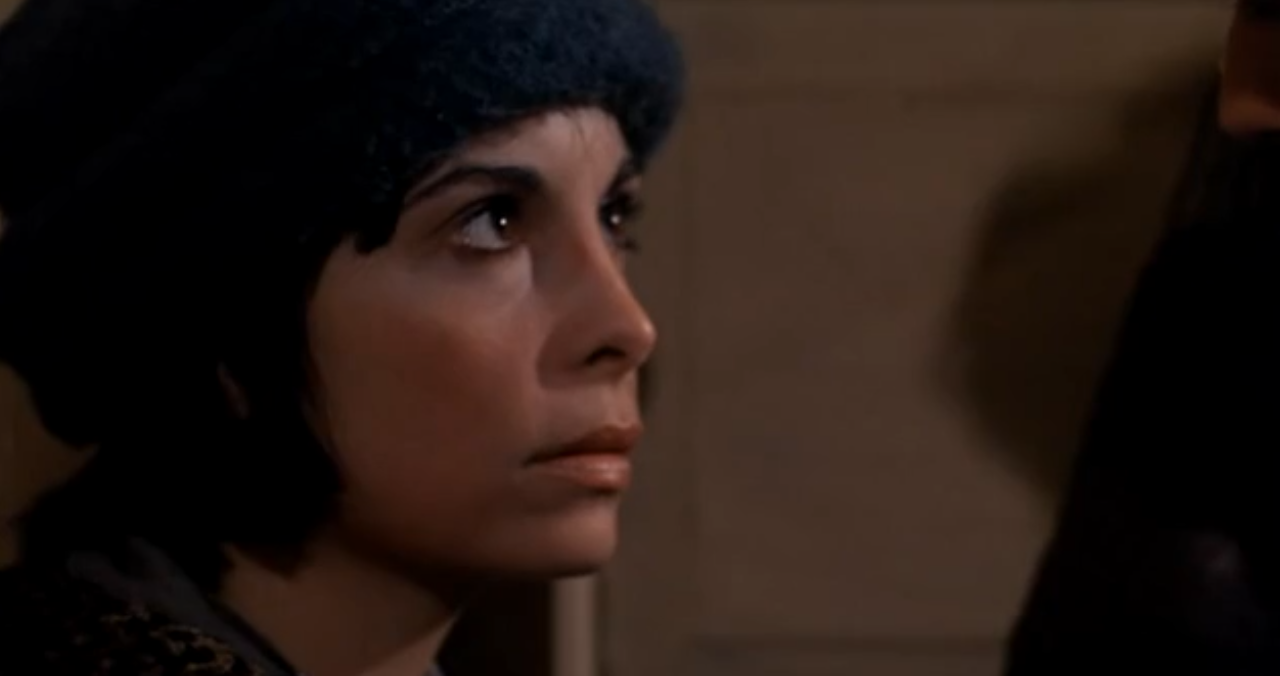
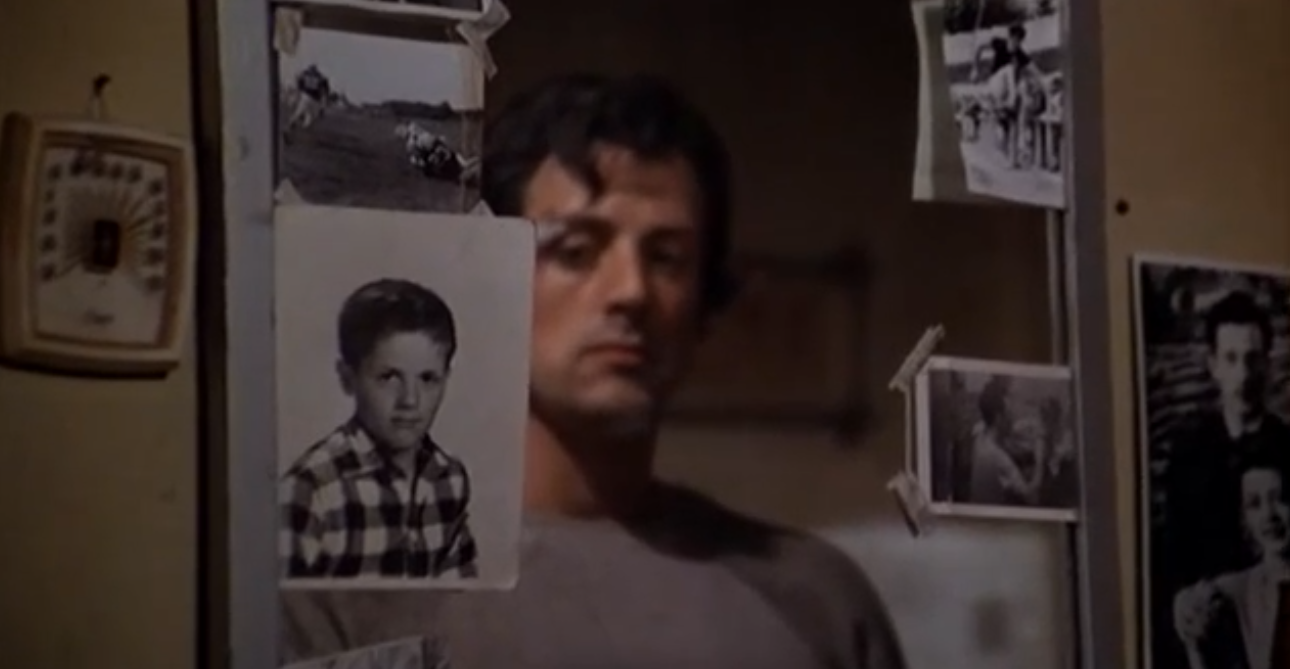
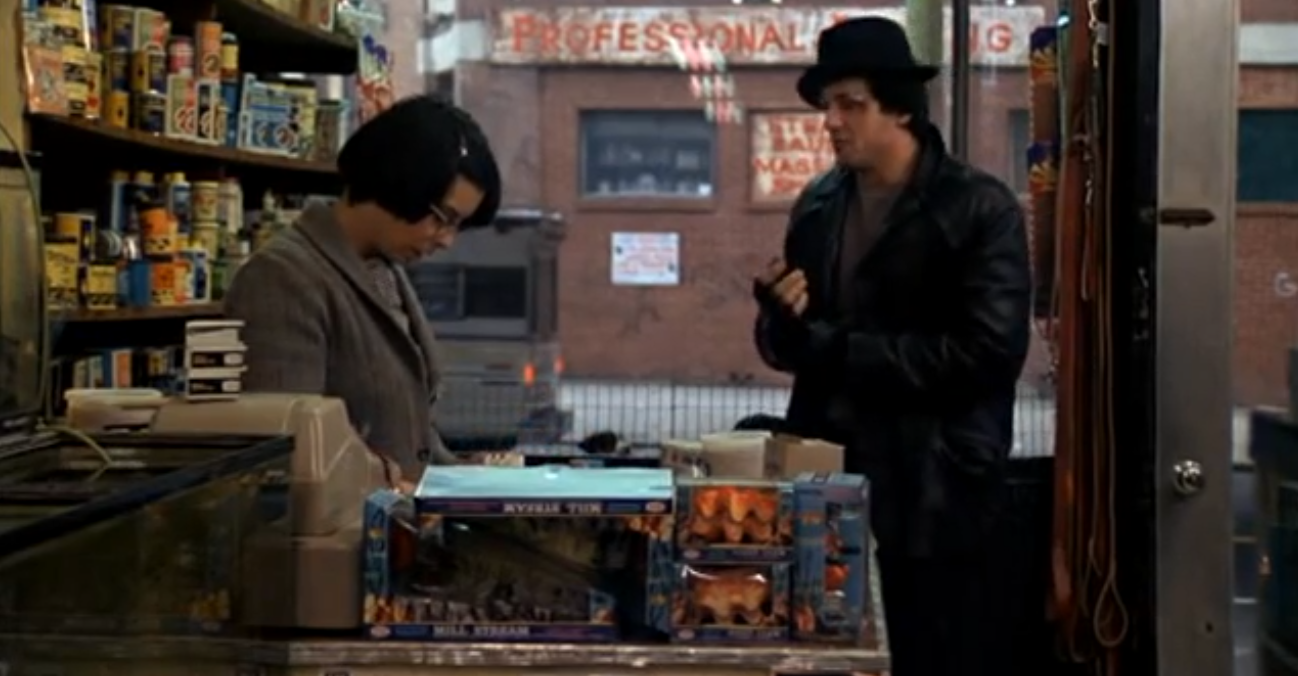
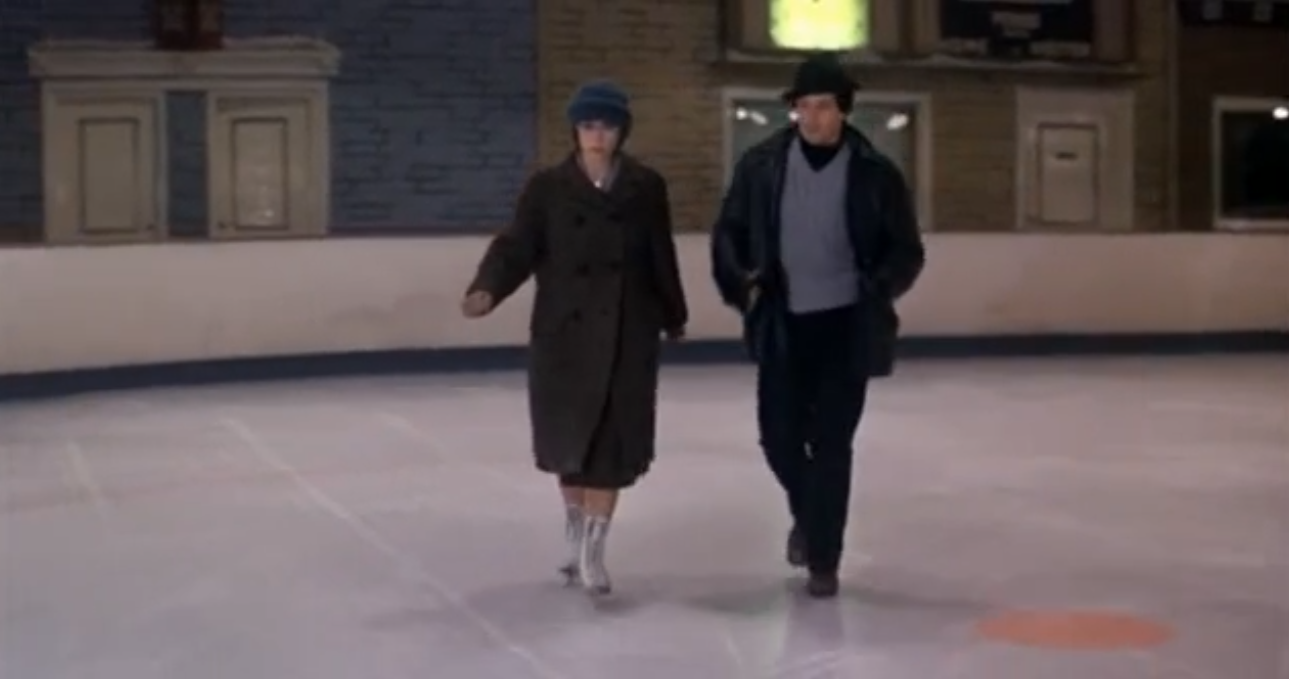
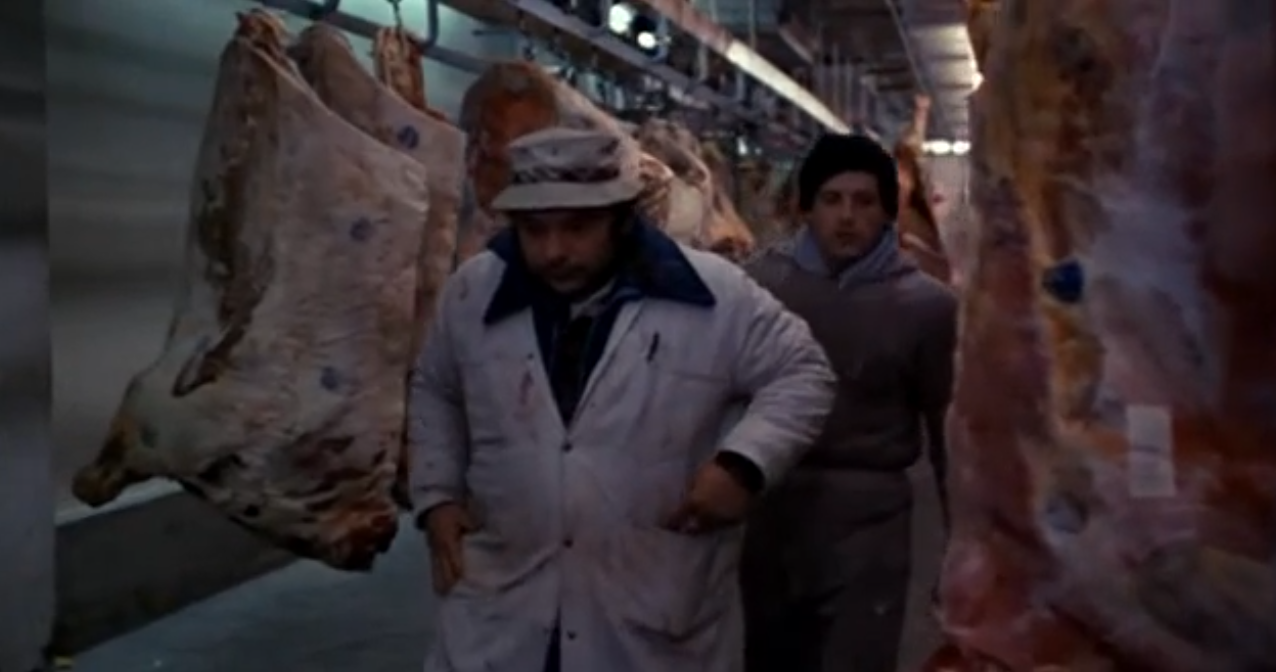
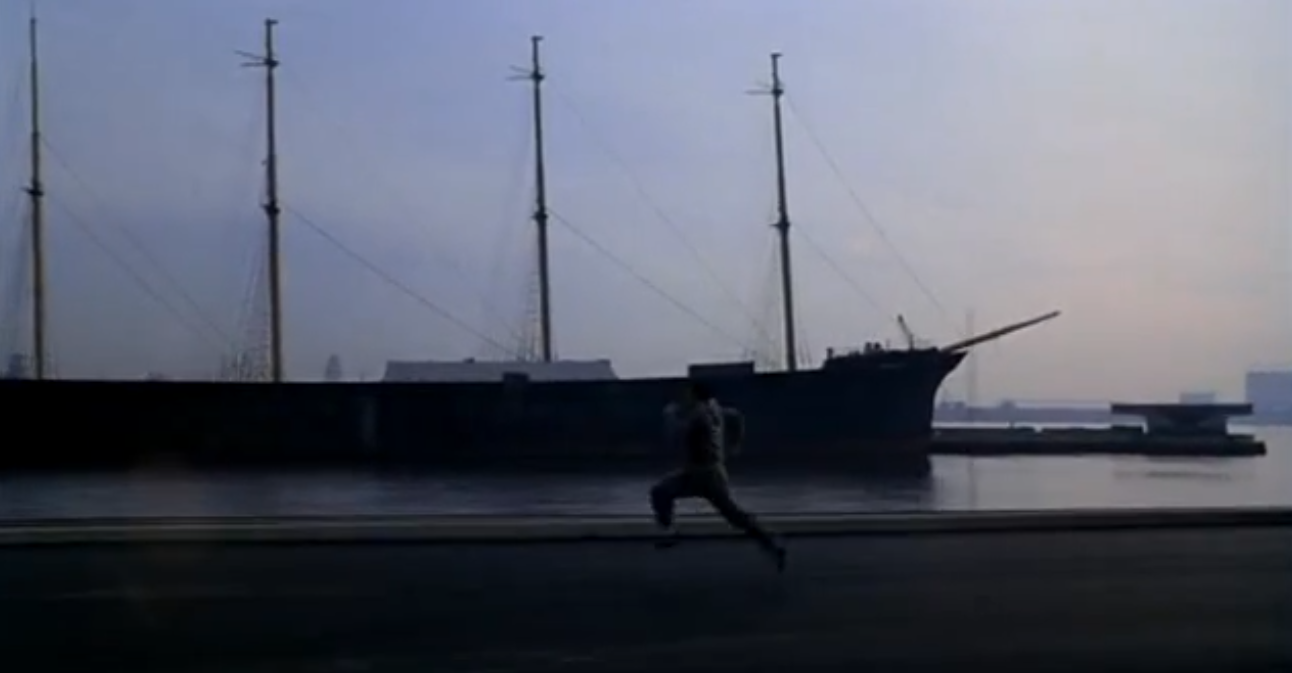
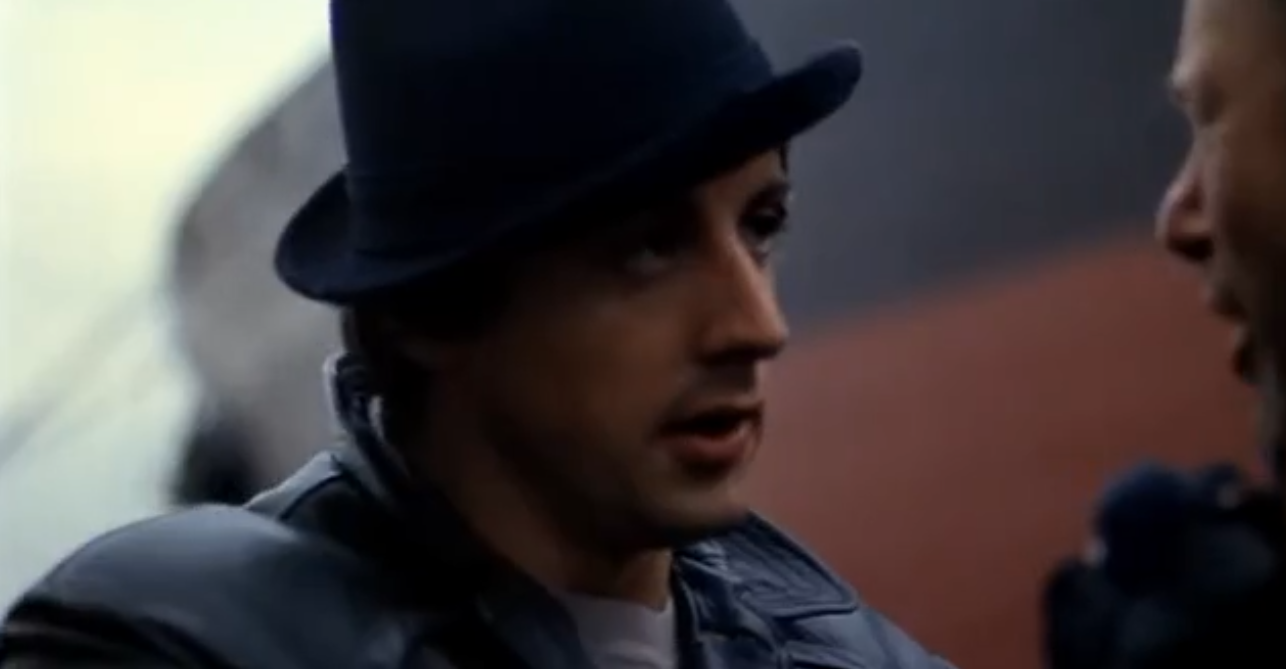
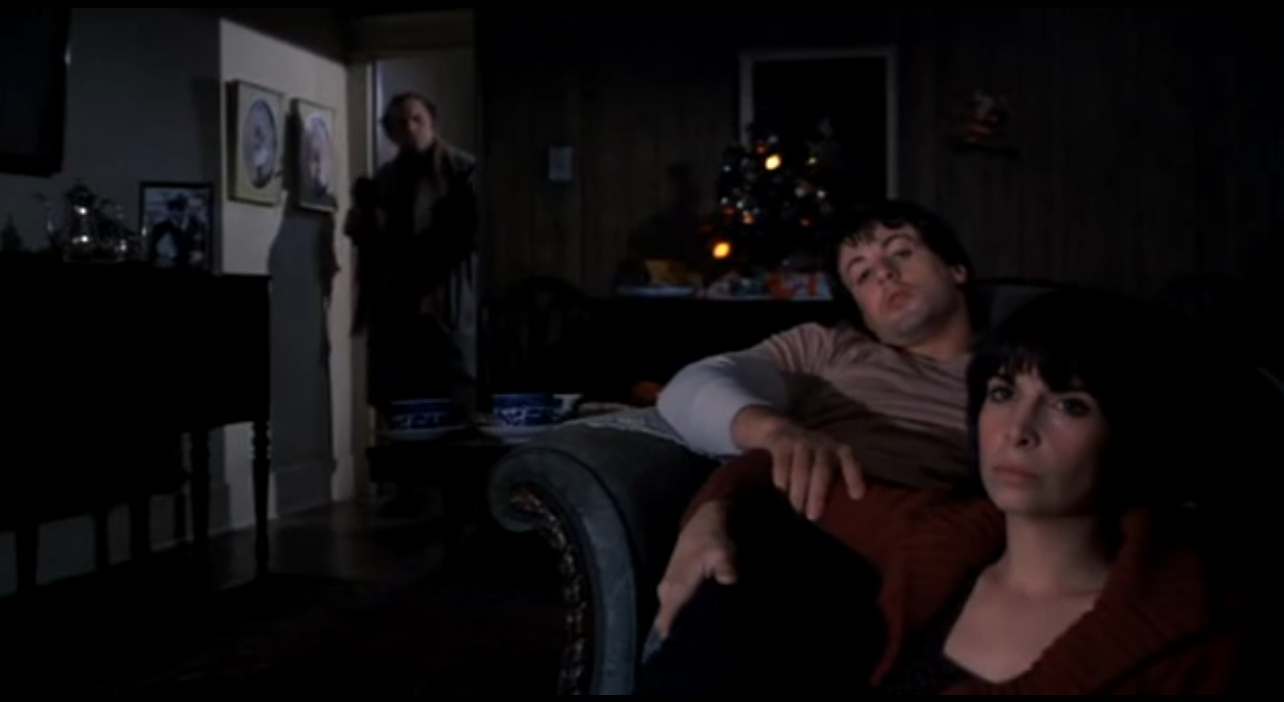
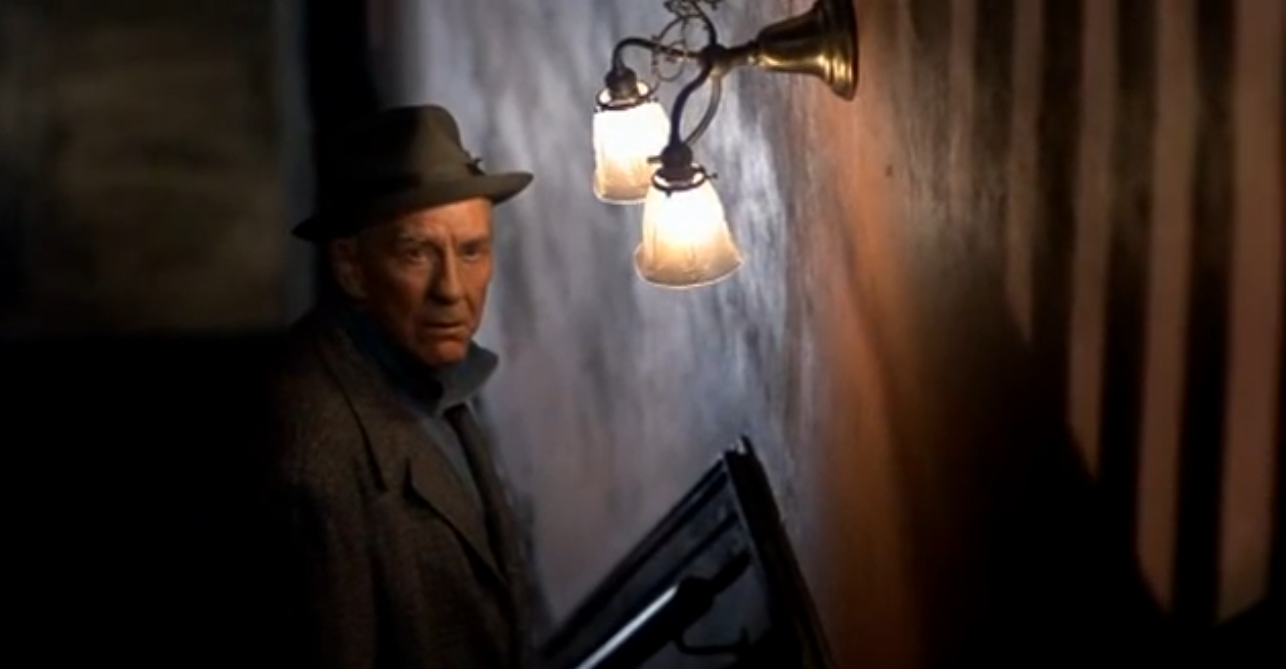
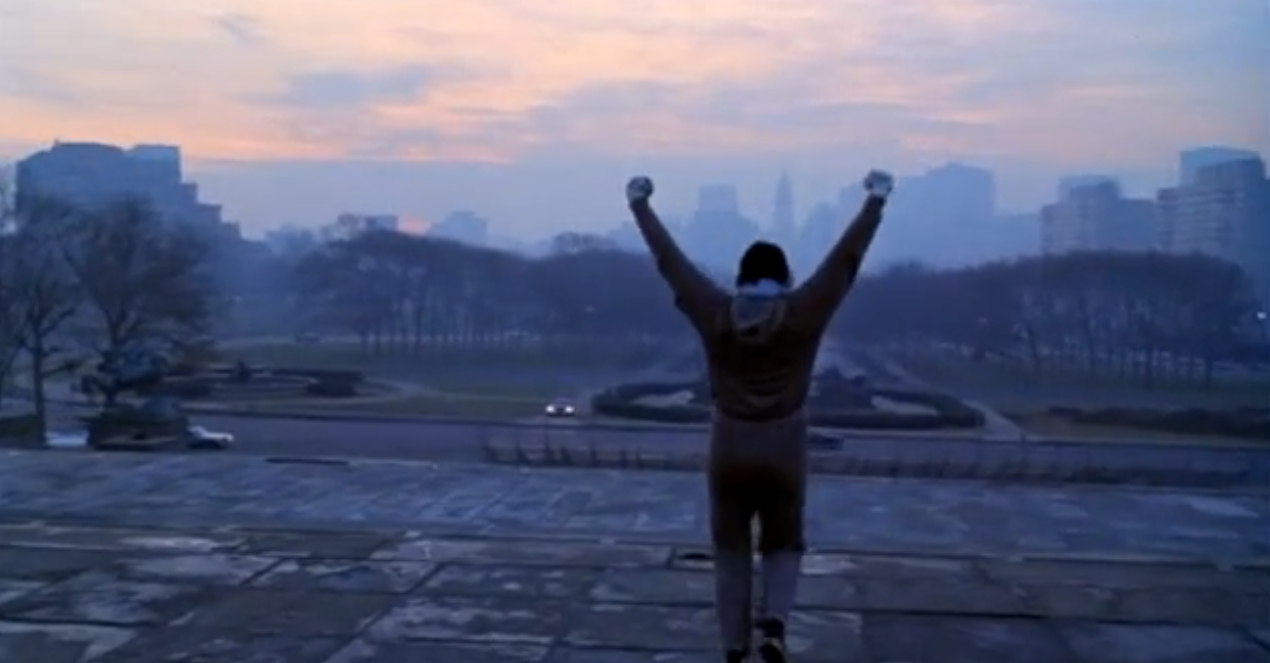
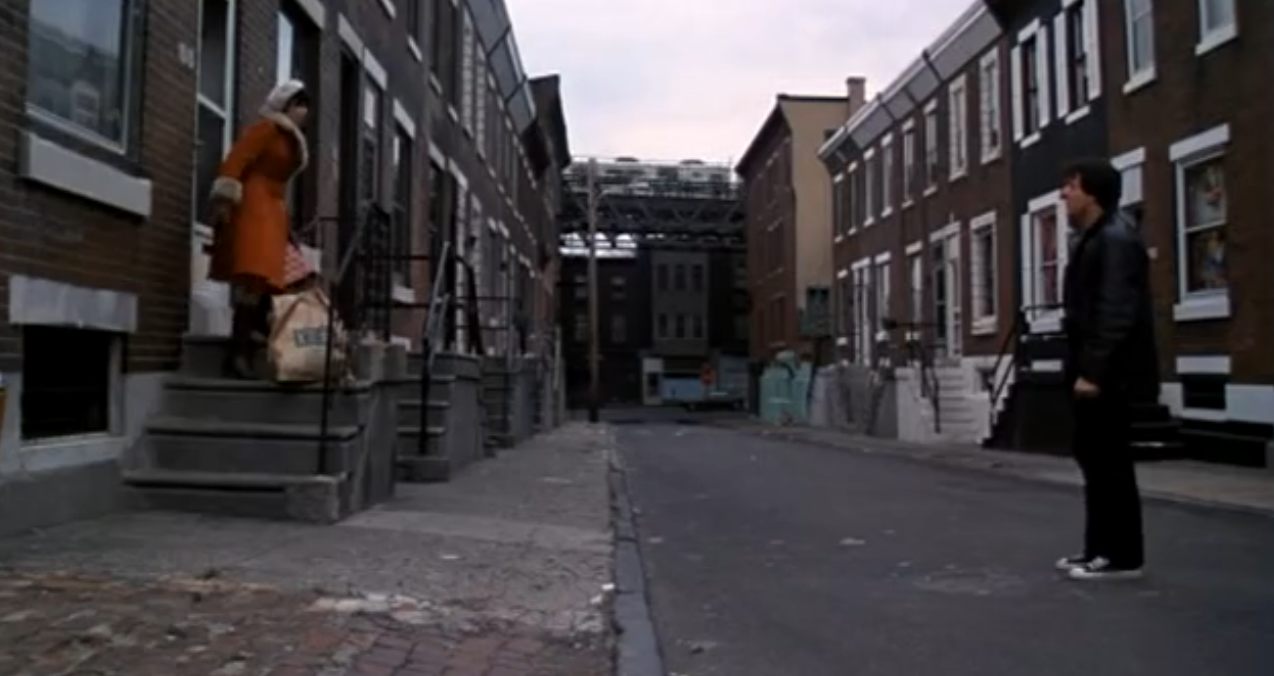
Response to Peary’s Review: He notes that while “we’ve overdosed on sequels” — Rocky II (1979), Rocky III (1982), and Rocky IV (1985) are all discussed in GFTFF — this original film “still holds up well and is guaranteed to produce cheers and tears” given that it shows an America in which “miracles do happen.” In describing the film’s first “Miracle,” Peary writes that Rocky’s courtship with “pretty but supershy Adrian (Talia Shire)” is “as touching as Paul Newman and Pier Angeli’s in Somebody Up There Likes Me” given that “they manage to build up each other’s self-respect, and soon they both realize that they aren’t losers.” The second “Miracle” occurs when Rocky is “offered a shot at the heavyweight title” by an “overconfident champ” and “decides to go for it.” Although nobody up until then has given him a chance, he demonstrates that by training and simply showing up, he can “become a hero to everyone who wants to rise above loser status.” I’m about to critically revisit all the Rocky sequels (and will hold nothing back in my thoughts on them), but will concede for now that this original entry remains authentically heartwarming and contains many special, memorable moments — including Rocky chatting awkwardly with Adrian at the local pet store: … Rocky and Adrian ice-skating in an empty rink on Thanksgiving while their high-cost ten minutes are counting down: … Rocky wandering with Young through the aisles of a meat processing plant which will soon turn into a ready-made gym: … and Rocky beginning his running regime along the streets of Philadelphia. It’s well worth a revisit, and deserves its status as an underdog breakthrough film for Stallone. Notable Performances, Qualities, and Moments:
Must See? Categories
(Listed in 1001 Movies You Must See Before You Die) Links: |
“If I fall, they’ll have to alter all the maps.”
|
Synopsis: |
|
Genres, Themes, Actors, and Directors:
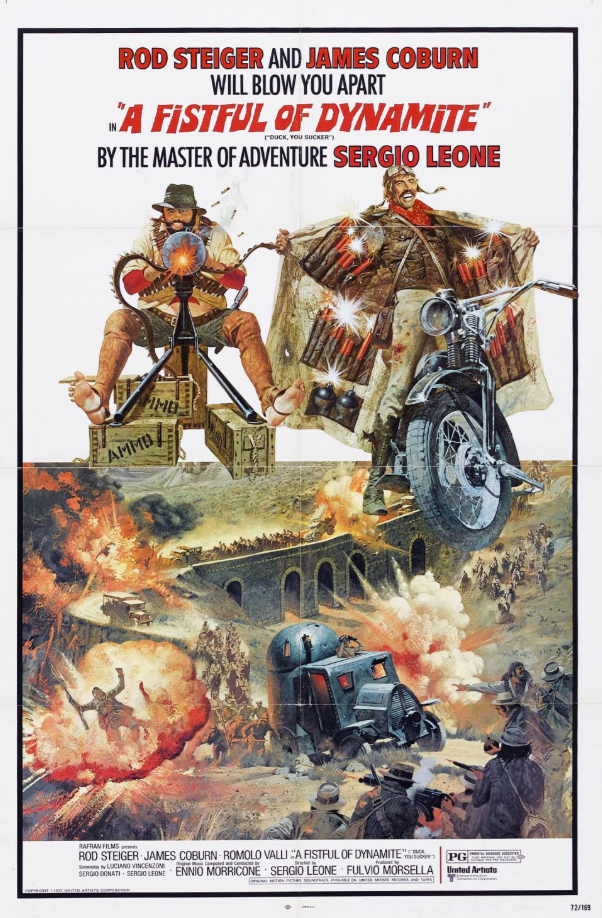
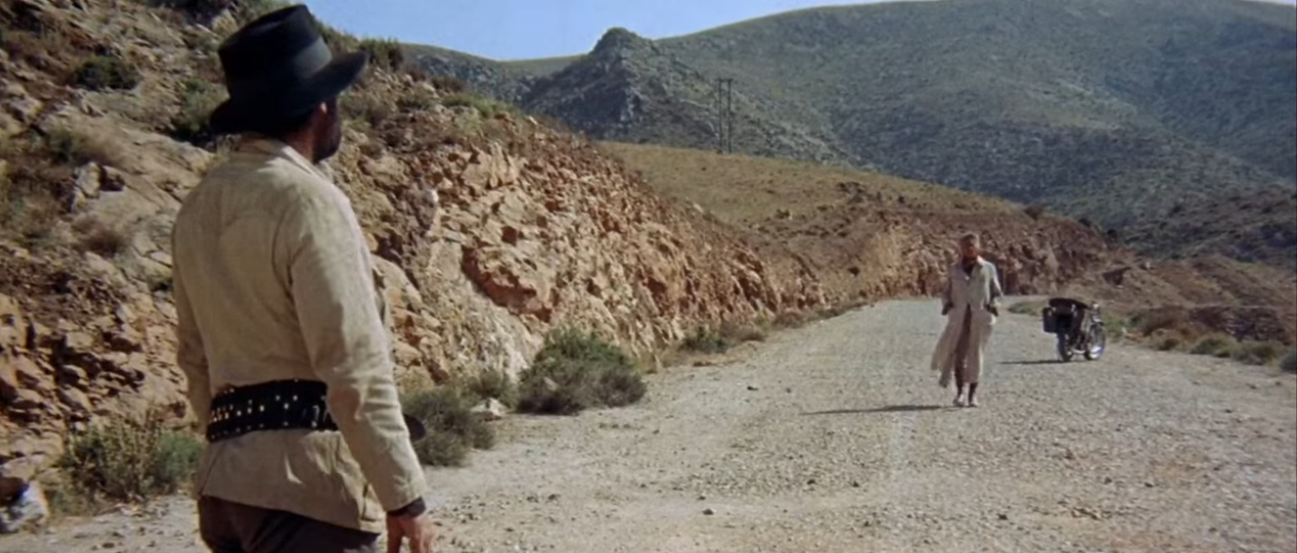
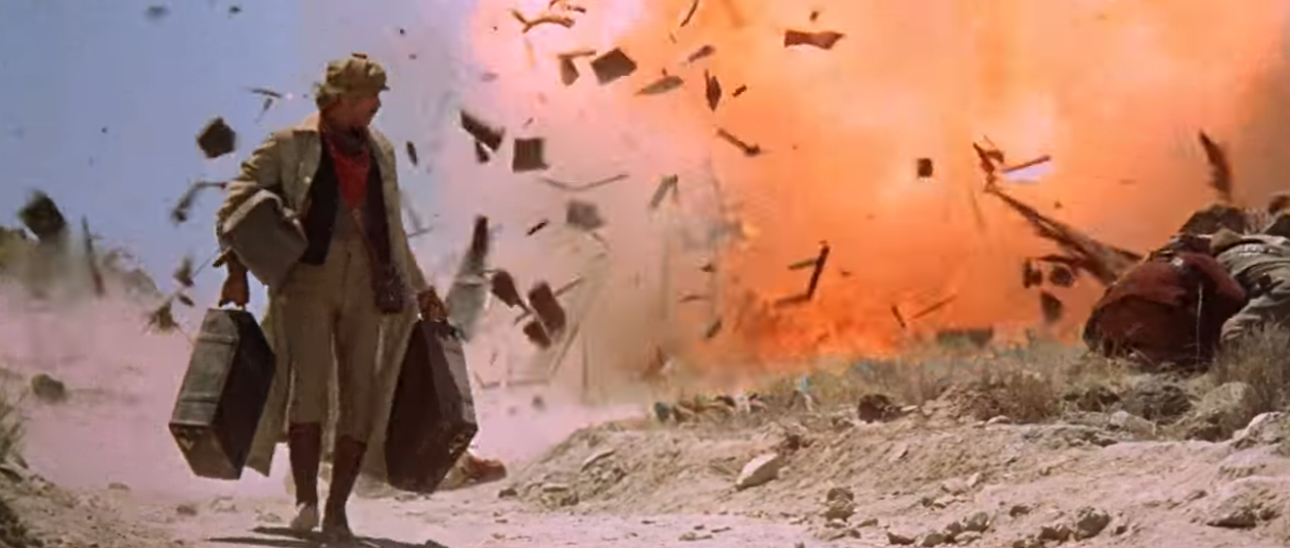
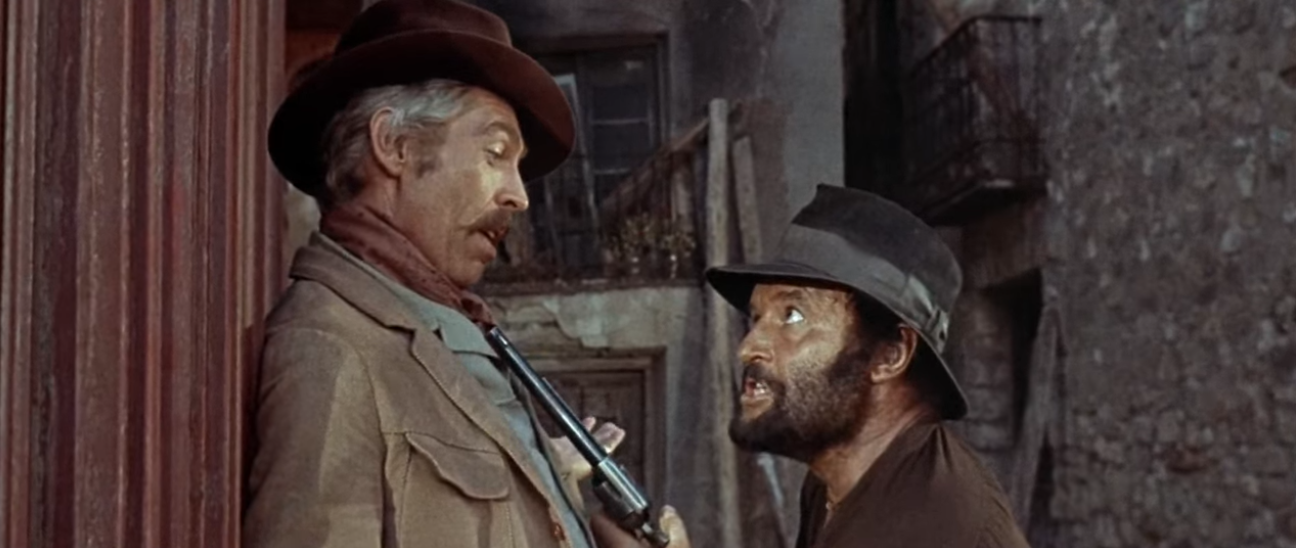
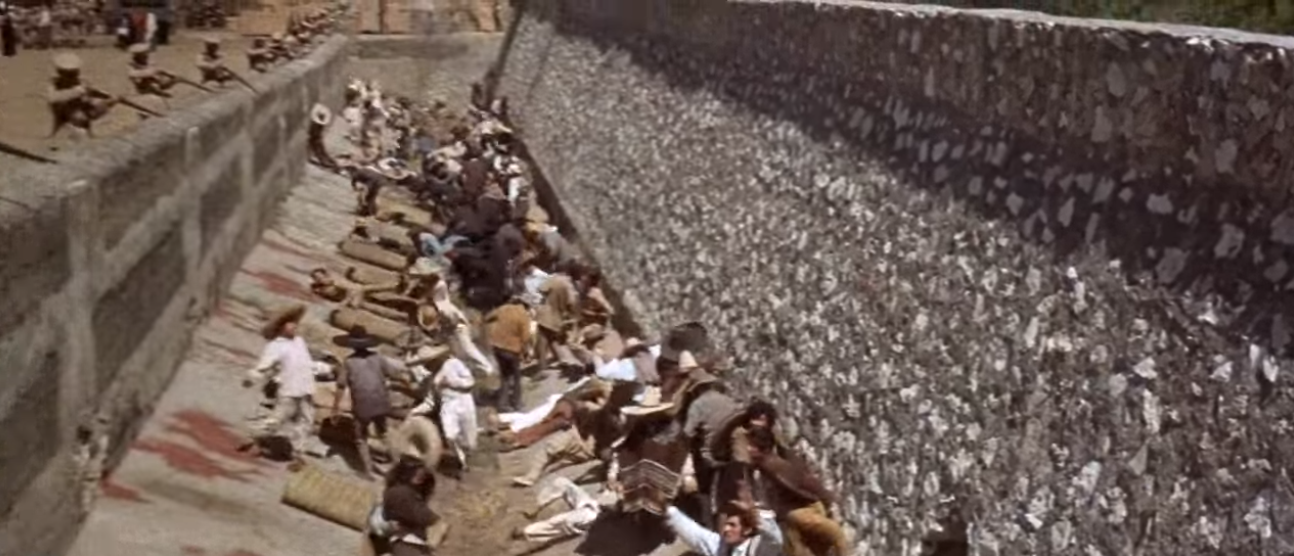
Review: After this, we learn a bit more about Coburn’s previous involvement in the IRA and a love triangle through intentionally slow-paced (occasionally slo-mo) flash-back sequences: … and we see how Steiger and Coburn (playing characters named “Juan” and “Sean” respectively — both variations on “John”) come to realize their mutual respect for one another. Everything is beautifully filmed, with strategic framing, excellent use made of extras and expansive sets, an instantly jaunty score by Ennio Morricone, and many effectively set up scenes of explosions. However, be forewarned that the storyline — intended to deglamorize revolution and reveal it as the violent, chaotic, corrupt mess it is (the film’s working title was Once Upon a Time… The Revolution) — goes on for too long and is challenging to follow at times. Leone fans won’t want to miss this one, but it’s not must-see for other film fanatics. Notable Performances, Qualities, and Moments:
Must See? Links: |
“I didn’t see a thing.”
|
Synopsis: |
|
Genres, Themes, Actors, and Directors:
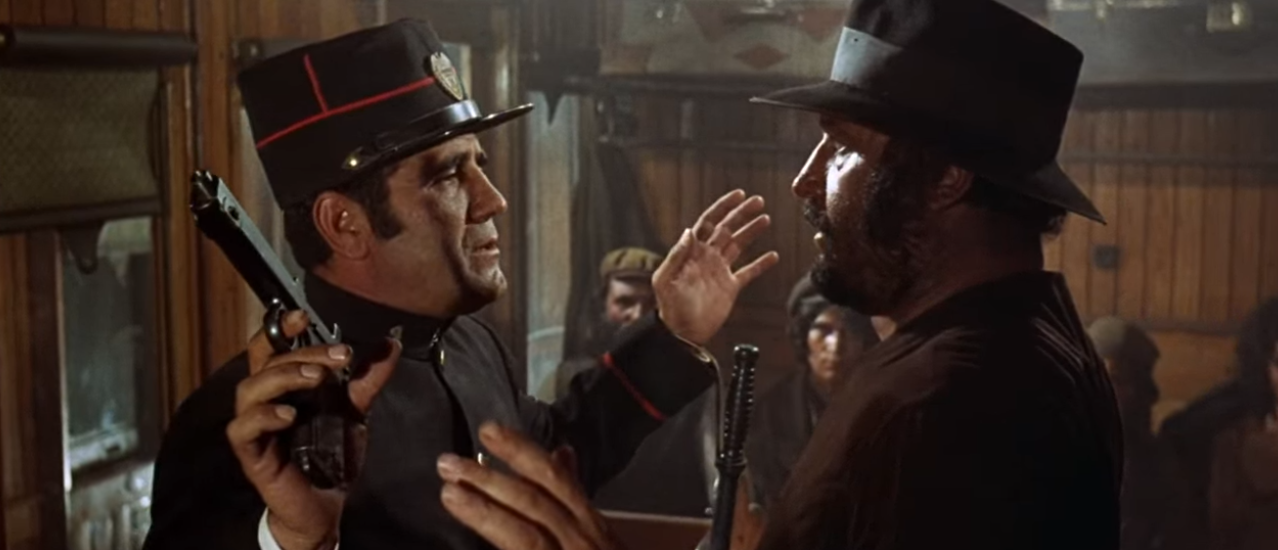
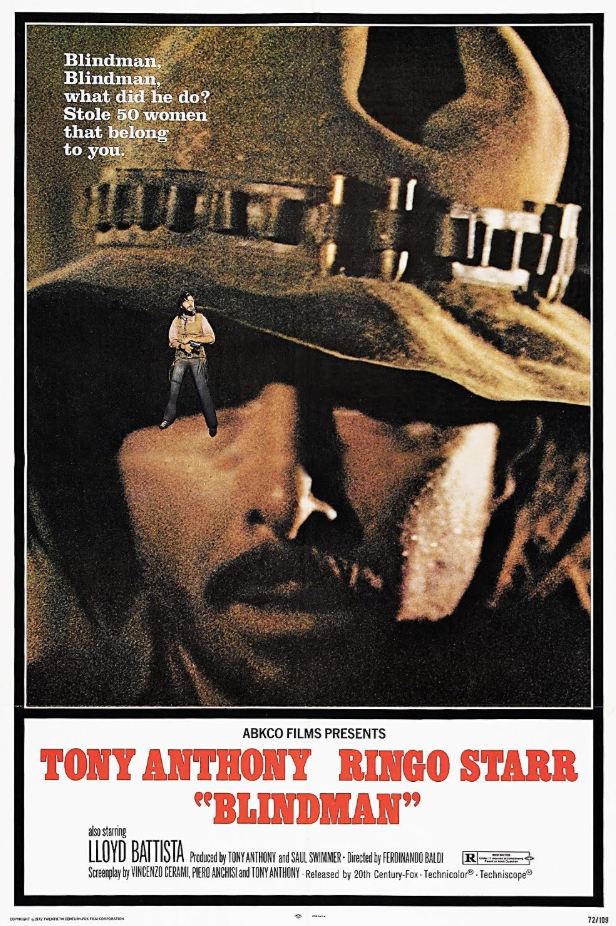
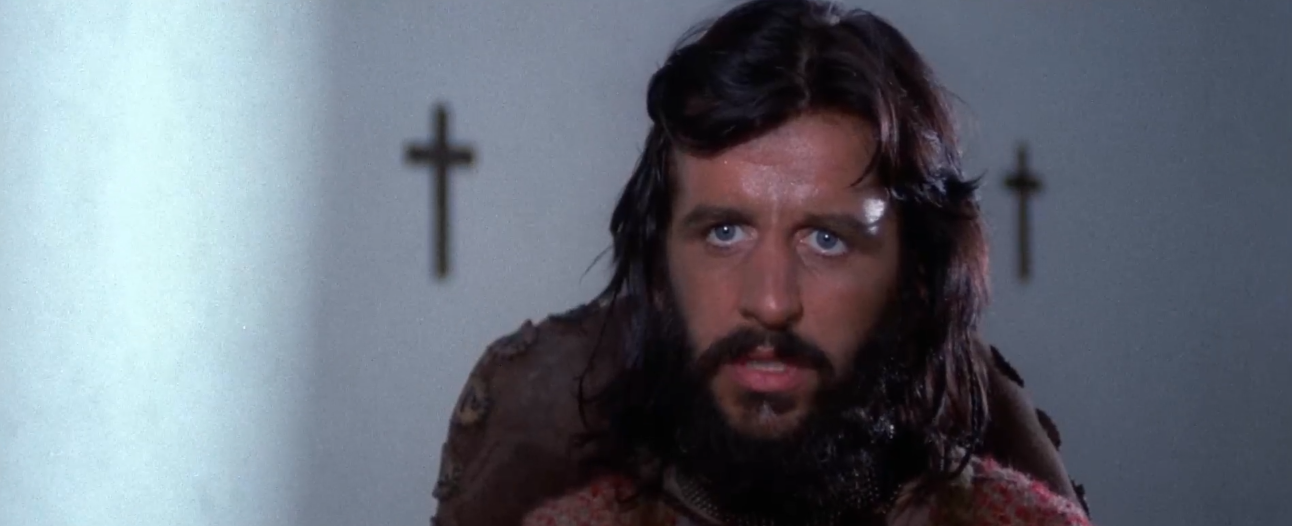
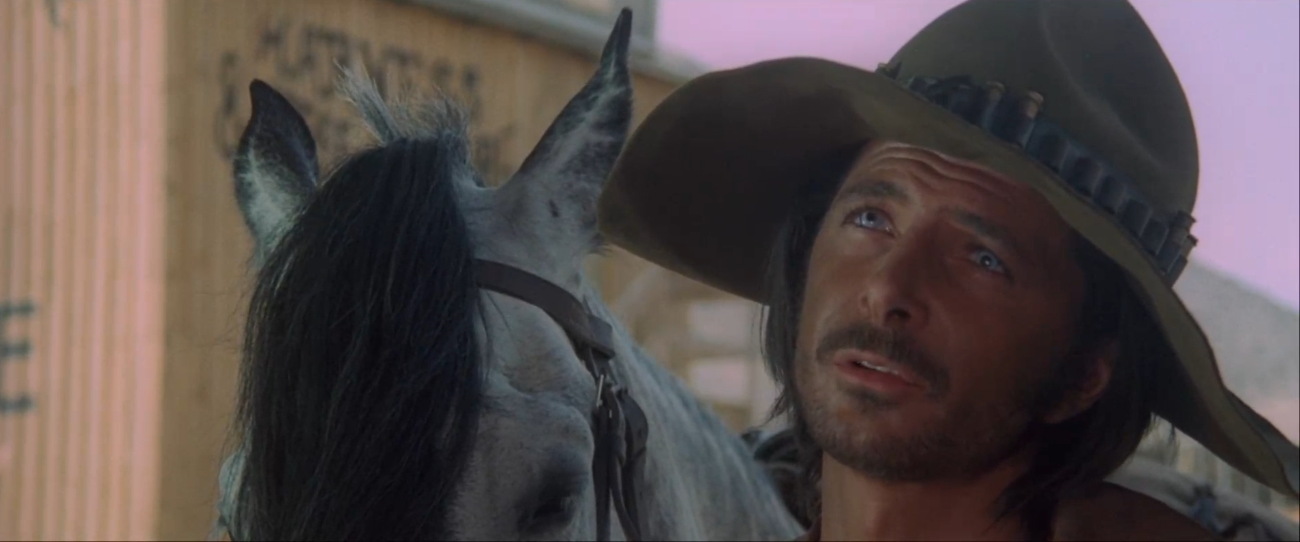
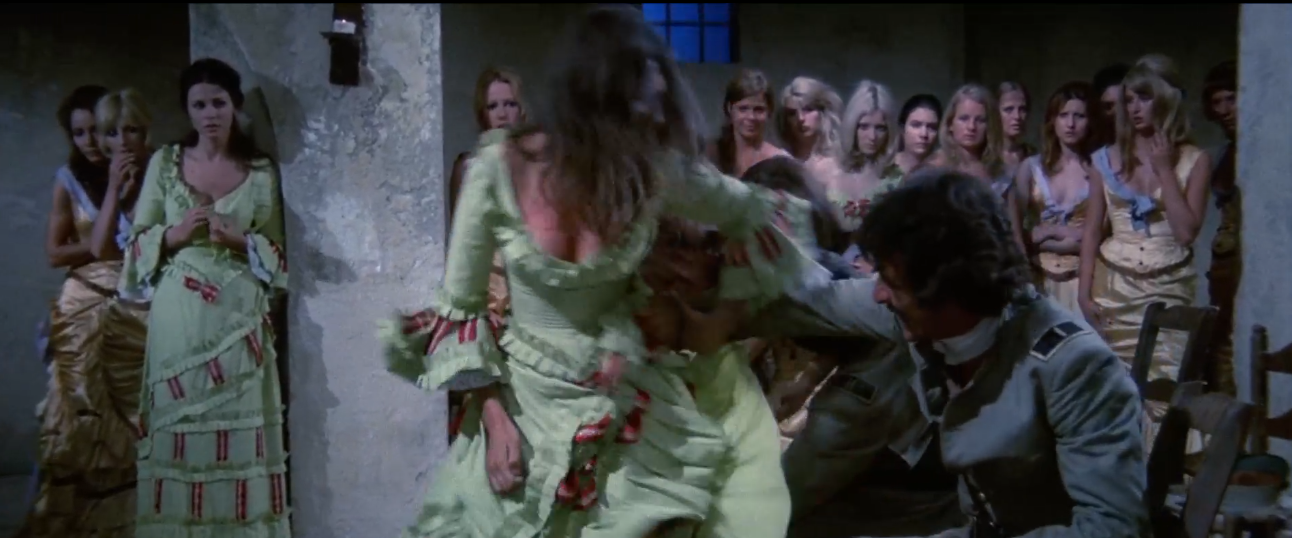
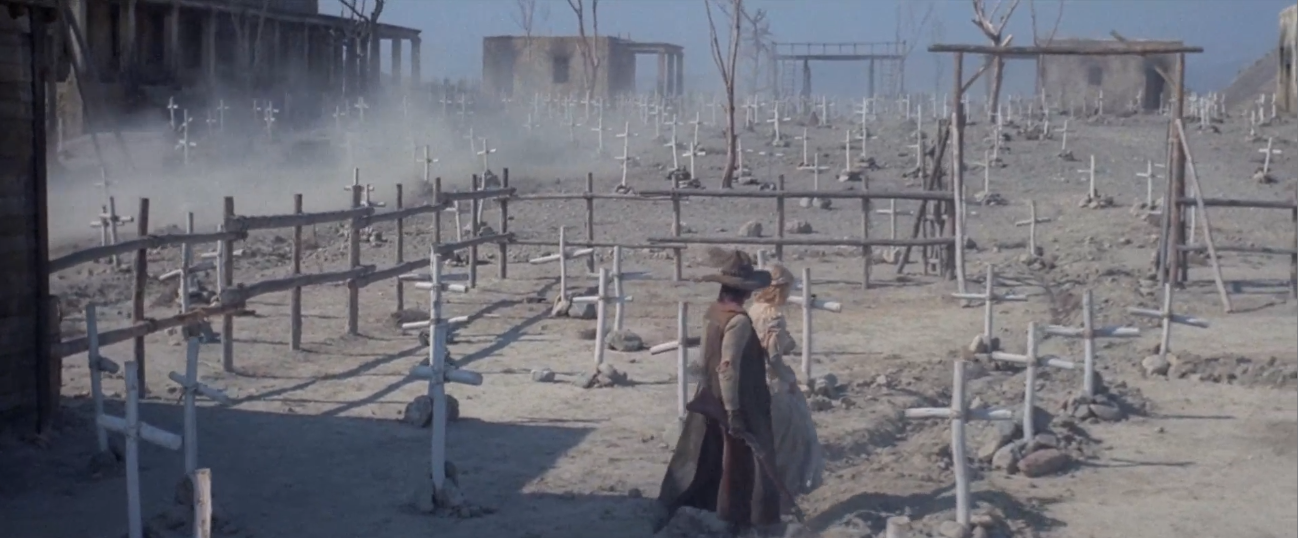
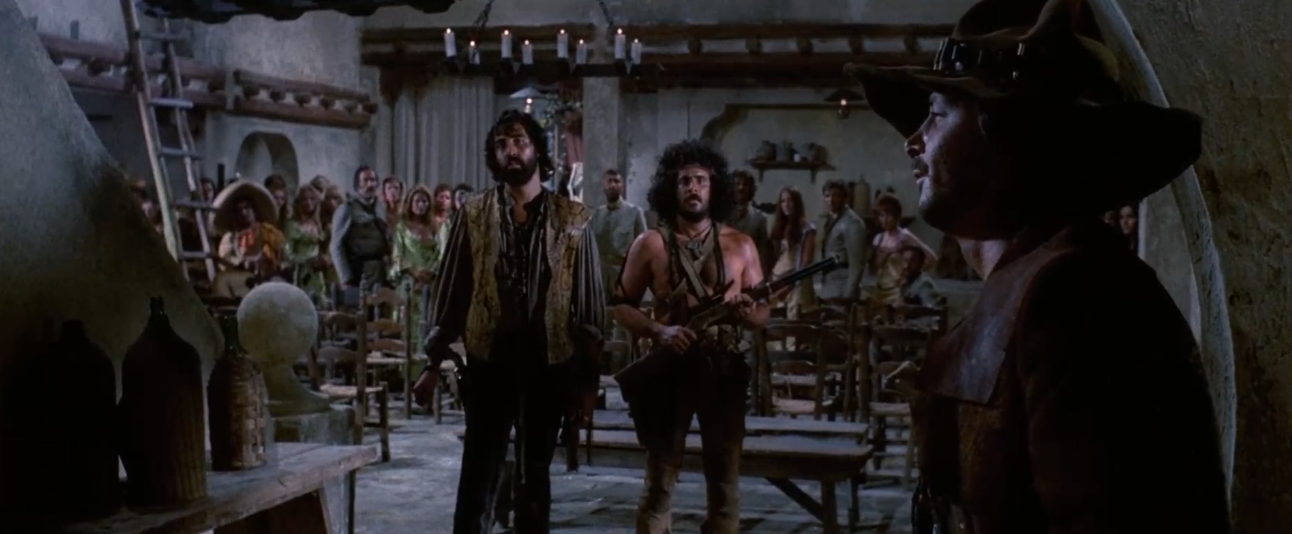
Review: Anthony — best known for The Stranger Spaghetti-western-series (which I haven’t seen) — wore intensely painful contact lenses (he wouldn’t do a sequel) to embody a blind man on a last-chance mission to secure a comfortable life through a hefty pay-out. The entire story consists of a cat-and-mouse attempts to transport objectified beauties from one set of aggressive, dirty men to another, with plenty of exploitation scenes thrown in — just, because. As DVD Savant, a fan of this film, puts it:
Personally, I grew tired of explosions and violence long before this film’s (restored) 105 minutes were over — but at least the cinematography and sets are appealing. Notable Performances, Qualities, \and Moments: Must See? Links: |